Note: This website was automatically translated, so some terms or nuances may not be completely accurate.
 The Changing Nature of How "Topics" Emerge and Are Created [1/2]
The Changing Nature of How "Topics" Emerge and Are Created

Hideki Watanabe
Twitter Japan Inc.
Shigeru Ishida
Dentsu Inc.
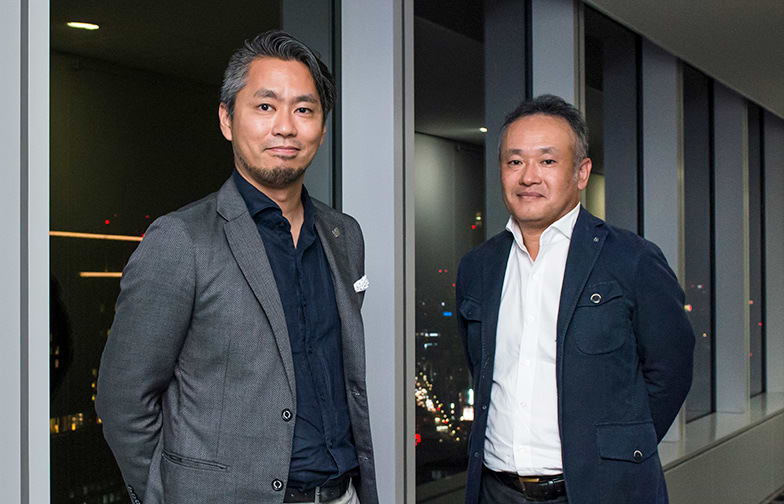
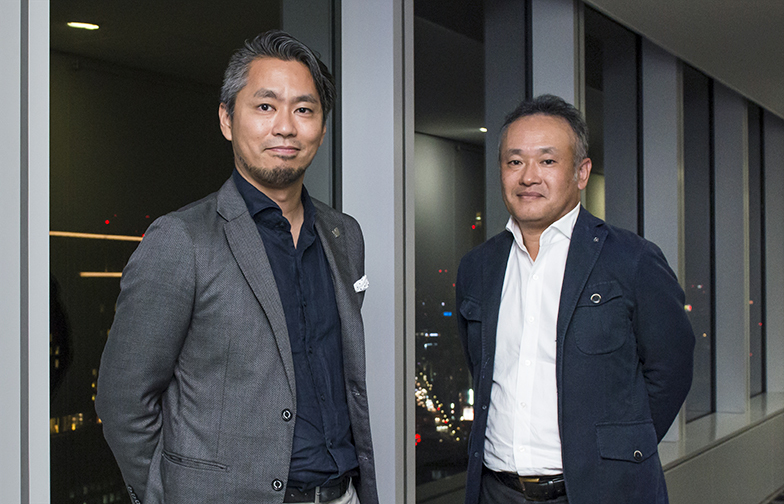
In today's SNS-dominated world, topics emerge and vanish in an instant. How are these topics created, and how do they relate to marketing? Hideki Watanabe of Twitter Japan and Shigeru Ishida of Dentsu Inc.'s iPR Bureau examine modern topic formation through case studies.
Today's topics are created from the bottom up
Ishida: I believe the goal of PR is to build consensus in society. Becoming a topic of conversation is a crucial element in triggering that. However, the way topics are created has changed in the SNS era. That's why I want to think about how topics are formed today. Clients often request that their topics be discussed on Twitter, right?
Watanabe: That's the most anticipated part. Twitter's defining feature is how its trending topics change every few minutes. Seeing that shows you the trends of the moment. Appearing there has a significant impact for companies.
Ishida: Any recent examples?
Watanabe: Take the movie "Back to the Future." October 21, 2015, was the future date the protagonists reached in the DeLorean time machine in Part 2. When that day actually arrived, it generated significant buzz. To coincide, the movie's box set DVD was released, and Nike announced it would launch "THE 2015 NIKE MAG" in spring 2016 – the "self-lacing sneakers" worn by Marty (Michael J. Fox) in the film. I think these cases of companies riding the wave of societal moments represent a recent trend.
Ishida: The way topics are created has changed completely from the past. Even mass media often ends up chasing topics that became popular on social media – the reverse scenario. The flow and patterns of information have become more complex, haven't they?
Watanabe: The trend in recent years is that topics are created bottom-up, not top-down.
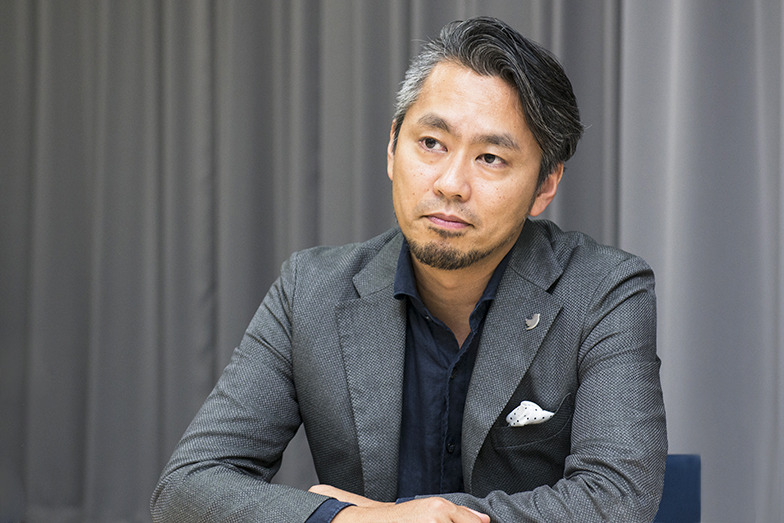
When a controversial debate arises, people shift to attitude and behavioral change.
Ishida: When news spreads and forms a topic, it naturally impacts marketing. How does Twitter approach this?
Watanabe: We analyze this internally too, and we think it's better to separate awareness from attitude and behavioral change. When companies or creators spread content via SNS, that's purely about awareness. What influences attitude and behavioral change beyond that happens when there's controversy. When debates like "I like it" versus "I dislike it" arise, it leads to the action of "I'll check it out for myself."
Ishida: I see, that's exactly right. Even in mass media, coverage includes both positive and negative perspectives, but it carries a different weight than the duality seen on social media. However, given the nature of social media in Japan, opinions can sometimes skew extremely one way or the other, making it difficult to steer the conversation toward a balanced debate.
Watanabe: Our approach is to design the reason for tweeting and spark conversation. In corporate marketing terms, it's better to have both positive and negative reactions emerge. Of course, companies naturally prefer positive feedback, but we've entered an era where we need to go one step further.
Ishida: It's precisely because there are both positive and negative opinions that interest grows. The thing we want to avoid most is being ignored—that state of indifference. Even criticism stems from interest, and negative contexts can be converted into positive ones. However, the reality is that companies rarely adopt this kind of thinking.
Watanabe: Exactly. If it's all "That's nice," it won't even become a topic of conversation.
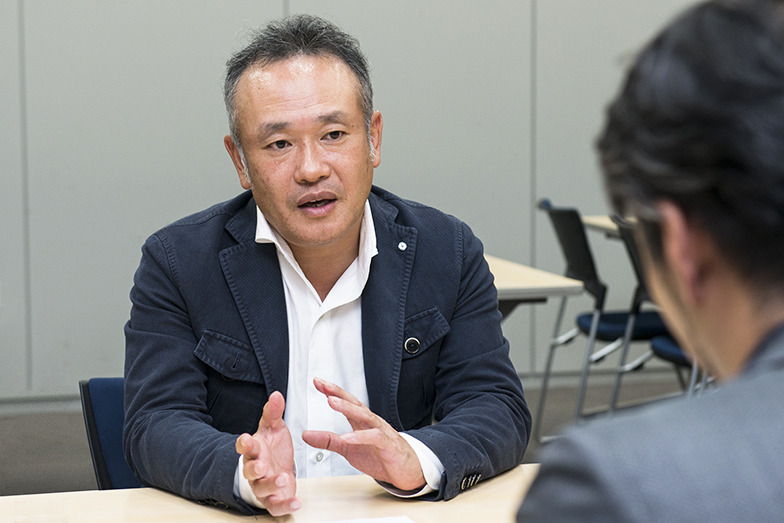
When a topic crosses the critical threshold, it can go mainstream in an instant.
Watanabe: How movements start has changed too. Take "Carp Girls"—it took a long time to develop. It started becoming mainstream around last year, but it appeared on Twitter about two years prior. It started with a manga depicting female Carp fans. Twitter has many manga fans. If someone started watching pro baseball because of this, they'd find, "Hey, there are handsome players!" (laughs) Beyond instant trends, these kinds of movements are slowly building.
Ishida: When we analyze this with our community analysis tool, we often find multiple related fan communities. But when interactions between fans cross a critical threshold due to some trigger, the buzz spreads beyond those communities and can go mainstream in an instant.
Watanabe: But it's difficult to orchestrate that, isn't it?
Ishida: Becoming a topic of interest among peers or society at large is extremely valuable in marketing. But in this era where mass media and social media reflect social trends, how topics form has changed significantly. It will continue evolving in the future. I believe our job—and a major role—is to keep chasing these topics.
Was this article helpful?
Share this article


Newsletter registration is here
We select and publish important news every day
For inquiries about this article
Author
Hideki Watanabe
Twitter Japan Inc.
Head of Brand Strategy
Shigeru Ishida
Dentsu Inc.
Executive Officer