Note: This website was automatically translated, so some terms or nuances may not be completely accurate.
 Looking Back at the Television Industry in 2017 [4/5]
After the search window commercial, maybe it's the smart speaker jack?
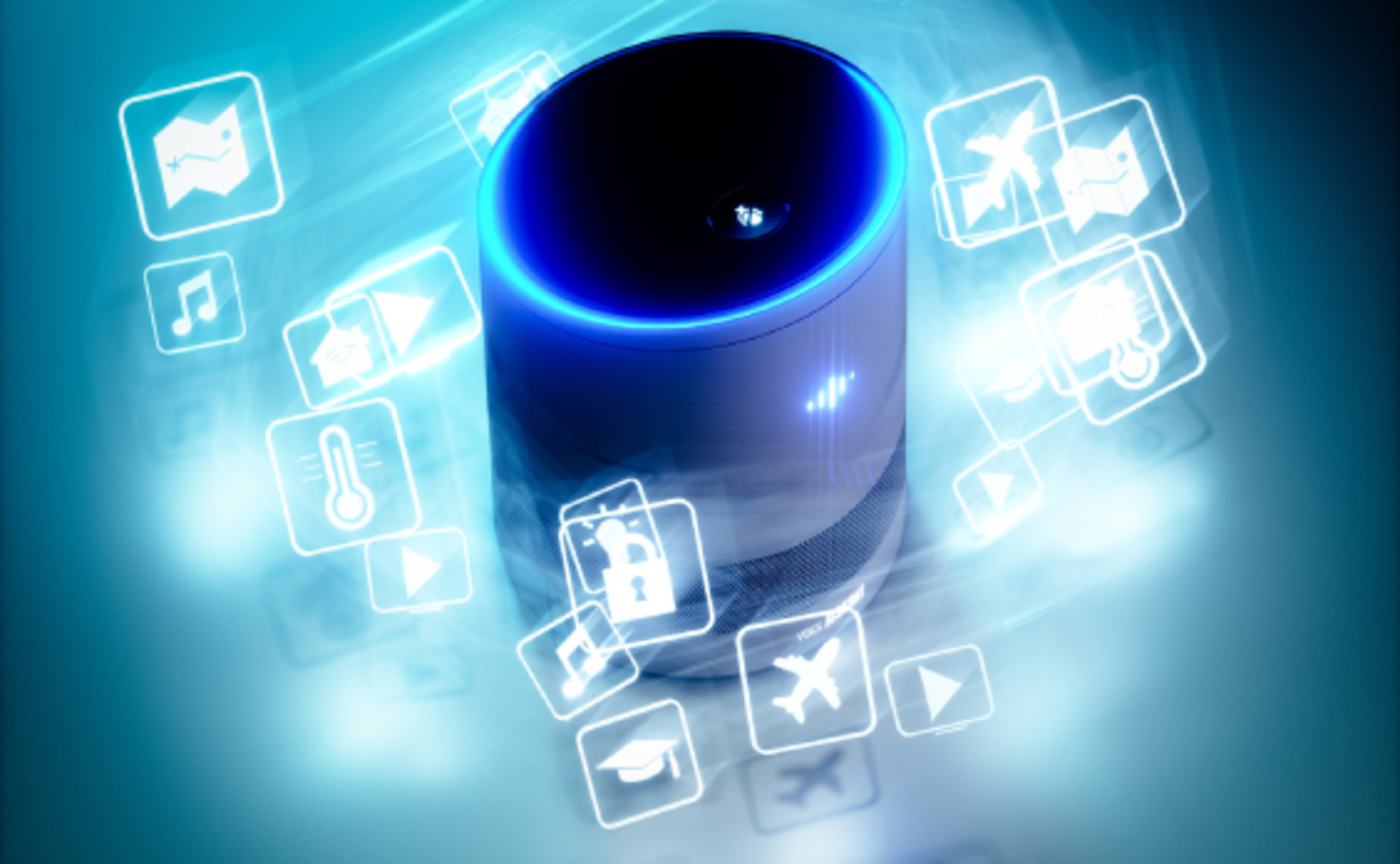
What impact will the arrival of "smart speakers" have on TV commercials?
In recent years, the sense of entirely new devices emerging has been lacking, with most innovations centered around performance improvements and feature expansions of existing products. However, 2017 finally brought us the "smart speaker" after a long wait. That said, while their release in Japan was concentrated in 2017, the "Google Home" launched in the US in November 2016, and the "Amazon Echo" hit the market a full year earlier.
Adding to these two companies (two models), LINE's "Clova WAVE" and Sony's Google Assistant-compatible products were announced, further fueling the buzz. Apple is also expected to enter the market in 2018 with the "HomePod," potentially reshaping the competitive landscape.
While voice assistants themselves aren't novel features, being standard on smartphones, reports from overseas highlight their diverse usage scenarios and low barrier to entry for users of all ages and genders. This makes them feel like a technology with the potential to significantly transform daily life.
In the US, incidents have already occurred where smart speakers responded to TV commercials, autonomously searching for and reading out information beyond what the ad conveyed, or where news scripts being read aloud led to accidental product orders. Smart speaker hijacking via commercials will surely be planned in Japan too.
How to Approach the Rise of "Smart Devices"
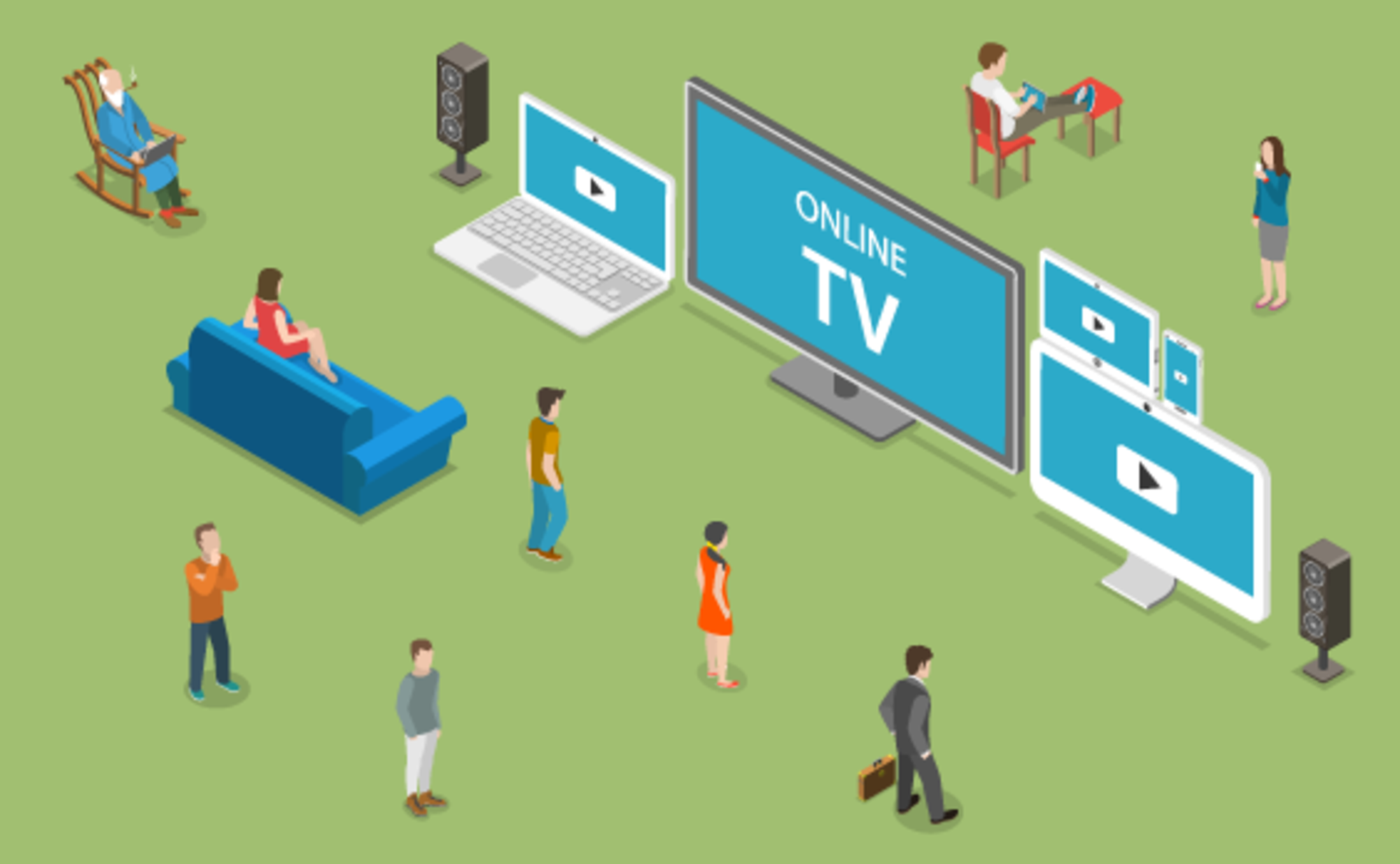
At the INTER BEE CONNECTED event held in November, a report was presented on a new research approach (Social Sequence Analysis) developed in collaboration with Dentsu Inc. Media Innovation Lab. It suggested that while a certain number of young people have always been light TV viewers, and television reliably captured this audience as they aged in an era with fewer alternatives, the primary media device experience is now potentially shifting to "smartphones."
If we assume that consumption habits for information and content change alongside shifts in the devices used—such as smartphones and smart speakers—then the role of "television" itself likely needs reevaluation.
This article is edited based on the VR Digest published by Video Research Ltd. in December 2017.
Was this article helpful?
Share this article


Newsletter registration is here
We select and publish important news every day
For inquiries about this article
Back Numbers
Author

Toshiyuki Ishimatsu
Video Research Ltd.
Solutions Division, Digital Promotion Division, and Television Business Division