
Note: This website was automatically translated, so some terms or nuances may not be completely accurate.
 The Present and Future of Design and Innovation by frog [23/49]
Designing Change
frog
This article presents content originally published in "Design Mind," a design journal operated by frog, under the supervision of Mr. Noriaki Okada of Dentsu Inc. Experience Design Division.

Change is often necessary. Yet, bringing about change is not easy. Whether it's a company, a community, or even a nation, for an organization to keep changing for the better, it needs to fully understand both the overall context and the individual factors involved. It also needs to know when and how to bring about that change.
In the fall of 2019, I delivered a keynote speech at Design for Better Society in Belgrade, Serbia. This event, hosted by Design Thinkers, a nonprofit organization bringing together designers worldwide, gathered global design leaders, educators, government agencies, and community leaders over two days for presentations, panel discussions, and breakout sessions. It served as a broad declaration of using design thinking to create value and transform the world for the better.
The theme of my talk was "Designing Change." Specifically, I explained how to understand an organization's core values and leverage them to drive change, as well as how to discern trends and shifts within the ecosystem surrounding the organization.
Indeed, effecting meaningful change requires careful navigation. Recent research indicates that while design leaders are finally reaching boardroom positions, boards that effectively engage these leaders remain rare. This trend underscores that organizational change alone is insufficient. We must design change that delivers meaningful, sustainable business success.
Every organization holds the potential to shift toward growth and significant impact at both local and global levels. Through Org Activation, frog helps companies make changes that matter to their employees and customers.
Through our Impact program, which focuses on social impact initiatives , we collaborate with corporate teams to identify actionable, scalable solutions that improve communities and society as a whole. However, such endeavors always require a willingness to initiate and embrace change. This necessitates understanding how individuals emotionally react to change and how to effectively manage it.
Mapping Opportunities for Change Management
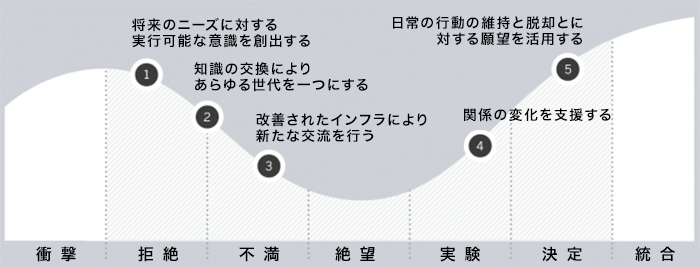
The Kübler-Ross Change Curve graphically represents emotional reactions to change. It begins with the initial shock experienced upon hearing new information, progressing through stages of denial, frustration, despair, experimentation, and acceptance, ultimately leading to a new sense of normalcy.
In this way, people integrate the new change into their existing world. This diagram not only helps organizations understand how to effectively manage change during adaptation but also identifies clear points for intervention to provide support and reduce burden during the change process.
In the customer example introduced next, the Kübler-Ross model was adopted to identify the emotional reactions of seniors experiencing change. At each stage, specific actions for direct intervention were identified to address the seniors' emotional needs.
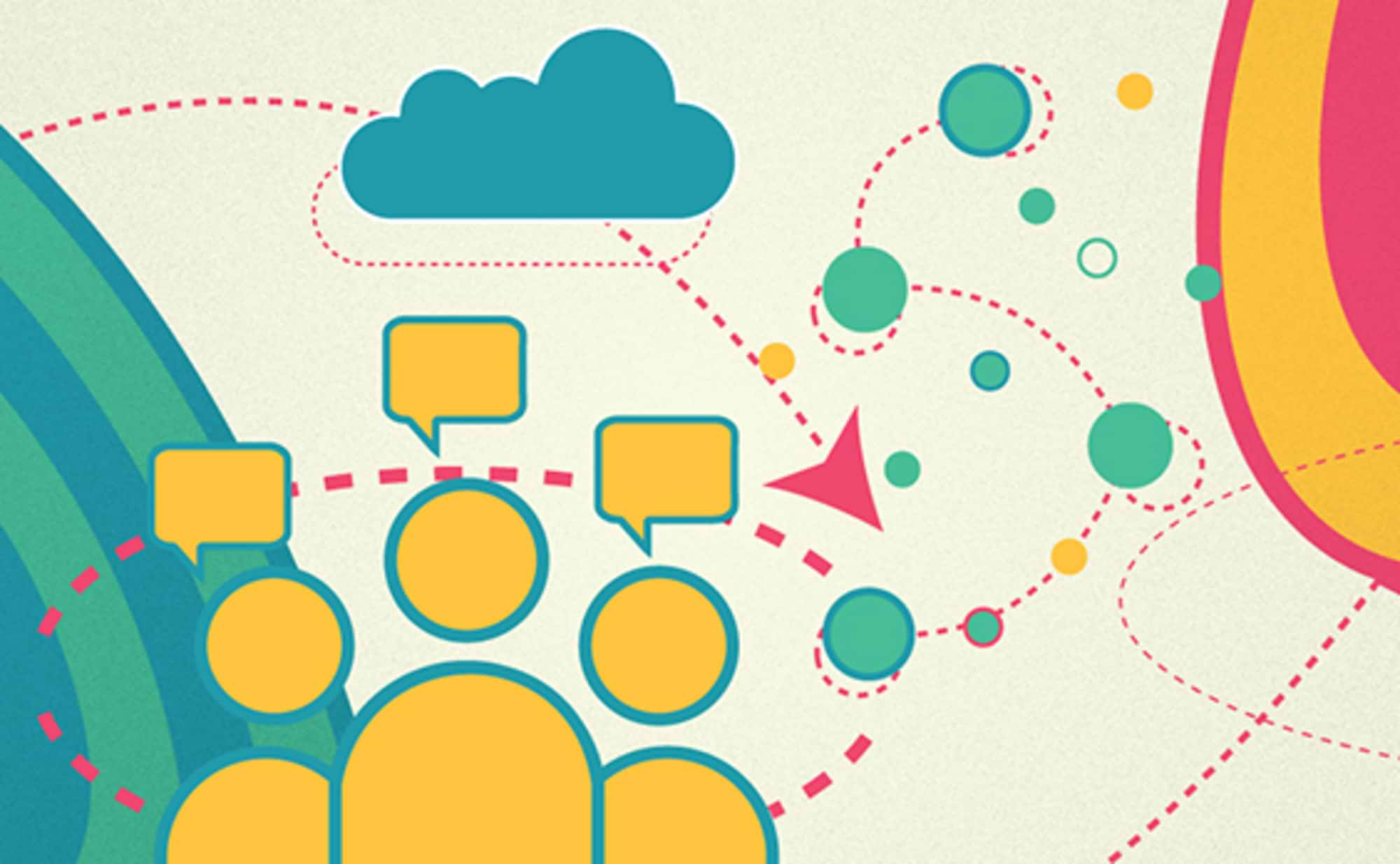
Within companies, employees are often at the center of change. The diagram below, from another client example, explores how a company can promote volunteer activities within its community. By examining what opportunities exist, what roles and partners are involved, and clearly outlining a unified approach, the path forward becomes clear. This presents a valuable opportunity for the organization to embrace real change that creates lasting impact.

How to Drive Sustained Change in Organizations
We've discussed the power of change and the emotional stages involved in managing it effectively. Now, let's outline actionable steps to drive lasting change within your organization.
① Establish a framework for understanding how to participate and take action.
One way we help organizations gain new opportunities to embrace change is through "Org Activation."
Additionally, the Collective Action Toolkit can be used as a series of activities and methods for solving problems as a group and driving change within selected communities.
② Understand the competency levels required for change.
Change cannot be designed overnight. Alongside understanding the emotional impact, implement capability development and the cultivation of existing competencies not as a one-time event within the organization, but as an ongoing process of evolving change.
③ Use systems thinking to drive change.
First, grasp the broader ecosystem the organization is part of, then focus on contributing factors. For businesses, this focus includes engaging customers. It's not just about launching new tools, processes, products, or services; it's about co-creating solutions with customers and generating new ways of thinking that lead to real change.
Was this article helpful?
Share this article


Newsletter registration is here
We select and publish important news every day
For inquiries about this article
Back Numbers
Author