
Note: This website was automatically translated, so some terms or nuances may not be completely accurate.
 The Present and Future of Design and Innovation by frog [26/49]
Virtual events as the "new normal"

frog
This article is brought to you with the supervision of Mr. Noriaki Okada of Dentsu Inc . B X Creative Center, featuring content originally published in "Design Mind," the design journal operated by frog.
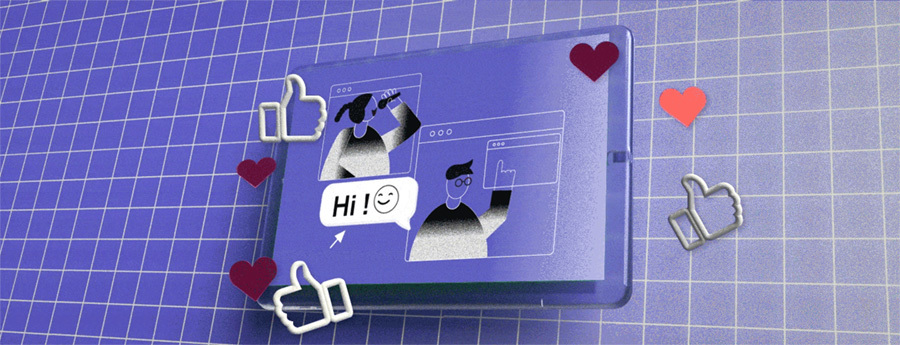
Five Tips for Designing Future Virtual Events
As social distancing becomes the new normal due to the COVID-19 pandemic, virtual events, webinars, and meetings have become indispensable for organizations as alternatives to in-person events and communication.
When the pandemic began in early 2020, the entire events and entertainment industry came to a halt, suffering significant economic damage. We in the design industry saw this major turning point as an opportunity to reexamine what makes an experience truly unique to in-person events. That's why we began reimagining the design of virtual events.
Our goal was to create an innovative online experience that captures every element of an in-person event. This includes virtual spaces where participants can share stimulating experiences and build networks, along with remote tools that encourage meaningful communication among attendees. In this process, we realized that by leveraging frog's skillsinremote technology, strategy, and customer experience, we could design and build unique virtual experiences that truly resonate with participants.
How Designers Can Make an Impact in Virtual Event Spaces
A major media company asked us to develop a virtual event strategy that would keep making an impact on participants.
Seeing this as an opportunity to demonstrate our design capabilities, we incorporated frog's "human-centered design" perspective. While the event would naturally be entirely remote, we didn't simply aim to replicate the "in-person" feel.
To develop a digital product easily integrated into common video streaming services and build a concept suited to its functionality, we deeply explored the client's event objectives. One of their primary goals was to minimize screen fatigue and maximize engagement within the virtual environment. This could involve leveraging AI chatbots, AR headsets, or virtual meeting stages.
The virtual event space already boasts outstanding examples of innovation. The online game "Fortnite" delivers a highly compelling virtual experience. Participants gather globally as avatars to enjoy a new type of musical journey with popular rapper Travis Scott. Within the game, Scott held a virtual concert where he premiered his latest album worldwide.
In professional sports, the NBA was quick to resume games virtually. Utilizing new technologies like Microsoft Teams' "Together Mode," they employed AI-powered screen splitting and merging to make spectators appear seated in virtual stands. Fans could participate by sending "digital cheers" and "applause" through the NBA smartphone app. These experimental approaches are elevating the quality of virtual experiences.
During the months of global lockdowns, frog helped multiple clients transition real-world events to virtual formats. Before the pandemic, this wasn't a core part of frog's business, but we were able to pivot quickly (as did many of frog's client partners). Our "human-centered design" approach became an invaluable tool for building memorable and meaningful virtual event experiences. Below are key insights gained from this experience for planning and executing virtual events.
5 Tips for Designing Virtual Experiences
1. Identify the Right Virtual Platform
Just because your company already has a go-to app for internal meetings doesn't mean it's suitable for external virtual events. Select a platform suitable for hosting your virtual event by considering the user base participating. Is there a virtual platform commonly used within the target industry or age group? Do users expect to passively receive information, or do they want to actively participate and interact with presenters and other attendees? Answering these questions will help you choose the optimal platform for both event organizers and participants.
2. Form a Dedicated Virtual Event Team
Planning virtual events requires different skills, tools, and expertise compared to in-person events. This means the team responsible for planning and running virtual events cannot be the same as for in-person events. The virtual event team must include not only content creators and event producers but also representatives from IT and technical departments. This ensures issues can be identified and resolved before (or even during) the event.
3. Approach event strategy planning with a design perspective
When planning a virtual event, it's crucial to clearly define the event's core value, content, and objectives early on. These elements influence every aspect of the planning, from the event platform down to each session and activity. Our experience shows that applying design principles and practices during the planning phase—including the use of collaboration software like the online whiteboard "Miro"—enhances the consistency, impact, and productivity of the event's strategy and framework.
4 Capturing Attendee Interest
We often hear the term "remote fatigue" these days. Fortunately, there are numerous tools available to boost engagement and create memorable, compelling virtual events.
For example, creating virtual "breakout rooms" alongside themed sessions allows participants to engage in personal conversations and interactions, fostering the same kind of natural encounters found at in-person events. On the other hand, designing experiential content like event-specific filters or collaborative online games effectively leverages the unique characteristics of the virtual space.
5. Anticipate the unexpected
Anyone who worked remotely during the COVID-19 pandemic knows how simple technical issues like poor internet connectivity can derail remote conversations. However, virtual event organizers must anticipate not only these common troubles but also unforeseen problems that could suddenly halt an event. Event planning teams should proactively identify potential issues and their solutions, ensuring a solid backup plan is in place to keep the event running smoothly.
2020 changed many things—our daily lives, our tools, and our outlook for the future. At frog, we too were forced to adapt to these shifting circumstances. Yet, thanks to the diverse skills and expertise of our experienced designers, we were able to create unique virtual experiences for this "new normal" where remote work became the standard. These are innovative, memorable experiences for users. If you're looking to host a virtual event that stands out, let frog help.
This article is also featured in the web magazine "AXIS".

Was this article helpful?
Share this article


Newsletter registration is here
We select and publish important news every day
For inquiries about this article
Back Numbers


Author