Note: This website was automatically translated, so some terms or nuances may not be completely accurate.
 ONE JAPAN in DENTSU "Quit, conform, or change." [8/14]
Hostile or Harmonious? A Junior Employee's Theory for Changing the Company
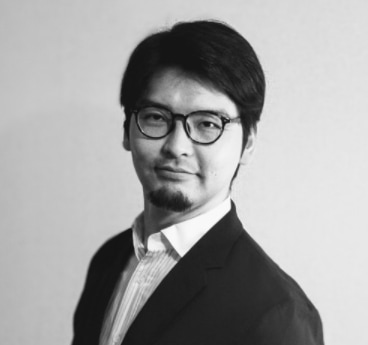
Suzuki Takahiro
Toyota Motor Corporation

Yusuke Doi
Toyota Motor Corporation
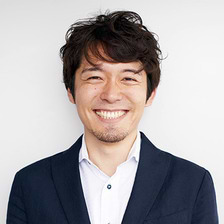
Masahide Yoshida
Dentsu Inc.
Titled "Quit, Conform, or Change," this series explores new "possibilities for large corporations" through dialogues on themes surrounding corporate transformation. We highlight cases where individuals from member companies of ONE JAPAN's volunteer groups have challenged corporate change, interviewing the key players to consider these possibilities.
ONE JAPAN is a practical community gathering corporate volunteer groups centered around young and mid-career employees from large corporations.
This time, we spoke with Takahiro Suzuki and Yusuke Doi (Representative of ONE JAPAN TOKAI), who oversee Toyota Motor Corporation's internal business contest, the "A-1 CONTEST." The interviewer is Masahide Yoshida, a member of Dentsu Inc.'s Youth Research Department and a ONE JAPAN affiliate.
They discuss the theme "The Future Image of Seniors and Juniors," exploring how individuals can thrive within large corporations and align their efforts with the direction of the company and society.
The "Wisdom of Pioneers" Elevating Extracurricular Activities to Company-Wide Projects
 Yoshida: Toyota is a global company representing Japan. While large organizations often face hurdles in initiating new ventures, Toyota has pioneered unprecedented systems and career paths, starting with the "A-1 CONTEST."
I've also undertaken numerous projects focused on "activating each individual employee" within client companies. I've experienced the difficulty of establishing oneself within a large corporation, so I'd like to hear your perspectives as hints for overcoming this challenge.
First, could you tell us what you've been doing at Toyota?
Suzuki: I joined in 2005 and am currently seconded to Woven Planet Holdings, where I belong to the Business Development & Strategy team. While I can't go into specific details, my work involves planning new ventures utilizing software and data. I handle platform planning, corporate strategy, and other areas. I also experienced working at Recruit as Toyota's first employee permitted to hold a side job.
Initially, I joined expecting a technical role, envisioning myself involved in design. However, my first assignment was the complete opposite—a factory posting—which left me disheartened. I planned to leave once I proved myself to my supervisor, but then I was transferred to the prestigious Body Design Department within the design division, where I worked on projects like the Prius design.
Doi: I joined in 2015, nine years after Suzuki. After working on projects like improving used car logistics, I'm now seconded to Uzabase's group company AlphaDrive, which owns NewsPicks, supporting new business development and internal incubation.
I agonized between joining a startup or consulting firm before choosing Toyota. Seeing friends struggle with placement gaps and leave, or others who couldn't fulfill their initial aspirations, I felt helpless. That's when I met Suzuki.
Yoshida: How did the "A-1 CONTEST" begin?
Doi: The origin is simply wanting to make Toyota much, much more interesting. When I first joined, I saw people who entered with passionate aspirations leaving before achieving their goals. I felt, "Everyone is so talented, but maybe they can't do what they want because they can't find the right colleagues." So initially, as an after-hours activity, I thought of a project where people could find like-minded colleagues and push forward with what they wanted to do.
The project name "A-1" comes from a quote by founder Kiichiro Toyoda: "Without fools, nothing new would ever be born." It's a nod to that "fool."
Suzuki: The activity resembles a typical internal business contest. Teams develop business plans over about three months. The business domain doesn't necessarily have to be automotive, but we made it a rule that plans must be developed as a team, not just by individuals. Another distinctive feature is that we involve "interesting older guys" from within the company as mentors.
Yoshida: That's unique. With a company as large as Toyota, you'd expect a deep pool of talent. What kind of mentors have you had?
Suzuki: We had a top-notch engineer mentor us who'd been saying since the 90s that he wanted to build a lunar rover. He works incredibly hard, but he's also the epitome of someone who knows how to effectively "play" within the company. Others included executive-level staff and the Prius development lead. While not a mentor, we also received support from someone who later served as a director and advisor and is now called the "God of the Toyota Production System."
Doi: Perhaps influenced by that, even though we started with just three secretariat members, more and more people joined. Participants now reach about 100 people and 20 teams annually, and more and more passionate employees are emerging. We've seen cases where people transfer departments and turn projects they launched at A-1 into their actual work, or where projects get recognized as official new initiatives within the company. It might be precisely because the mentors imparted the know-how for navigating the company.
The secret to not making enemies internally is "the ability to be approached"
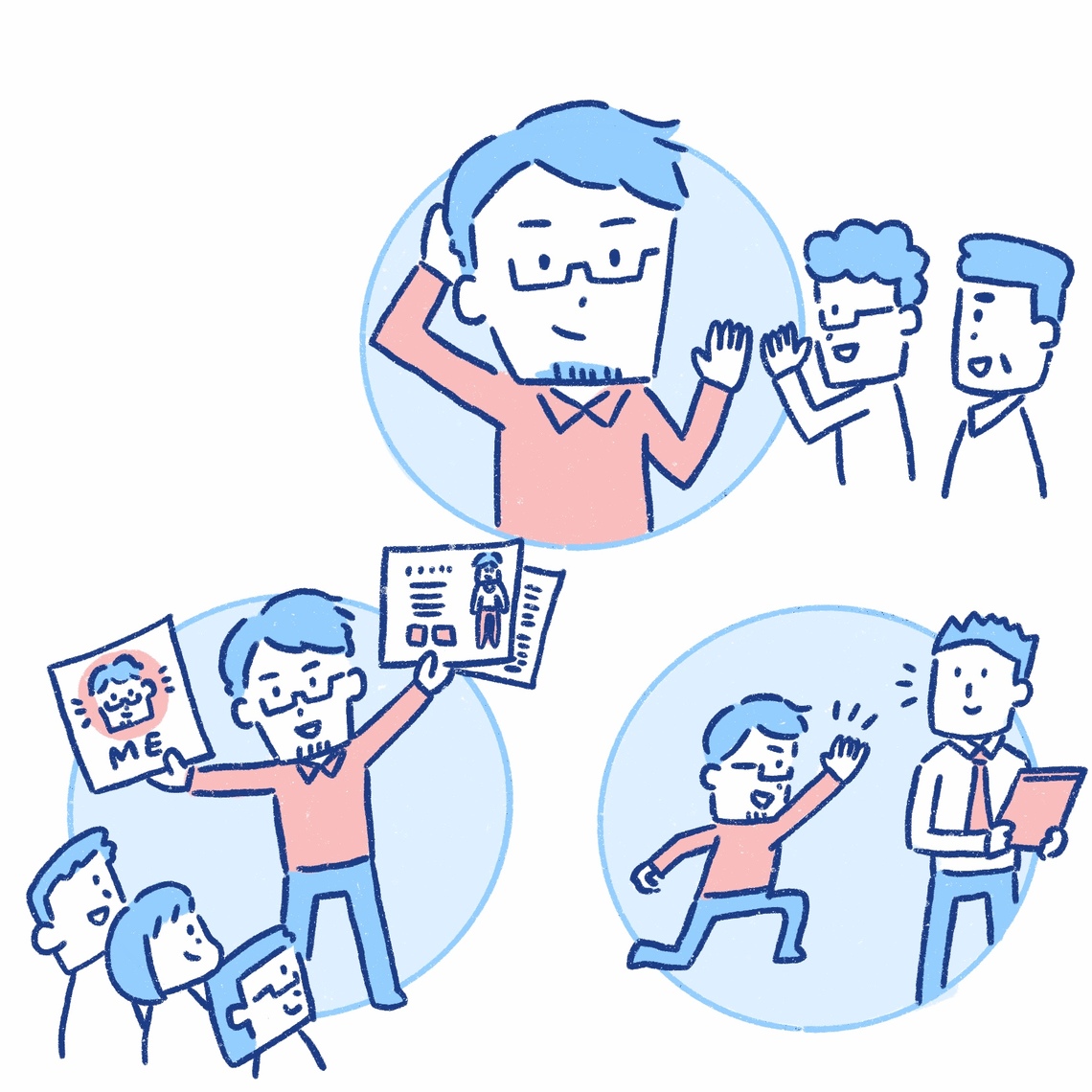
Yoshida: I think the mentors have wonderful personalities, but on the other hand, if you ask them the wrong way, they might get upset, or there might be cases where the older guys don't get along well. Is there a secret to successfully involving such people in an activity centered around those in their 20s and 30s?
Doi: From an outsider's perspective, Suzuki's "ability to be liked" seems significant. His approachable communication style, combined with his tall stature making him noticeable, means people often stop him on the street asking, "What are you working on now?"
Suzuki: What I consciously focus on is "enjoying the big company." If I meet someone in a meeting or notice a coworker nearby who seems interesting, I just make sure to talk to them. It sounds simple, but surprisingly few people do it, so it probably leaves an impression.
The key is having the agility to approach people. I dig deeper into interesting stories, ask for advice, and interact with them like a boss who thinks outside the box. Another thing is having the ability to be approached—meaning I make sure to share early on what department I'm in and what I do. That sometimes puts me in a position where others come to me for advice.
Doi: It's about balancing the "please teach me" stance with conveying who you are. Watching Suzuki's approach, I consciously aim to be seen as "a weirdo, but someone you can actually talk to."
Suzuki: Some people probably found it "too familiar" and disliked it. But those relationships wouldn't last anyway, and in an organization of tens of thousands, we'd forget about each other in a good way. Actually, there were people who didn't get along well at first, but before I knew it, they'd become good mentors.
Yoshida: Among senior employees, some probably advise, "Be careful how you interact with others," based on their own experiences, thinking it's for the best. Like, follow the rules to avoid getting scolded and have a smooth salaryman life. Some people feel this advice is forced and develop a negative image about interacting with older generations. But I feel Suzuki-san is different from others because he stands on the principle that "colleagues aren't enemies, whether they're older or younger."
Another point is how he actively expresses himself, going against the common "common sense" of "don't bring personal feelings into work." I imagine some people find this surprising.
Doi: It's true that at Toyota, maintaining consistent quality is often paramount, so putting your feelings front and center isn't always ideal. But I also believe emotional elements are essential at the starting point. Maybe that's just normal in a startup.
Yoshida: It's crucial to embrace values that might otherwise be dismissed as "old-fashioned" and integrate them with our generation's values. Those under five years in, who are currently struggling, will find the road ahead tough if they see the older generation as the enemy.
Doi: I actually like the image of the "traditional salaryman." I take pride in being able to discuss Kaizen more than the average Toyota employee, and I treasure books so much I've read them dozens of times.
The "old-timer" label that obscures the essence
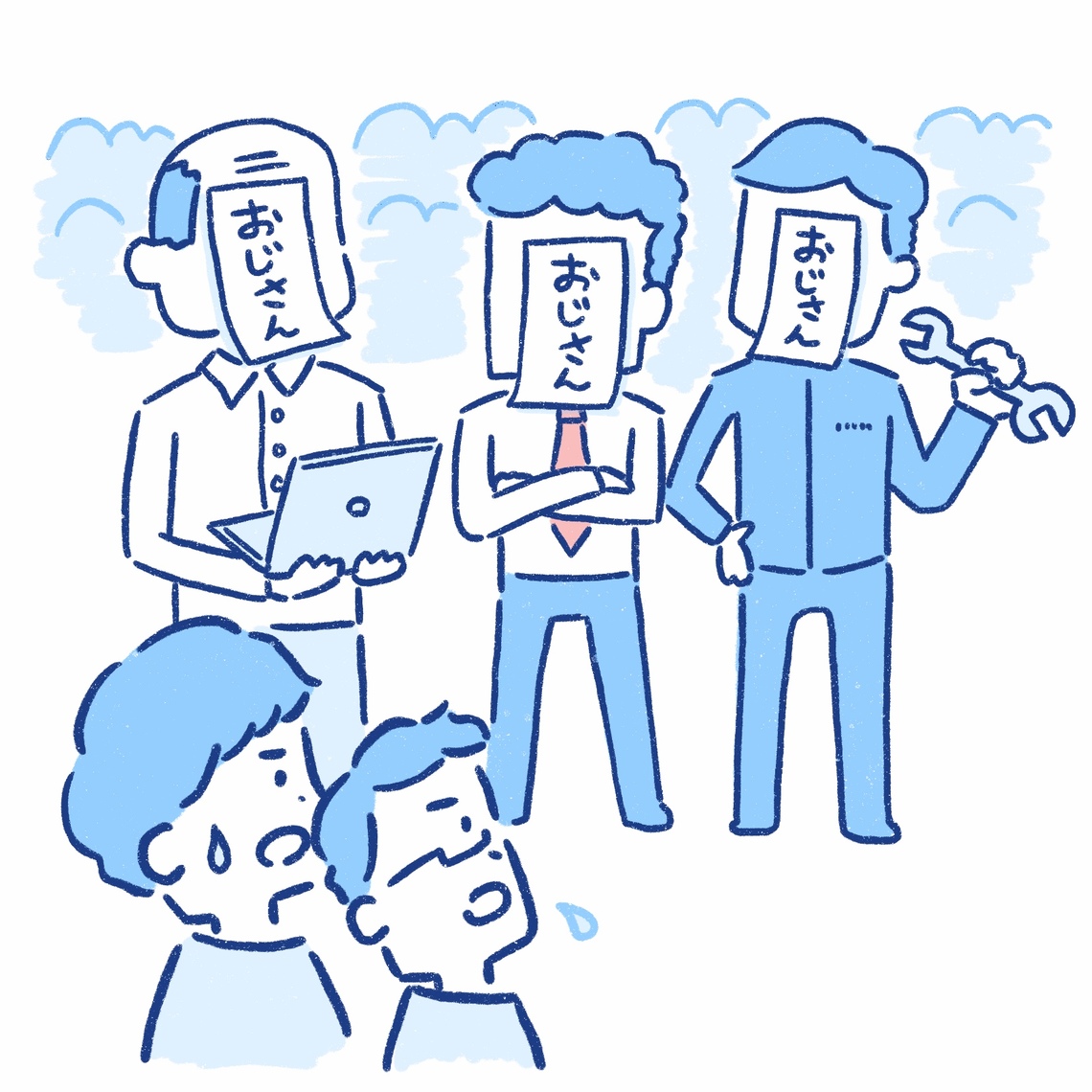
Yoshida: At Dentsu Inc., for instance, starting something new often requires advertising revenue to be viable. Or if a new business team acts all high and mighty, saying "We're doing something new here," they risk alienating the company's majority. Another tactic when launching something new is creating a bogeyman, like "Take down the old guys." But I think that approach has a dark side. Suzuki-san, Doi-san, how do you navigate these pitfalls when driving innovation within your companies?
Doi: Actually, within the A-1 CONTEST office, I deliberately act in ways that create a virtual enemy. However, this is intentional; fundamentally, I respect senior employees. This is because the seniors in the improvement department where I was first assigned had been working in the factory since joining the company, and I learned so much from them.
Suzuki: At Toyota, the shop floor is right when it comes to manufacturing. If you understand that, the older guys won't become enemies. Rather, it's better to work together with them toward a common enemy (challenge).
Yoshida: It depends on the assignment, but having that experience of respecting seniors early in your career might be key. It's probably just common sense – trying to understand them as individuals, not drawing lines between "older guys" and "youngsters."
Doi: After launching the A-1 CONTEST, I was given the position of "Special Mission Officer attached to an executive" by the company. I knew nothing about how to navigate the company or internal politics, but I was helped by a senior colleague, then 51 years old, who was my partner in this special mission. I had my own goals and knew things outside the company. But when it came to getting proposals approved by senior management, I tended to come across as confrontational. That partner skillfully translated my ideas into the company's internal context, and through the interaction of multiple people, things worked out well. I think it's an example of how things can work well even across generations.
Suzuki: Actually, that partner is said to have struggled in his youth, just like Doi, because he had things he wanted to do. That's precisely why the synergy worked.
Yoshida: Employees like that can sometimes get labeled as "oddballs" even by their own generation. But really, they share the same desire as many others to improve the company. It's just that their approach is different. I think it's precisely because he gained understanding of both sides as he gained seniority that he became like a buffer between Doi and the company.
Was this article helpful?
Share this article


Newsletter registration is here
We select and publish important news every day
For inquiries about this article
Back Numbers
Author
Suzuki Takahiro
Toyota Motor Corporation
Yusuke Doi
Toyota Motor Corporation
Masahide Yoshida
Dentsu Inc.
Dentsu Inc. Business Design Square
Concept Designer