Note: This website was automatically translated, so some terms or nuances may not be completely accurate.
 Beyond Conference Report [2/4]
Six Months After the Noto Peninsula Earthquake: What is the "Relational Population" Supporting Regional Recovery? ~The Future of Grassroots Recovery Support Networks~
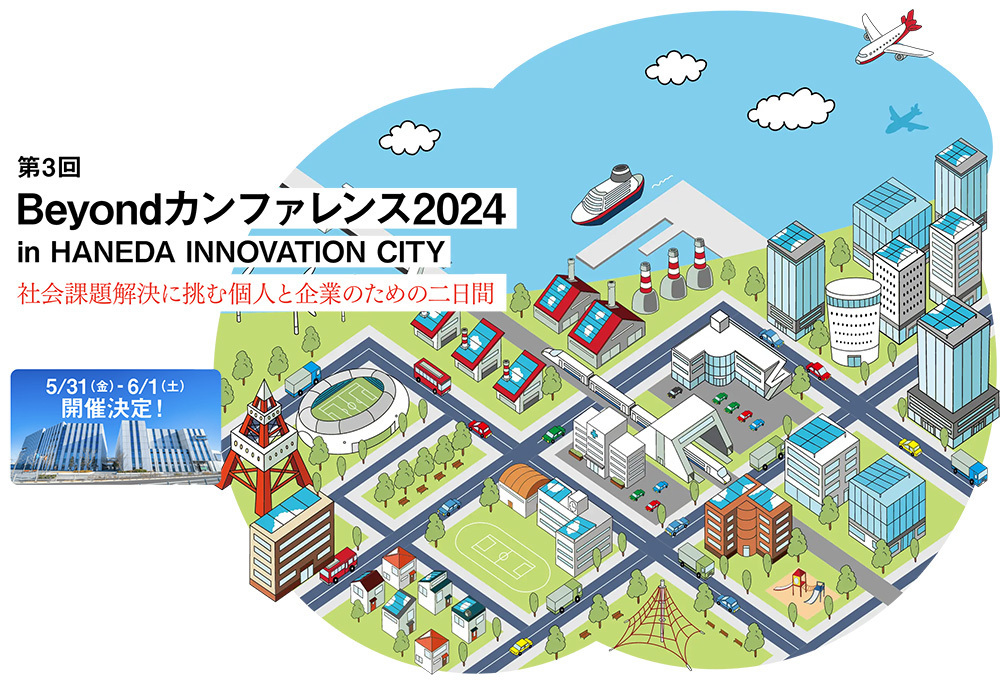
The " Beyond Conference 2024," promoting networking between individuals and companies tackling social issues, was held on May 31 and June 1. Organized by the virtual organization "and Beyond Company" (hereafter aBC), with NPO ETIC. serving as the secretariat and participation from over a dozen companies including Rohto and Seino Holdings, the event took place at Haneda Innovation City. This marked the third iteration, following previous conferences at Kenchoji Temple in Kamakura in 2022 and the Kyoto Satoyama SDGs Lab "Kotosu" in 2023.
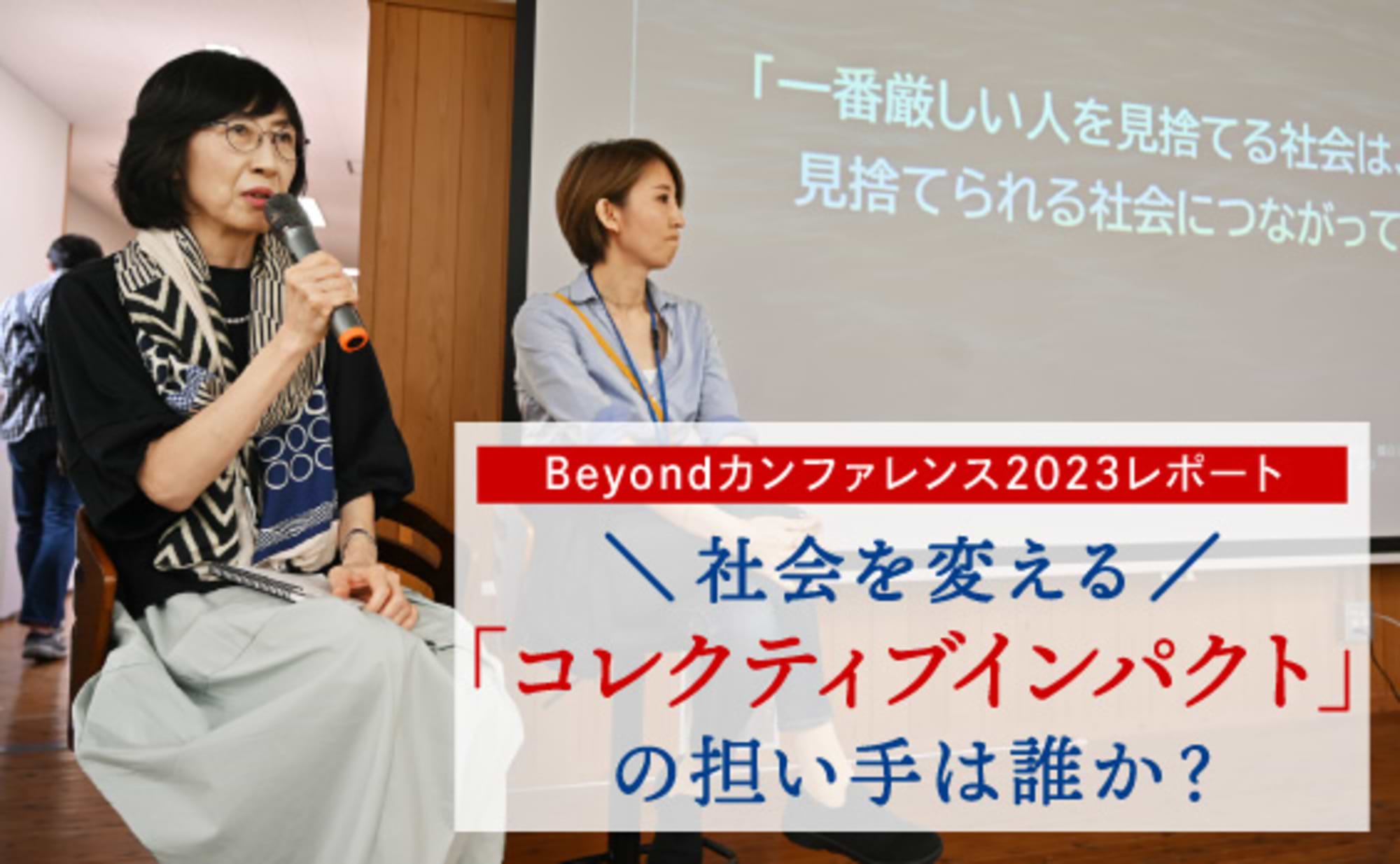
The 2023 conference report previously published in Web Dentsu Inc. introduced examples of 'Collective Impact'—where entities at different layers, such as companies, NPOs, or individuals—each leveraging their strengths while dividing roles to tackle social issues. This time, however, the sessions strongly conveyed the momentum and execution power of more grassroots movements: individuals consciously launching activities to solve existing social issues, and people with similar convictions gathering to collaborate.
Therefore, this time, we will focus on the frequently used keyword " related population " to describe the people supporting these activities, explaining its meaning and effectiveness.
For example, the Noto Peninsula earthquake that struck at the beginning of the year still faces challenges in achieving creative reconstruction focused on the future, even now, six months later. Furthermore, while national support measures have been announced, coordination with the affected regions has not always been smooth. However, as we approach the height of summer and face a historic heatwave, the lives of local residents sheltering in temporary housing are exposed to even greater anxiety.
Amidst this, grassroots connections are emerging—efforts to identify and solve the region's current challenges from diverse perspectives and layers. Supporting these is not a large organization, but a new type of network: groups formed by individuals voluntarily connecting and contributing their respective expertise. These are the people calling themselves the " Noto's Related Population."
<Table of Contents>
▼Do you know about "related population"?
▼The meaning of related population, now featured by the Ministry of Internal Affairs and Communications
▼Related population active in Noto's recovery: What is their role?
▼Leading activities as related population while belonging to a company
▼The concept of "living with a sense of belonging to two bases, even without a physical base"
▼Summary: The essence of networking at the Beyond Conference
Have you heard of "relationship population"?
"Relational Population" refers to people who engage with a region and its people in diverse ways—neither as "resident population" who have relocated, nor as "visitor population" who come for tourism. Originally, this concept involved establishing dual bases in urban and rural areas, moving between them to broaden work and life horizons. This lifestyle—committing more deeply to regions of interest, not limited to one's hometown—has been advocated for some time. However, with remote work becoming commonplace due to the pandemic, this style has gained greater flexibility, and more people are now practicing it.
While few have yet established a fully structured dual-residence lifestyle with regular commutes between locations, more people are exploring options. They might start by integrating part-time or side jobs with their regional base, volunteering to help organize local festivals or events, or simply maintaining a fan-like connection to deepen their relationship with the area while searching for potential second-home locations.
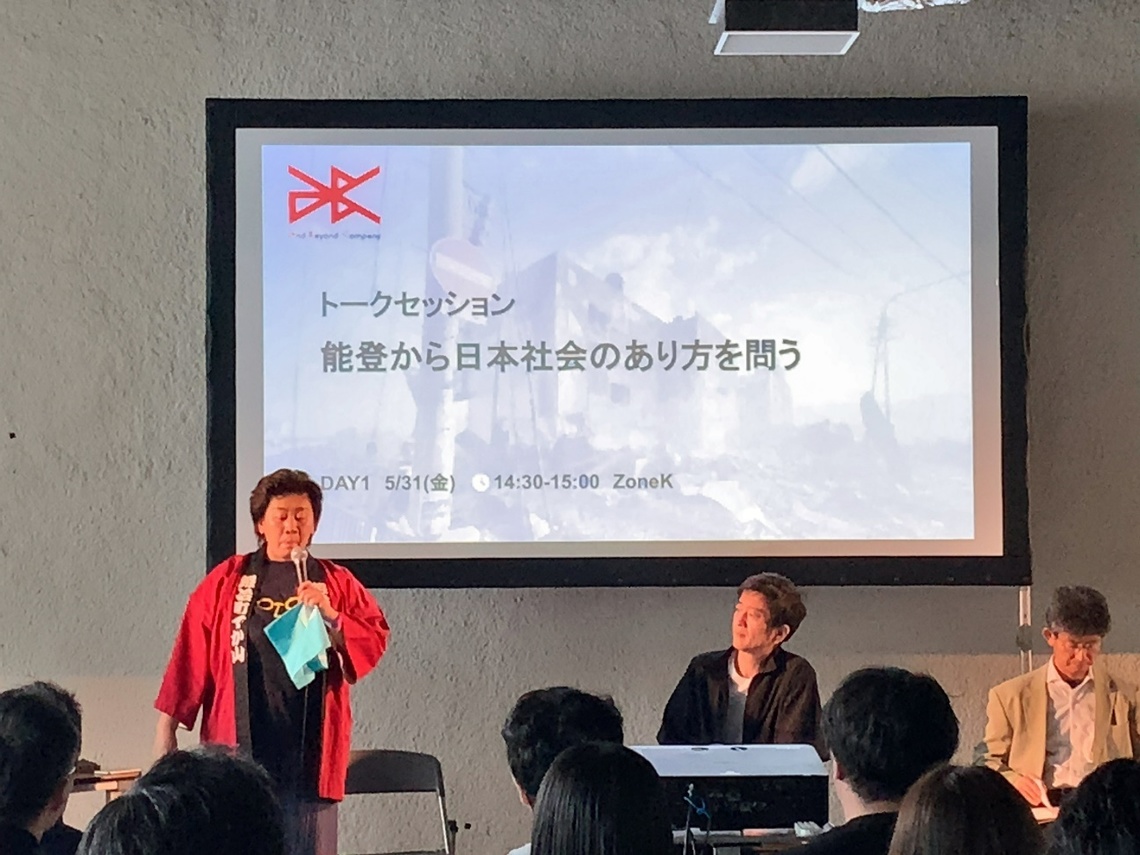
The Ministry of Internal Affairs and Communications has also begun highlighting the meaning of "related population."
In fact, the government, led by the Ministry of Land, Infrastructure, Transport and Tourism (MLIT), passed the first related law promoting dual-region living in connection with this "related population" concept on May 15th of this year. It aims to facilitate collaboration between prefectures and municipalities in advancing plans for key dual-region living areas and infrastructure development. It also seeks to clarify the types of people regions need, helping prevent mismatches with prospective residents.
Mr. Yoshiyuki Miyoshi (Director of the Wide-Area Regional Policy Division) from the Ministry of Land, Infrastructure, Transport and Tourism also participated in this event, raising expectations for alleviating Tokyo's overconcentration and preventing depopulation in regional cities through the promotion of dual-region living. Furthermore, the urgent enactment of this bill was reportedly driven in part by the intention to spread awareness and promote the concept of dual-region living from the perspective of securing evacuation destinations during disaster emergencies, such as the Noto Peninsula earthquake.
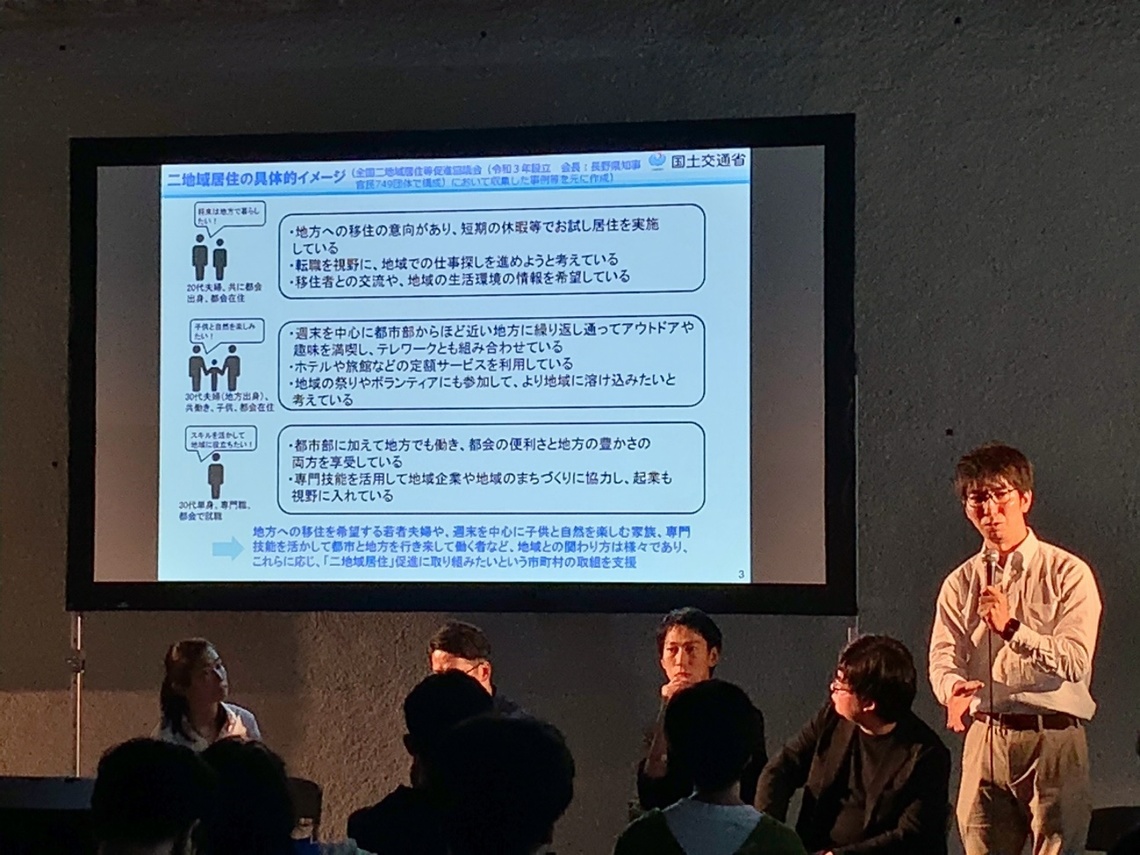
What is the role of the connected population active in Noto's recovery?
Returning to the reconstruction efforts following the Noto Peninsula Earthquake mentioned earlier, six months after the disaster, various media outlets reported on the slow progress of recovery and the underlying issues contributing to it. For example, it was pointed out that the geographical conditions of the peninsula hindered the progress of publicly funded demolition of collapsed houses, or that there was a lack of manpower in formulating the reconstruction plan. However, based on the reports, it remains unclear why the administration has been unable to advance these efforts to such an extent. Furthermore, residents continue to express dissatisfaction with the townscape, which remains unchanged since the time of the disaster.
If established rules are hindering recovery support, they should be amended, but this too remains unclear. Regarding manpower, while volunteer participants numbered nearly 40,000 in the prefecture's recruitment program and over 80,000 in municipalities' independent programs by late June—totaling 120,000—reports indicate only about 1% are actually active on-site.
Some point out that this bottleneck stems from the administration attempting to centrally manage these volunteers. Consequently, the focus is shifting to numerous volunteer activities by individual citizens. These individuals, often referred to as Noto's "related population," maintain ongoing connections with the area. They identify current challenges and provide organic, tailored support.
Hiroyuki Takahashi, CEO of Amekaze Taiyo Co., Ltd., who also joined the Ishikawa Prefecture Noto Peninsula Earthquake Recovery and Reconstruction Advisory Board this March, has continued his mission of "mixing up rural and urban areas" since the Great East Japan Earthquake.
" Regarding the recovery from this Noto Peninsula Earthquake, voices advocating for residents to relocate elsewhere rather than rebuilding locally are emerging from a rationalization perspective. The recovery process in Noto will determine the direction of regional revitalization in Japan going forward.
Only self-governance can counter these voices. While residents' autonomy is currently lacking, this is also the moment to reclaim it, rather than leaving everything to the administration. Infrastructure recovery shouldn't be limited to water and sewage systems; unique local initiatives, such as harnessing natural forces, are also viable.
Will society henceforth measure prosperity solely by cost-performance and time-performance? Or will we embrace this as a valuable opportunity for the fusion of seemingly opposing elements—urban and rural, settlements and city centers? In any case, we must face this challenge head-on, not flee from it," he stated.
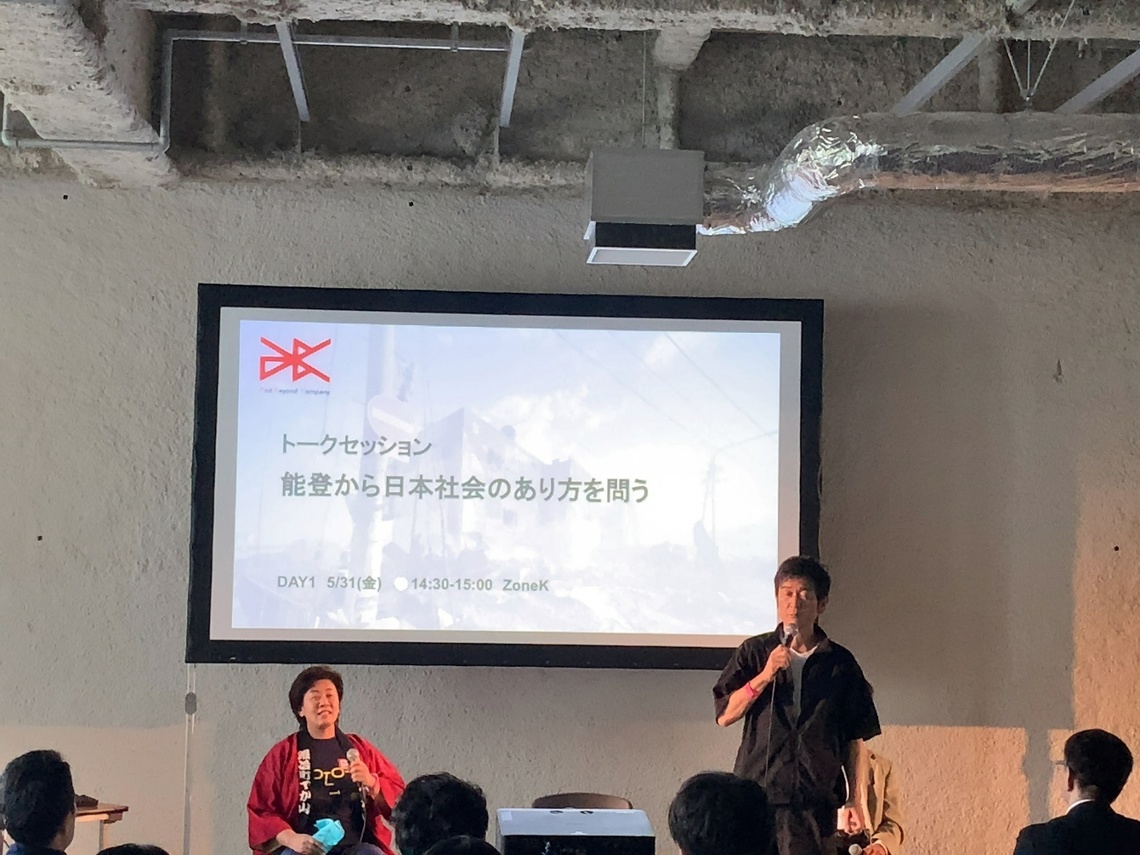
Noto was already one of the regions most severely affected by depopulation and aging. The recent earthquake will inevitably accelerate this trend. This makes it a crucial test case for how effectively we can involve external forces, such as the 'related population,' to drive recovery.
Leading activities as a connected population while belonging to a corporation
Meanwhile, some companies are placing this "related population" at the core of their business and actively driving initiatives themselves. One such company is Japan Airlines. Its Japan Vitalization Platform (JVP), launched in 2021 with Takahashi of Amekaze Taiyo and JAL as founding members, operates under the mission: "Connecting cities and regions, creating new flows of people, and breathing vitality into Japan."
While JAL has long operated in the business of moving people, it recognizes that regional decline inevitably reduces passenger traffic and slows its core operations. Thus, it aims to "contribute to the economic expansion of the areas where people travel," actively working to increase this "related population." These efforts are now explicitly stated in JAL's "Rolling Plan 2024," designed to achieve its mid-term management plan through 2025.
As targets, JAL Group has quantified "the number of people connected to the region" and "the degree of engagement with the region," declaring a commitment to sustainably improve these metrics. By 2030, they aim to expand the "total volume of connections and relationships" by 1.5 times, demonstrating the seriousness of this initiative.
Mr. Ueiri of Japan Airlines, who currently serves as the secretariat for this consortium, initially joined the network as a volunteer. He explored what should be done to increase the connected population and what this population could offer to local communities. JVP aims to create 20 million connected people by 2050. It has set goals to share knowledge for solving various challenges that will arise during this process and to propose policies for institutional reforms, such as those concerning taxation and residency registration.
As an individual, he stated that he regularly discusses with members what he can do personally and how to engage companies, drawing on the knowledge and skills he has accumulated at Japan Airlines. He also noted that the current membership is diverse, expanding beyond corporate professionals to include entrepreneurs, NPO staff, young bureaucrats, and students.

" This consortium has already been in operation for four years since its launch. What began with just a few founding members has now grown to over 200. From our regular discussions, separate teams have continuously spun off to tackle specific challenges. As each team grows its members, they work diligently to solve their respective agendas, " explains Mr. Ueiri. It operates like an amoeba-like growth model, where autonomous members consider overall efficiency and connect people and groups. Each group functions much like a Teal organization, where everyone works with a spirit of altruism.
While maintaining an overview of the team, he personally dedicates himself to Noto's recovery. Every weekend, he travels to Noto, gathers feedback from the field, and discusses solutions. " My desire to engage with Noto came from within," Ueirasa states. "Though physically demanding, receiving gratitude from local residents makes me feel I'm contributing as part of the community. It actually energizes me. "
The concept of "living with a sense of belonging to two bases without establishing a physical base"
While the physical challenge of finding his own second base remains, he suggests that even just maintaining a mental connection can bring richness to the heart. Growing fond of a region's culture and people, building and deepening relationships, however small, can also become an opportunity to reconnect with one's own interests.
Ueirasa added, " I believe becoming part of the 'related population' is also about creating a world where you can live authentically. And people who resonate with that world will naturally gather. " He expressed his desire to focus support activities on igniting the passion of participating members.
Furthermore, it's nothing but welcome that these intentions are growing not only among urban residents aiming for dual-region living but also among local residents themselves. While we often heard of past instances where insufficient understanding of local cultures led to conflicts even in daily interactions, recent efforts seem to be paying off. People now make prior considerations, learn knowledge to blend into the local community, and gradually deepen their relationships starting from partial connections like participating in festival operations.
Furthermore, the introduction of an external perspective brings not only the values recognized by local residents but also various new discoveries. What may be commonplace in their own region is often fresh and intriguing to visitors from elsewhere. In this sense, the relationship population considering dual-region living will likely become a major catalyst for re-evaluating the region's value by leveraging this external viewpoint.
Summary: The Essence of Networking at Beyond Conferences (The Mindset to Take Action Immediately)
Finally, I'd like to touch on the attributes of Beyond Conference participants. This conference operates under a unique rule: passive participation—merely "listening and learning"—is virtually nonexistent. Attendees are expected to actively engage in " dialogue and subsequent action" with fellow participants, and even speakers.
Actually, "requires" might not be the right word; it's more accurate to say everyone comes wanting this. At the start of each session, multiple speakers pass the mic around. They share the problems they perceive from their respective perspectives regarding a major challenge, along with their own ideas for solving it.
Sometimes up to eight people take the stage for a session. After each opinion is stated, attendees split into several groups. They exchange views on the presented problems and solutions, freely voicing their own ideas. Participants truly become stakeholders themselves, discussing what they can do to solve these social issues. They even set their own agenda for what they will actually do next. The defining characteristic is an attitude that believes in " taking immediate action." There's almost no sense of people passively listening to speakers, absorbing information, and waiting for some future opportunity to use that knowledge.
The Noto Peninsula Earthquake session followed the same pattern: speakers shared their experiences and current challenges in the first half, then participants were encouraged to debate among themselves. Highly active participants used these discussions to get to know each other, identify what they could contribute, and deepen talks about collaboration. Some even found another space after the session to immediately start considering what they could do starting tomorrow, bringing in more people.
Indeed, their momentum was such that they even occupied the staff lounge I used as a backstage supporter, turning it into their own discussion space. Much like the earlier JVP example, they continuously spun off from the main body, amplified ideas, and moved toward new actions. This action-oriented networking is arguably the true appeal of the Beyond Conference.
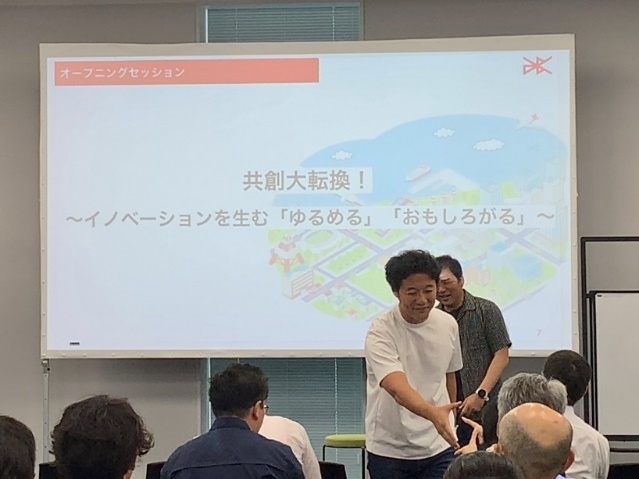
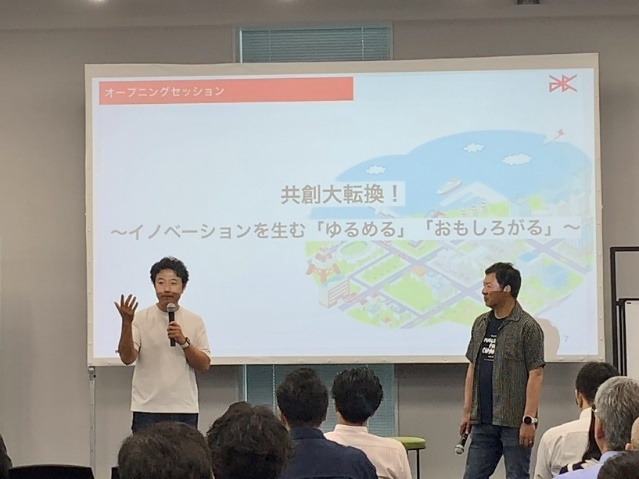
Even within the legal framework for dual-region residency, there are provisions promoting collaboration between NPOs and private companies that help connect regions with their related populations. This Beyond Conference was precisely such a networking space put into practice before the law was enacted, and and Beyond Company led the way.
It embodies an ideal model where individuals connect and pursue a greater purpose through their own will, without relying entirely on the state or government. We may increasingly see such initiatives, in turn, influencing governmental decision-making. This conference also reinforced the idea that "community revitalization led by the connected population," as mentioned earlier by Mr. Takahashi of Amekaze Taiyo, is not a distant ideal.

Was this article helpful?
Share this article


Newsletter registration is here
We select and publish important news every day
For inquiries about this article
Author
Inokuchi Tadashi
PR Consulting Dentsu Inc.
Executive Officer
Chief PR Planner
Shinmeikai "Strategic PR"Long time no see! CRAFTPRMeasuring PR Effectiveness: Supporting Management with Data-Driven InsightsNow is the time to reexamine the essence of PR / Its futureThe Future of Corporate Museums as PR AssetsBeyond Conference Report【Special Discussion】Public Relations Enters a New Era: Proposals for PR 4.0