Note: This website was automatically translated, so some terms or nuances may not be completely accurate.
 Healthcare Trend Forecasts for a Healthy and Happy Future [3/4]
Pets Are Aging Too⁉ From Treatment to Prevention and Wellness... Decoding Pet Healthcare Trends

Toshihiro Nakajima
OVER Inc.

Takizawa Naho
Dentsu Inc.
Dentsu Inc. has launched 'Healthcare Trend Forecast 50,' an information tool that predicts 50 key trends (futures) to watch in the healthcare market from a mid-term perspective, enabling their use for new business ideation and product/service development.
This tool extracts five trends from the megatrends generally predicted to occur, which are expected to have a particularly significant impact on the healthcare market. It forecasts what currents are likely to emerge in the healthcare market under the influence of each megatrend.

This series picks out themes from these 50 healthcare trends that deserve special attention. We invite leading experts in each field as guest speakers to delve deeper into the future.
The theme for the third installment is the future outlook for "Pet Health Management." As the pet-related market continues to expand, how will interest and demand for pet healthcare evolve? We explore this with Mr. Toshihiro Nakajima, who has long been active at the forefront of the pet business, involved in digital marketing and PR support for pet-related companies, and Ms. Naho Takizawa from the Dentsu Healthcare Team.
<Table of Contents>
▼From Pet Insurance to Breed-Specific Housing: Deeply Understanding the Insights ofIncreasinglySegmented Pet Owners is Key
▼The Growing Importance of Pet Owners' Information Literacy: What Role Should Media Play?
▼Predicting the Future of the Pet Market: Keywords are "Improving Quality of Life" and "Creating Memories"
From pet insurance to breed-specific housing. The key lies in deeply understanding the insights of increasingly segmented pet owners.
Takizawa: As the pet-related market continues to expand, interest in pet health management is also growing, driven by changes in the meaning of living with pets and technological advancements. For example, we can expect increasing attention on the pet market and surrounding technologies, such as pet supplements, self-testing services, and wearable devices. Today, I'd like to discuss pet market trends and future predictions, focusing on pet healthcare, with Mr. Nakajima.
First, looking at the overall pet market, it continues to expand rapidly, primarily driven by pet food, pet care products, and pet lifestyle goods.
■Pet Food & Supplies Total Market Size Trend
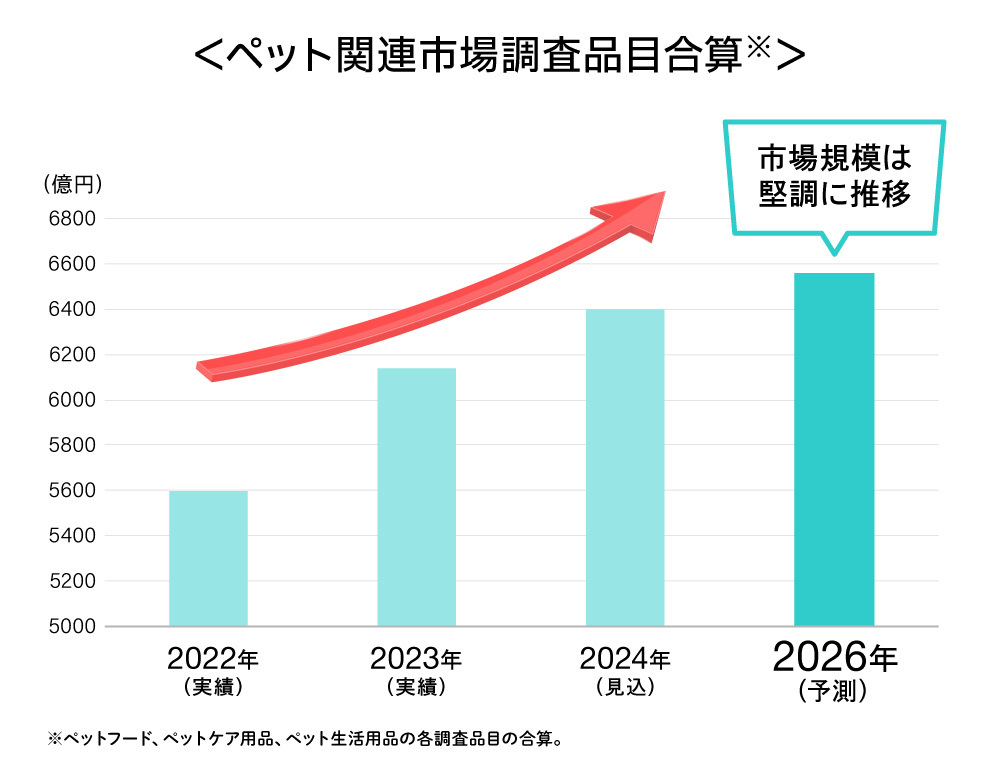
Additionally, attention is focused on the emergence of new businesses such as pet insurance and pet funeral services. Furthermore, as the term "pet therapy" suggests, it has become clear in recent years that pets significantly contribute to people's happiness and health.
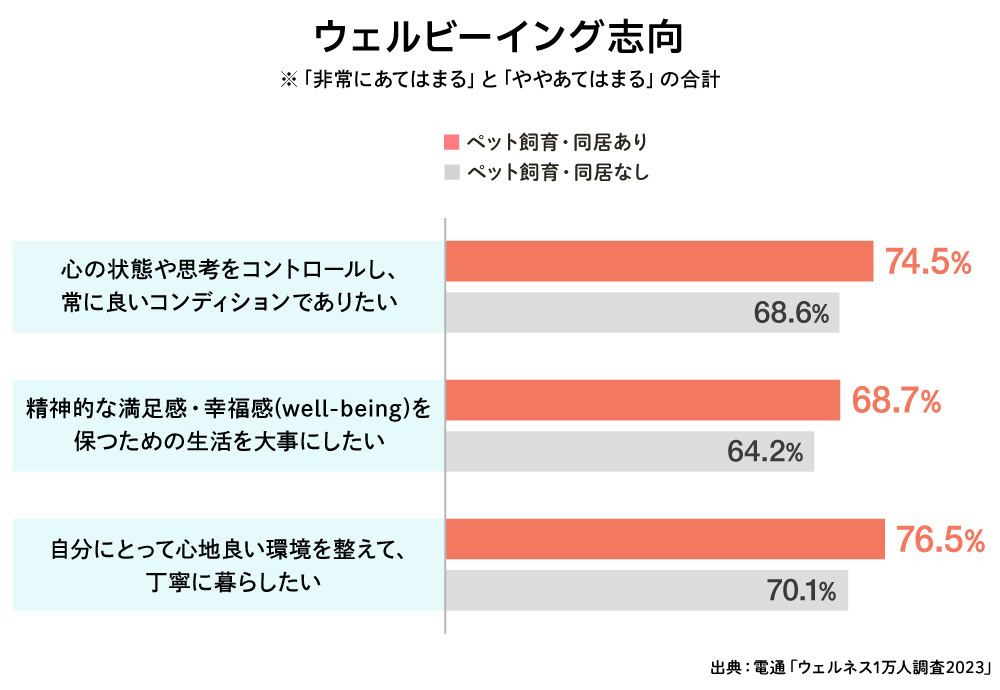
A survey conducted by the Dentsu Inc. Healthcare Team also found that pet owners are more likely to prioritize well-being in their lifestyles, suggesting a correlation between pets and human physical and mental health. Mr. Nakajima, are there any recent trends in the pet market you're particularly watching?
Nakajima: From a well-being perspective, there are organizations doing very interesting work. For example, the general incorporated association Mannari promotes animal-assisted education, conducting dog visitation classes in elementary schools. I hope to see more initiatives like this.
However, looking at the market as a whole, there are also challenges. For example, data shows a recent decline in the number of pets kept. The number of dogs kept, in particular, has decreased significantly, and Japan currently experiences a larger decline compared to other developed countries.
On the other hand, the amount of money spent per pet is increasing. The current pet market has grown to a very large scale, estimated at 1.8 trillion yen. Not only pet-specialized companies, but also major companies from other industries are entering the market.
Takizawa: The growth of the pet market is indeed remarkable. However, I often hear that effectively capturing pet owners' insights is challenging.
Nakajima: That's right. While the pet market appears large at first glance, it's actually highly fragmented. This is because pet owners' needs vary greatly depending on their lifestyle, family structure, and personal preferences. Furthermore, insights differ between dog and cat owners. Even among dogs, needs vary significantly from large breeds to small breeds, with specific requirements based on breed and other factors.
Trying to lump everything together with a single approach without understanding these intricate combinations of needs often leads to failure. I've seen many companies that were attracted to the pet market's appeal enter it, only to fail at marketing and eventually withdraw.
Takizawa: I see. While pets are a common factor, it doesn't mean owners' values or lifestyles are similar enough to categorize them into specific types.
Nakajima: Exactly. This is just one example, but dog owners tend to treat their dogs as family members, while cat owners often love their cats in a one-on-one relationship rather than as family. Gaining deep insight into these nuances is truly challenging.
Takizawa: Could there be potential for services tailored to the characteristics of specific dog or cat breeds?
Nakajima: At my previous company, ONE BRAND, we actually realized a breed-specific project called "Homes for Living with French Bulldogs." French Bulldogs are sensitive to heat, so after hearing owners say things like "We walk them early in the morning during summer or fill the bathtub with water for simple exercise," we provided rental housing with thoughtful features like spacious changing rooms and bathrooms. This received a huge response and led to immediate contracts. Services and products leveraging breed characteristics like this may well increase in the future. Recently, breed-specific events have also been thriving, so we expect services catering to these needs, like , to grow further.
The growing importance of pet owners' information literacy. What role should the media play?
Takizawa: Next, I'd like to move on to pet health management and information literacy. Recently, we've seen a rise in products and services for health management using health tech, like wearable devices for pets, self-testing services, and personalized food. It feels like human healthcare trends are starting to expand into the pet market. Mr. Nakajima, are there any trends or interesting developments in pet health management you're keeping an eye on?
Nakajima: Recently, the use of supplements and IoT for pets has been advancing rapidly. Major companies like Taisho Pharmaceutical and Yakult have long applied their expertise in supplements successful for humans to the pet market. In recent years, startups have started developing and offering evidence-based supplements based on joint research with universities. I expect more new entrants in this space going forward. However, it's important to note that pet products are often legally classified as miscellaneous goods. Compared to human products, this inevitably leads to fewer labeling requirements, meaning product information can be incomplete.
Regarding IoT technology, wearable devices and smart toilets for pets have emerged. Services and rehabilitation focused on senior pets are gaining particular attention, with dog massage, water therapy, and so-called rehabilitation treadmills also increasing. As health management for senior dogs and cats becomes increasingly important, correspondence courses providing rehabilitation and care methods for pet owners are also expanding.
Takizawa: The idea of pets aging is a startling perspective. Owners must also learn about health management specific to seniors.
Nakajima: Exactly. Pet food manufacturer Petline has launched a project to promote preparation for senior pets and is conducting PR activities to enrich pets' senior lives.
Additionally, more companies are offering services like elderly dog care and rehabilitation. One such place is the pet care service Let's. Many owners visit to consult about caring for their aging dogs. In one case, a dog diagnosed with dementia by a veterinarian was examined by Let's' rehabilitation specialist, who determined the symptoms were actually caused by a hip problem, not dementia. I think the concept of seeking a second opinion will become just as important for pets as it is for humans.
Takizawa: So, the information literacy of pet owners can significantly impact the quality of treatment, prevention, and health promotion their pets receive. As a pet owner myself, this really underscores the weight of that responsibility.
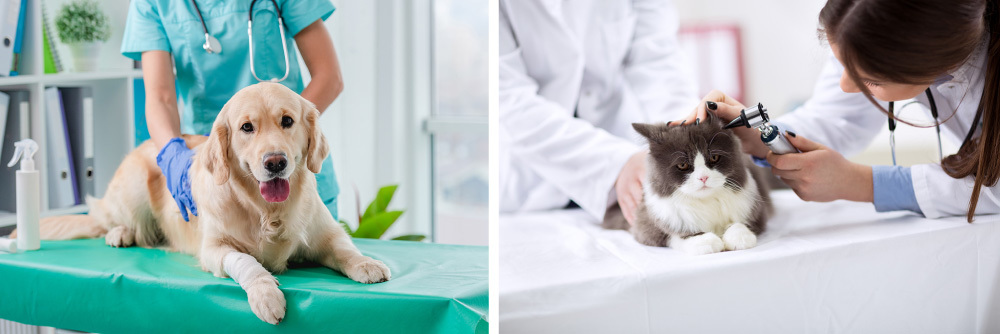
Given this context, I feel pet media has a significant role to play. Are there challenges in operating such media?
Nakajima: One challenge in media operation is the tendency for entertainment elements to dominate. Cute or soothing content naturally attracts people, so to make it a viable business, this type of information often becomes the main focus. However, providing health information and specialized knowledge is also a fundamental role media should fulfill. Fundamentally, it's difficult for pet owners to easily consult professionals, so they often turn to the internet for information. Yet, that information can be fragmented and sometimes lacks reliability. I feel this is the core challenge.
Takizawa: Indeed, it seems each pet owner has their own trusted information source based on individual judgment—perhaps resonating with a reporter's passion or beliefs and following their updates. Identifying reliable, accurate information about pets might be even harder than finding it for human health.
Nakajima: Precisely because of this, I feel communities are crucial for media. With limited opportunities for pet owners to consult experts, creating spaces where owners facing similar concerns can exchange opinions and also receive expert advice is vital. I believe fostering such community-building is the role future media should take on.
Future Forecast for the Pet Market. Keywords: "Improving Quality of Life" and "Creating Memories"
Takizawa: Next, I'd like to ask about your predictions for the future of the pet market. As you mentioned at the beginning, spending per pet is increasing, and companies outside the pet industry are also entering the market in large numbers, drawing significant attention to the market's future. How do you foresee the "future" of this market, Mr. Nakajima?
Nakajima: A major characteristic of the pet market is not just its expanding scale, but also its broadening base. We see large corporations launching new ventures, while small and medium-sized enterprises and startups are also actively entering the market, leading to the emergence of micro-services catering to highly specialized needs. Furthermore, as society increasingly prioritizes human wellbeing and healthcare, awareness about improving pets' quality of life is also growing. Pets themselves are living longer, healthier lives. Pet owners naturally want to spend as much loving time with them as possible. Therefore, I believe services related to improving pet QOL—such as supplements, specialized food, rehabilitation, and dog massage—will continue to expand.
That said, another key trend is "creating memories." Services that help pet owners and their pets enjoy special moments together are growing, such as trips where pets can accompany their owners or special services for celebrating milestones. Recently, luxury hotels and glamping facilities that allow pets to stay have increased, expanding options for "memory-making" experiences like pet tourism. Furthermore, services focused on documenting a pet's entire life, such as dedicated pet photography and memorial services, are also gaining attention. I believe these will further invigorate the market.
From another perspective, I believe the cat market is one to watch for future trends. New products and services aimed at enhancing cats' quality of life are continuously emerging. Examples include the "Nyanpeki" catwalk developed by LIXIL, the largest housing equipment manufacturer, which uses magnets for easy reconfiguration, and "Nekonist," which collects photos from cat owners for exhibitions in department stores. The cat market is still relatively immature, so its future developments warrant attention.
Takizawa: Mr. Nakajima, you started your business in 2023 and are currently developing various ventures centered around the axis of "Pets × Travel × Local Communities." Will you also focus on businesses from the perspective of "creating memories" going forward?
Nakajima: Yes. We also believe pet tourism can solve many challenges facing the pet industry. Increasing places where pets and owners can travel together might boost pre-trip product purchases, post-trip grooming services, and spread training culture, ultimately revitalizing the entire pet market. To achieve this, we'll support making regions more pet-friendly—not only by increasing stress-free environments for owners and pets but also by implementing zoning for those uncomfortable around animals. We aim to expand these initiatives nationwide.

Takizawa: Finally, do you have any advice for companies considering new entry into the pet industry or those in charge of new ventures?
Nakajima: While more companies are entering new businesses targeting pet owners these days, some lack sufficient insight into the pet market, leading to operational challenges. As mentioned earlier, understanding that pet owners' needs are highly segmented—varying by pet type, dog breed, or cat breed—and analyzing those insights is crucial. Furthermore, given the abundance of diverse information and opinions in the media, avoiding the trap of accepting only biased information and maintaining an objective perspective may be essential prerequisites for entering the pet industry.
Takizawa: Indeed, I believe the challenge in the pet market lies in "how to respond to this fragmentation of needs?" Beyond the differences in pet types like dogs, cats, and rabbits, or specific breeds, the question is: from what perspective and based on what criteria do we grasp pet owners' insights? Furthermore, contributing to "coexistence" while also understanding the perspectives of people beyond pet owners is another major challenge for business success. My desire to support the healthy growth of this market, while bearing responsibility for the lives of pets, has grown stronger.

Was this article helpful?
Share this article


Newsletter registration is here
We select and publish important news every day
For inquiries about this article
Back Numbers
Author
Toshihiro Nakajima
OVER Inc.
President and CEO
Takizawa Naho
Dentsu Inc.
6th Marketing Bureau, Marketing Consulting Division 1
Planner/Consultant
Exploring the Wellness Survey of 10,000 PeopleHealthcare Keywords Revealed by the Wellness 10,000-Person SurveyHow Should Japanese Companies Advance DX in China, a DX Leader?Latest Healthcare Insights from the Wellness 10,000-Person SurveyHealthcare Trend Forecasts for a Healthy and Happy FuturePR-Driven Marketing "MARKETING+PRUS"The Dentsu Inc. Healthcare Team's Perspective on Consumers' True Feelings