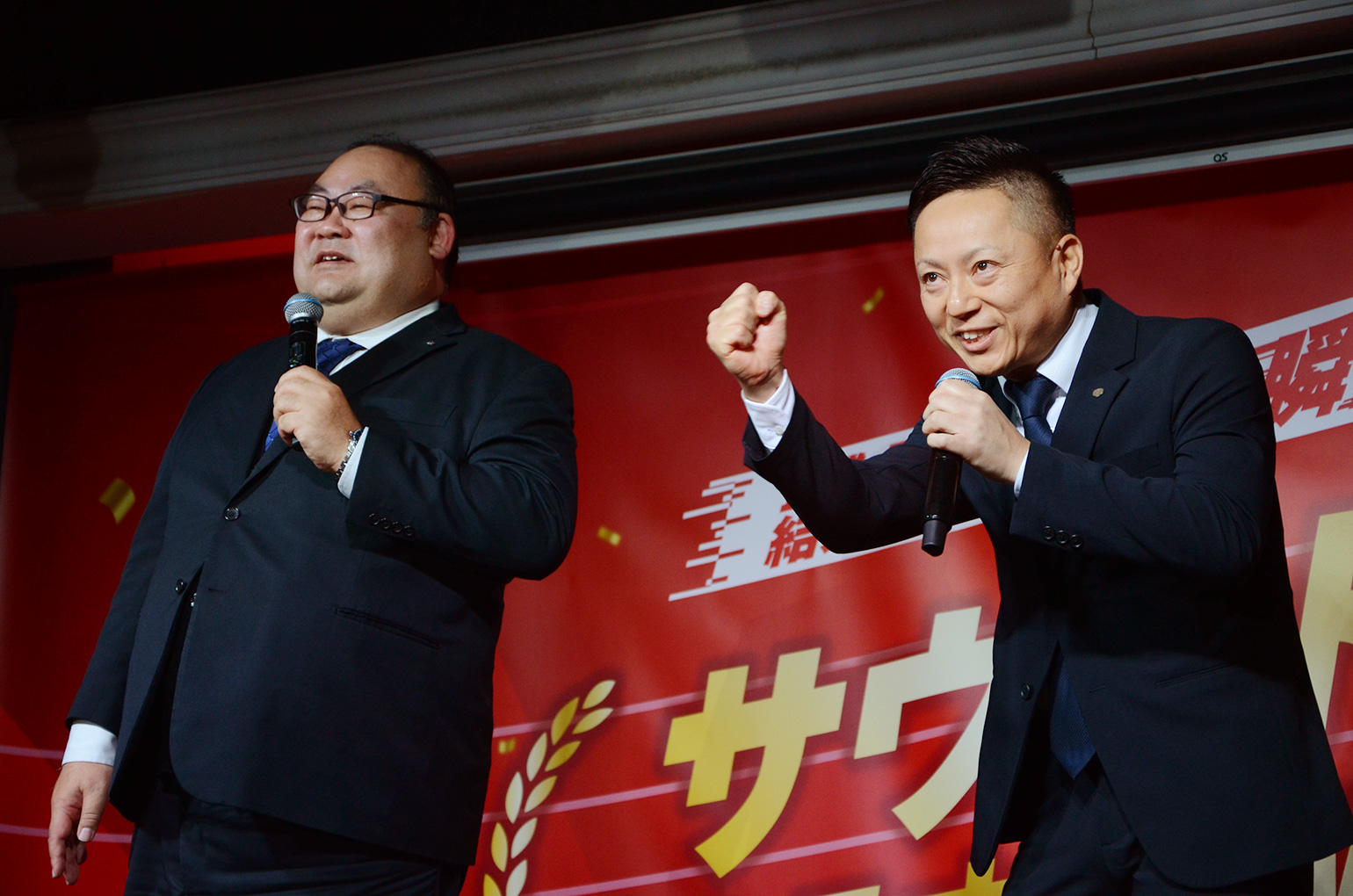
Sound Logo Karaoke became a major sensation immediately after its launch, gaining attention on social media and TV shows. In our previous article, we introduced the background behind the development of the Sound Logo Karaoke AWARD from the perspective of “instant entertainment.” In this article, Kohei Morimoto and Rumi Eguchi from the organizing committee at Dentsu Inc. look back on the finals, where an unprecedented collection of “ultra-short karaoke” videos gathered.
[What is the Sound Logo Karaoke AWARD?] "Instant entertainment" that determines the No. 1 team spirit among companies and organizations. An employee-participation award hosted by JOYSOUND. Sound logos created by companies and organizations are distributed as karaoke tracks on JOYSOUND, and the No. 1 Sound Logo Karaoke in Japan is decided based on the number of times the song is sung in stores and live performances at the final stage.
Morimoto: The Sound Logo Karaoke AWARD is a project that launched as a new form of content, leveraging JOYSOUND’s assets in a slightly different way than before while also offering new business potential. We incorporated insights from our 10-year corporate anthem project and were involved in everything from concept development to overall operations. Looking back, I feel it was a highly rewarding initiative.
Eguchi: When we first conceived the project with the “Sound Logo × Karaoke” angle, both our team and the folks at Xing got really excited, agreeing that “this is definitely going to be interesting.” However, since it was an unprecedented initiative, we were essentially feeling our way through how to actually generate momentum and attract participating companies. In fact, when we spoke with companies that owned sound logos, while they appreciated the concept’s appeal, some didn’t proceed to apply because of the lack of precedents.
Morimoto: The mood shifted around the time the participating companies’ sound logos actually started being streamed on JOYSOUND. Comments like “What does it mean that you can sing a sound logo?” “I recognize this sound logo from a commercial,” and “I want to sing that company’s sound logo too!” naturally began spreading on social media.
Eguchi: From there, we were featured on several TV programs. While I believed the project had potential to succeed, I honestly never imagined the response would spread this quickly.
Morimoto: Karaoke is deeply rooted as a uniquely Japanese culture. JOYSOUND, which has pioneered that culture, is now using its expertise and assets to support companies and organizations in new ways. I think that message gradually began to resonate. And the final stage became a day where JOYSOUND’s vision merged with the unique charms of each participating company and organization.
The energy was palpable on the live stage
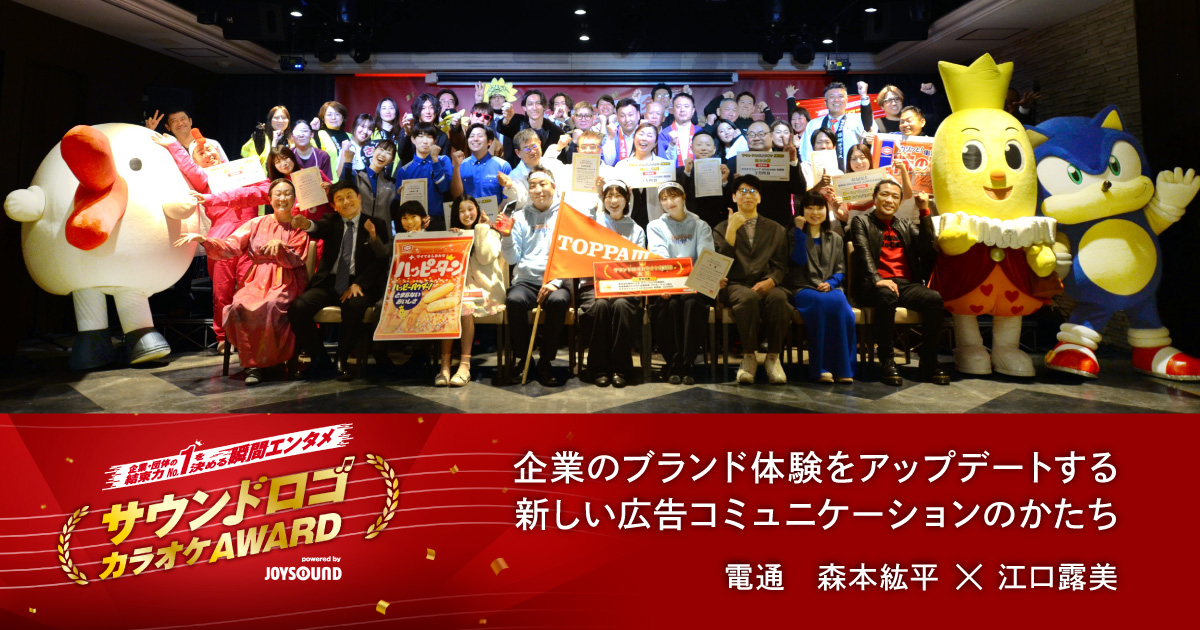
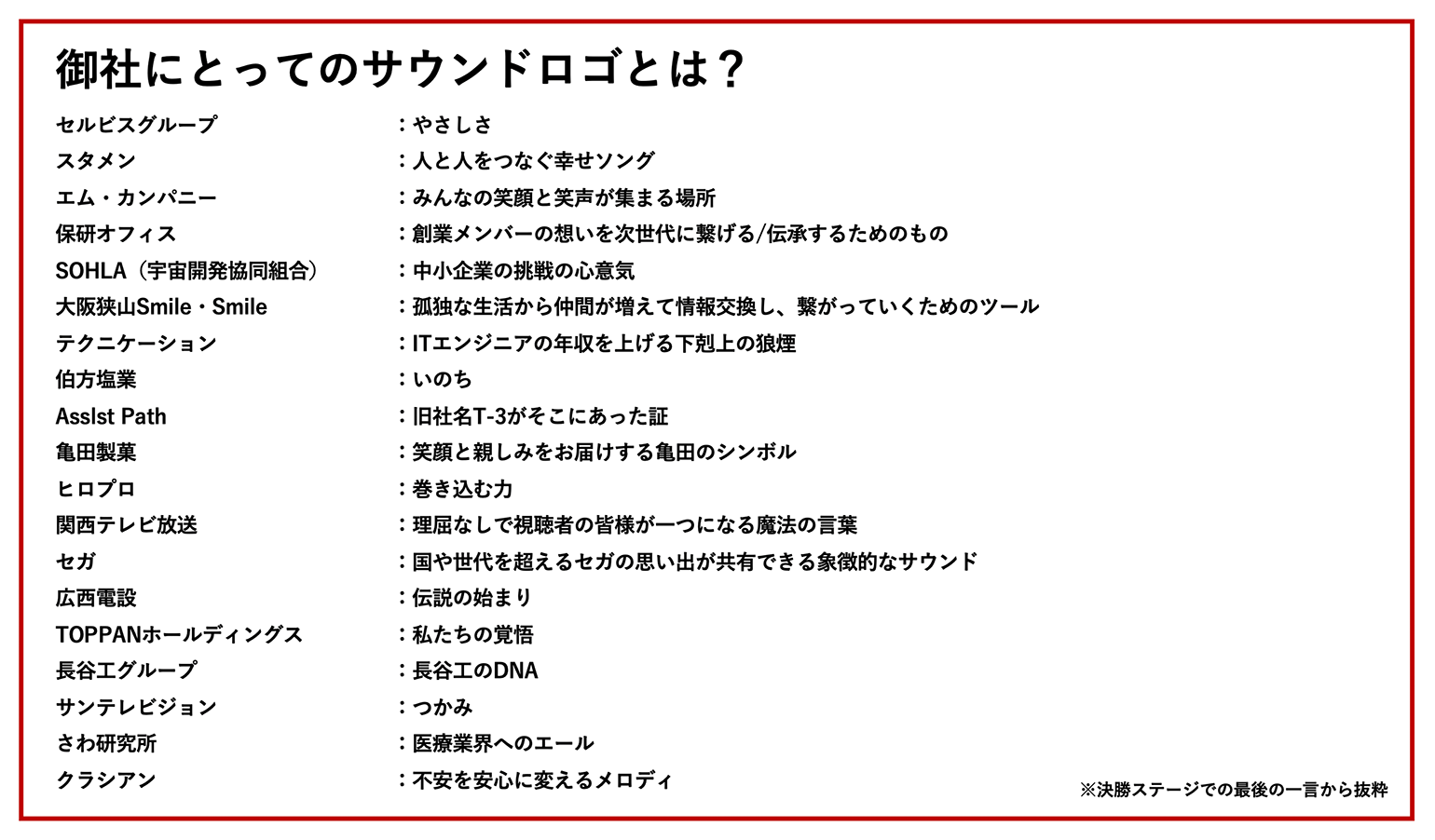
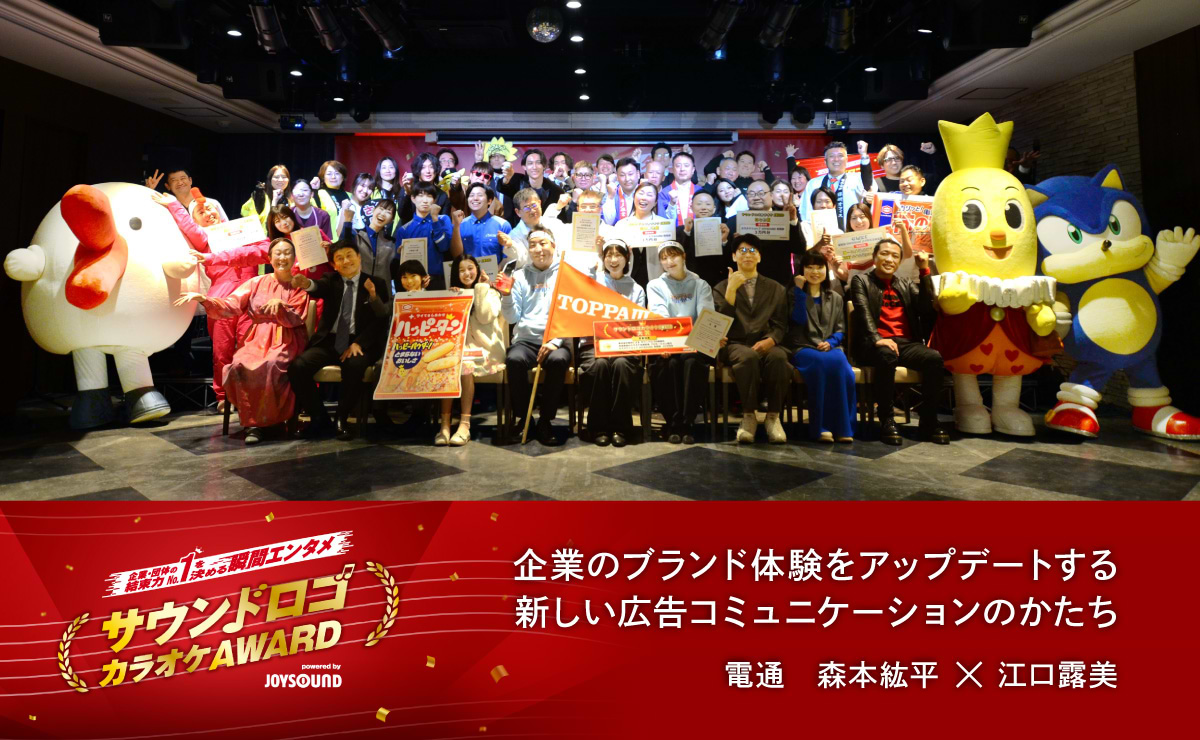
Morimoto: Nineteen companies and organizations participated in the final stage held on February 18. The performances consisted of a 120-second presentation, singing the sound logo karaoke, and finally, expressing in a single sentence, “What does the sound logo mean to your company?”
Eguchi: Judging was based on three key criteria: “Does it convey the unity of the company or organization?”, “Does it convey the sentiment behind the sound logo?”, and “Was it a memorable karaoke performance?”Additionally, extra points were awarded if the singing score exceeded the national average, and companies and organizations that had performed frequently during the pre-set “Support Stage” period also received bonus points. We designed the system so that it wasn’t simply a “contest to sing short sound logos,” but rather one that evaluated how effectively the company or organization’s sentiments were conveyed.
Morimoto: The real challenge in planning the content was figuring out how to create a tempo that wouldn’t feel awkward to the audience. In karaoke, there’s a brief pause between the song starting and the singer beginning to sing, and there’s also time for scoring after the performance ends. If that gap is too long, it feels drawn-out; if it’s too short, it feels rushed. To find that perfect balance—including exactly when to press the start button—we practiced extensively.
Eguchi: In the early planning stages, we discussed how the concept of “singing for just a few seconds and leaving” was interesting in itself. But that alone wouldn’t convey the thoughts and stories behind the companies and organizations. That’s why we added the 120-second presentation and the final one-line message segment. In the end, I think this design was truly effective. Especially that final line—“What does a sound logo mean to our company?”—captured the company’s unique character and philosophy, and it really left a lasting impression.
Morimoto: Precisely because this was such an unprecedented format, we put a lot of effort into the preliminary explanations to help participants visualize what it would look like. We didn’t just create briefing materials; we also produced a video where we took the stage ourselves to demonstrate the entire process—from the presentation and singing to the closing message. Thanks to that, I think we were able to maintain a sense of unity in the content while still allowing everyone to express their own individuality.
A company’s appeal can be seen in an instant
Morimoto: Looking back on the entire performance on the day of the finals, what were your thoughts?
Eguchi: The first thing that stood out to me was the rehearsal before the show. The moment all 19 companies and organizations gathered in one place, the atmosphere in the venue instantly brightened, and it became an incredibly energetic space. Since this was the first-ever competition, I felt we shared a sense of being “partners creating this new content together” rather than just fellow contestants.
Morimoto: There might have also been a sense of “finally meeting each other.” Between the application period and the actual event, there were support stages and information sessions, giving us time to get a sense of each other’s sound logos and company atmospheres. On top of that, Xing was actively promoting the event through social media and PR, so I think the excitement was building even before the event began.
Eguchi: Personally, I was moved even during the rehearsal stage. Every company was taking this competition—which our entire team had created with such dedication—very seriously. People had even traveled from far away, like Ehime and Osaka, specifically for this short performance. Because we all shared that same passion, there was a strange sense of unity in the venue. Even though it was a contest, it also had a warmth that felt a bit like a family gathering.
Morimoto: The actual event was truly diverse—it had manzai comedy, dance, choreography, and presentations where people passionately shared their thoughts, just like in a musical. I got the impression that they used the framework we provided in ways that were far more free and rich than we could have imagined.
Eguchi: Also, the live atmosphere where scores were announced on the spot was great, wasn’t it? There were cases where scores didn’t rise as much as expected, and there were moments when surprisingly high scores were awarded. I think the charm of the day included that “raw” appeal—like when they got so into it that the timing slipped—which is part of the fun of a live event.
Morimoto: One of the judges, Mr. Hanawa, commented, “This is way too entertaining. It’s the most fun I’ve had in all my years hosting and judging various contests!”
The Drama Unfolding Among Participating Companies
Morimoto: I highly recommend watching the finals in the archive, but let’s briefly recap the performances by each company and organization.
Eguchi: First up was Servis. They surprised everyone by performing a comedy routine during their presentation, instantly warming up the atmosphere in the venue. I think the viewers really got a sense of how entertaining this event was.
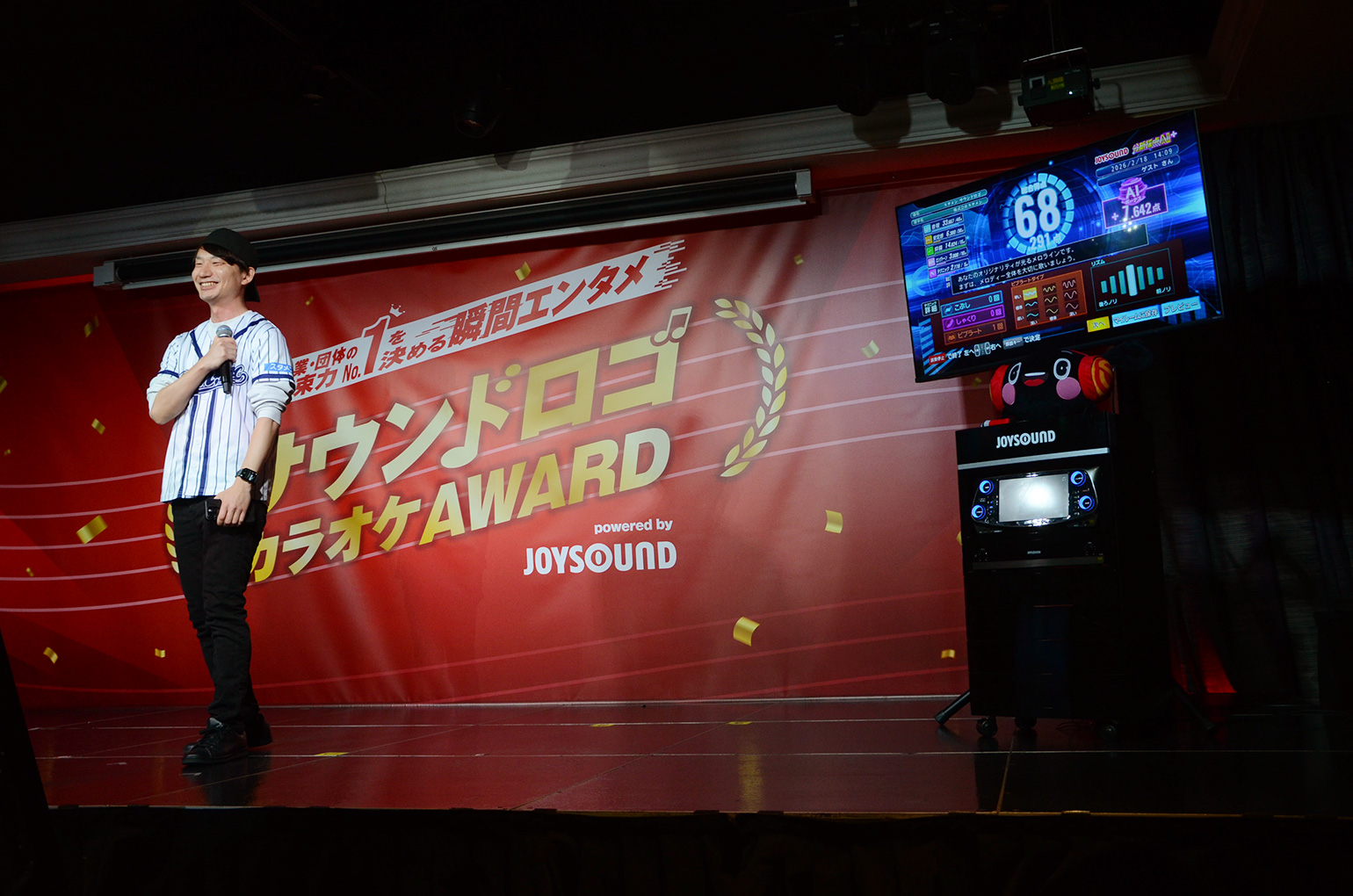
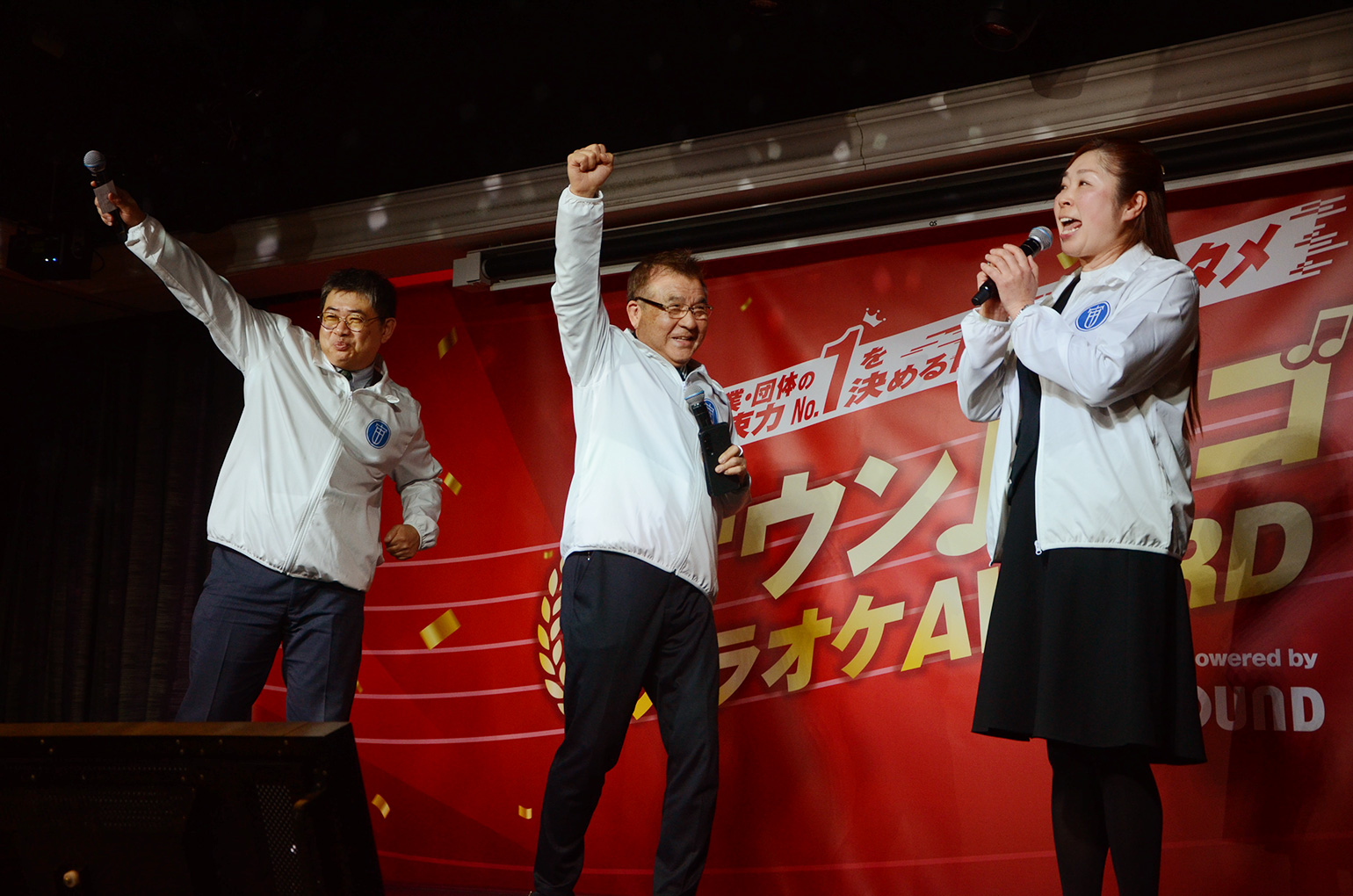
Morimoto: Stamen was also impressive. Even though they were participating alone, they reached out to everyone around them starting from rehearsals and really connected the entire venue. It felt like they truly embodied their service name, “TUNAG.”
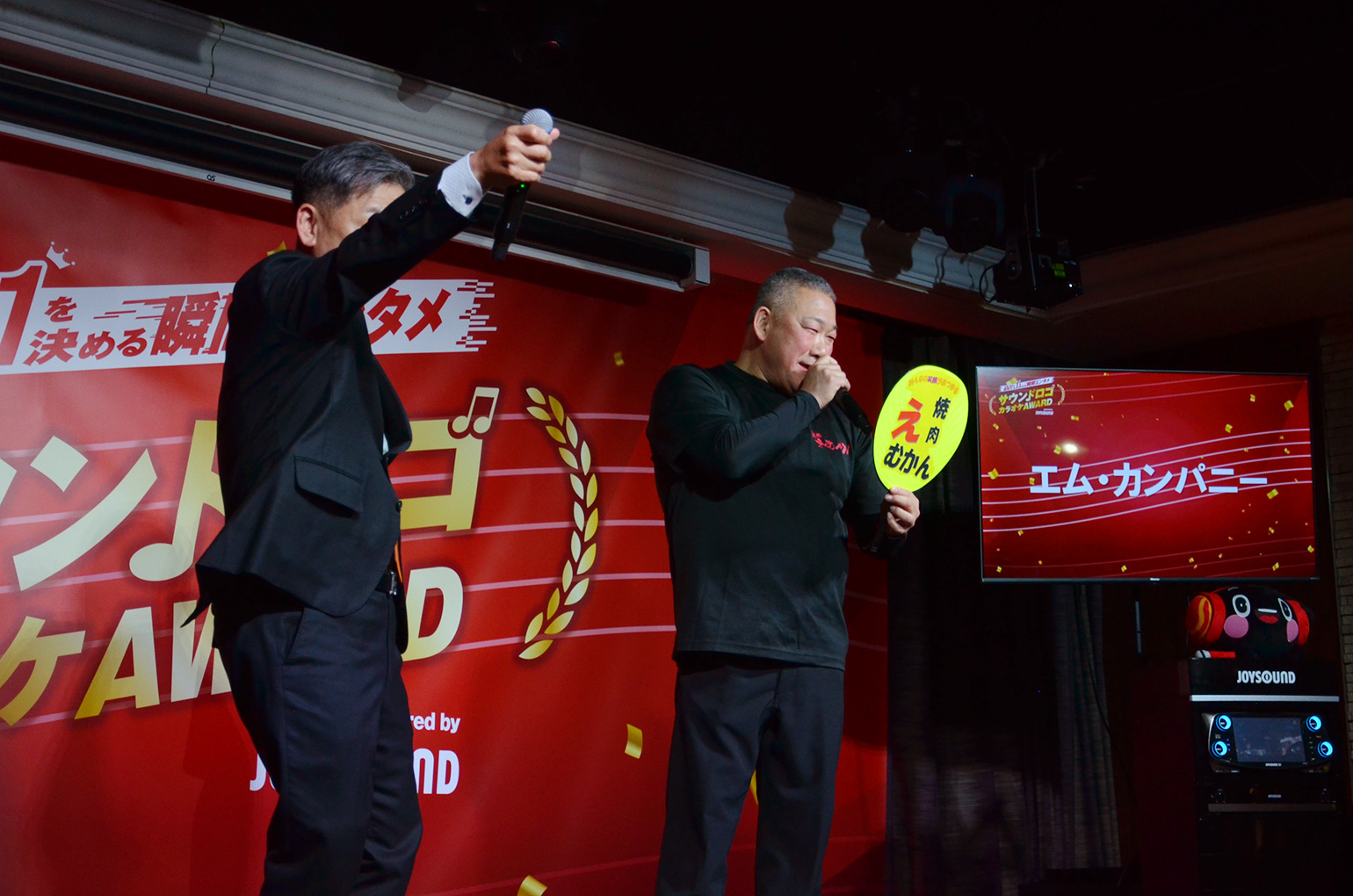
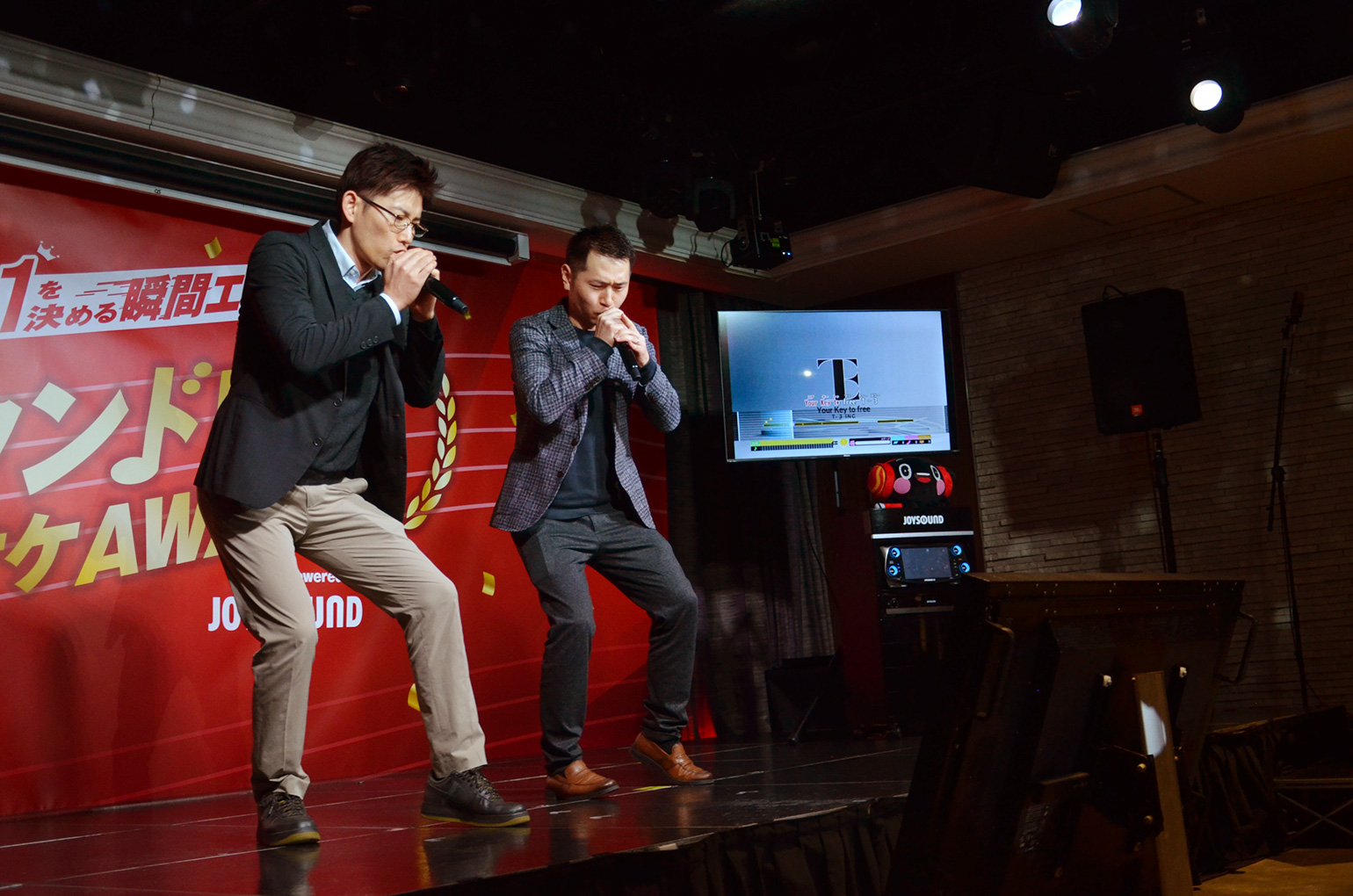
Eguchi: With M Company, the cue cards they’d written on the back of their fans were obvious from the start, and it was memorable how the audience started laughing right then. But I think the atmosphere where the audience warmly embraced even those little touches and laughed along really captured the spirit of this competition.
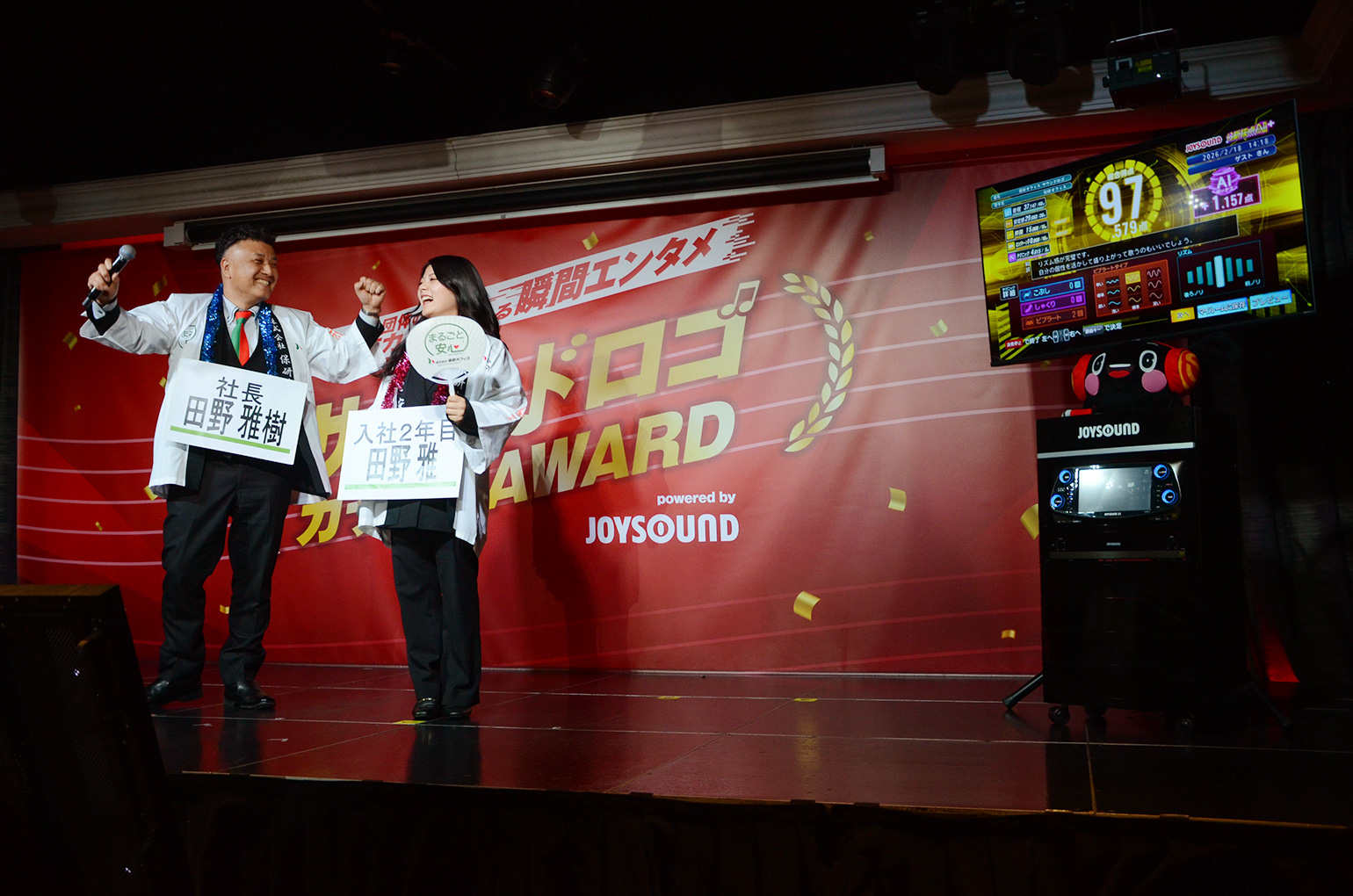
Morimoto: What really stuck with me about Hoken Office was the father-daughter duo—the president and his daughter—taking the stage together. It perfectly matched the worldview of their “All-Around Peace of Mind” sound logo, and I was surprised by their score of 97 points, which was the highest of the day.
Eguchi: SOHLA (Space Development Cooperative) had such a unique sound logo that it actually caused a stir—people were murmuring, “How on earth are they going to sing this?” The key was incredibly high, but they sang it all the way through with full-throated falsetto, which left a strong impression on me. It makes perfect sense that they won the Katsuya Yamada Award.
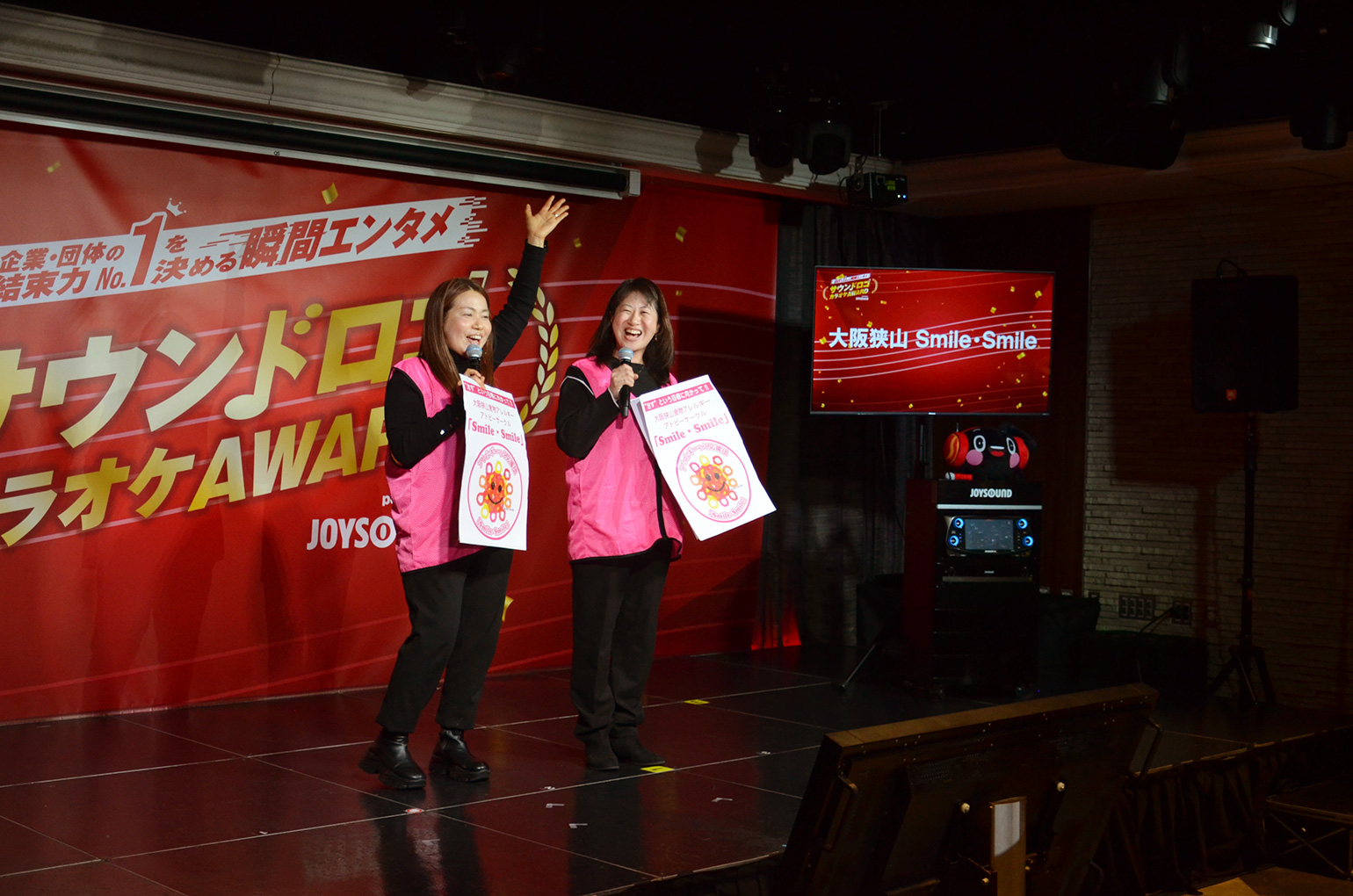
Morimoto: The performance by the Osaka Sayama Food Allergy and Atopic Dermatitis Circle Smile・Smile was even more touching once you learned the background story. Their activities, born from the experience of dealing with food allergies and atopic dermatitis, were conveyed through that bright melody. Seeing that truly warmed my heart.
Eguchi: With Technication, it was great to see the songwriter and composer perform solo with such confidence, and the entire audience responding by raising their hands. It really created a sense of unity.
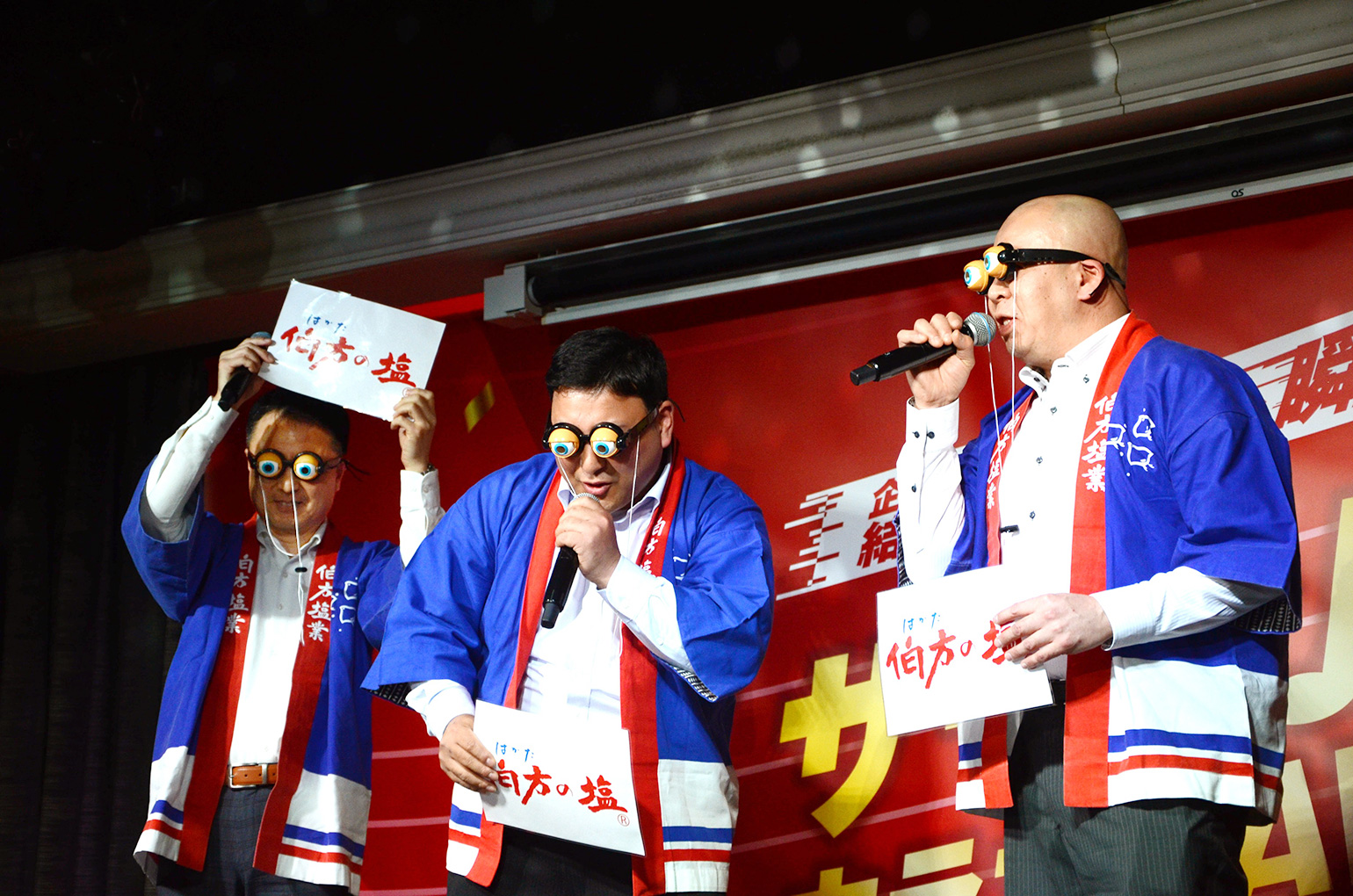
Morimoto: Hakata Salt Industries sang exceptionally well on the support stage as well. Since their sound logo is so well-known, I think the fact that even people who aren’t good at karaoke can sing along was reflected in the number of times it was performed. It really showed me the potential of sound logo karaoke.
Eguchi: AssIst Path changed their company name between the application phase and the finals, didn’t they? Even so, they sang the sound logo for their old company name, and it was impressive how they said in their closing remarks, “This is proof that the old company name was there.” It made me realize that even if a company name changes, the sound logo remains in people’s memories.
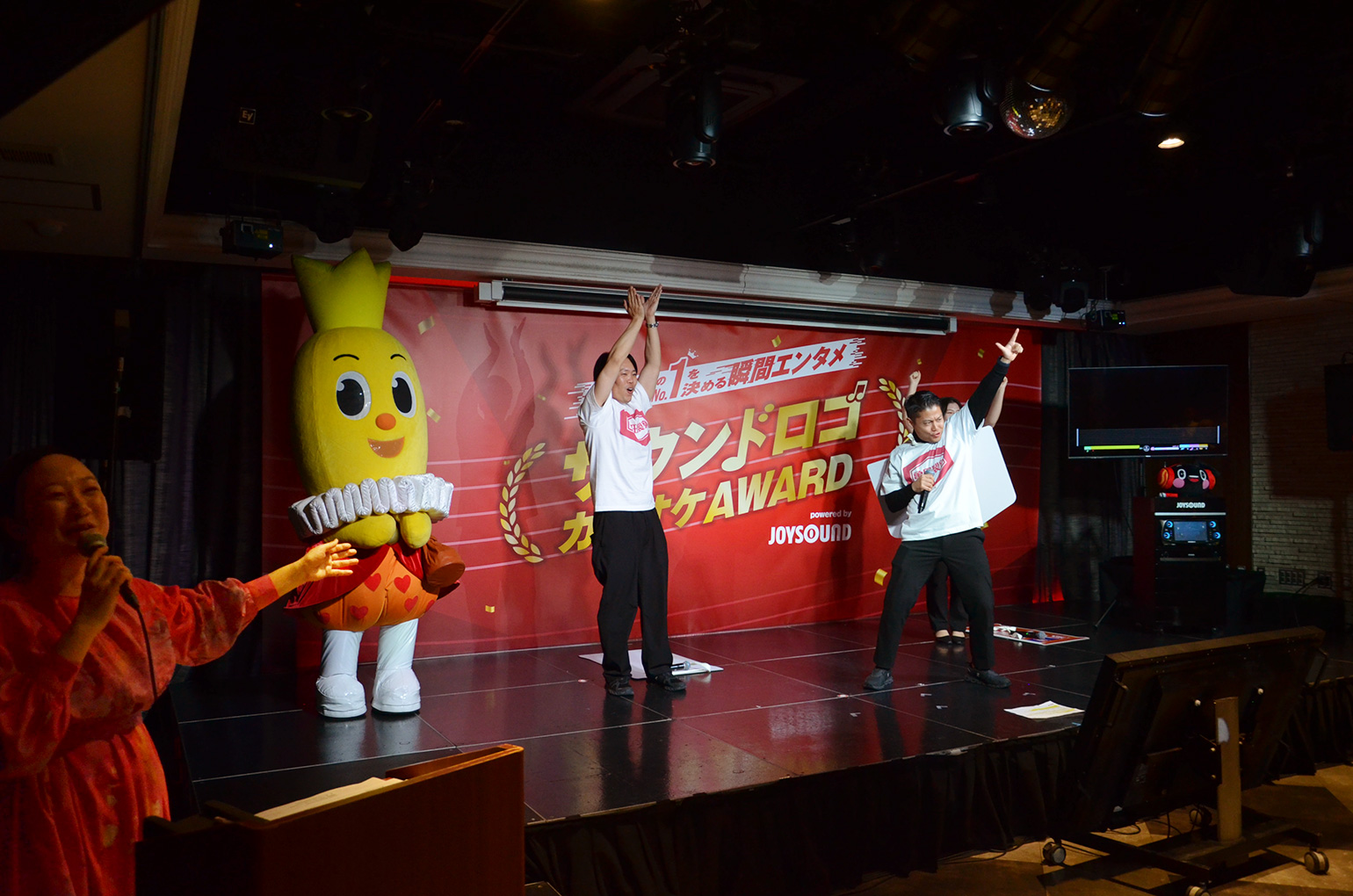
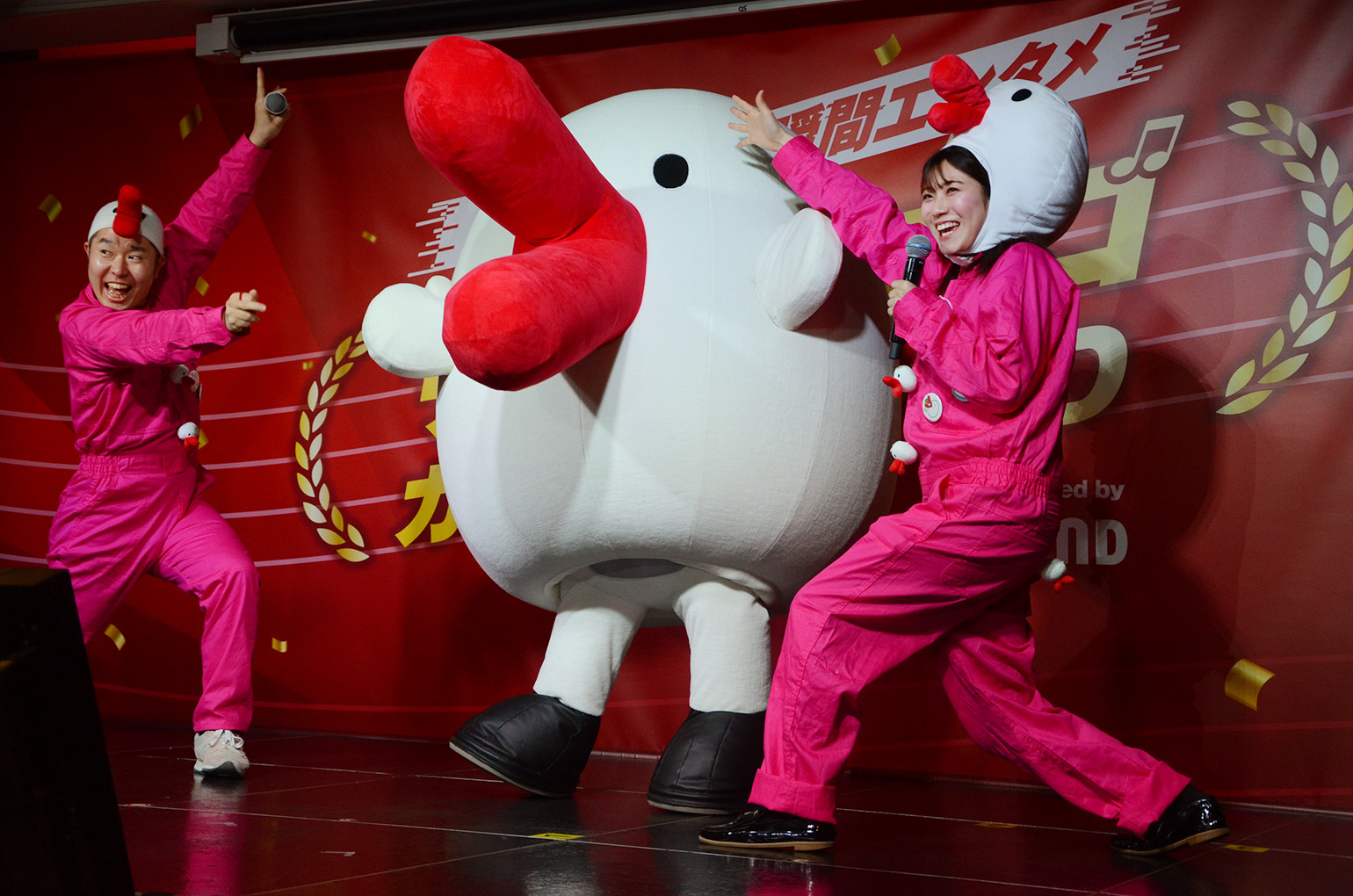
Eguchi: Kameda Seika’s presenter was incredibly energetic and radiated pure happiness! They even taught us the dance moves, really brightening up the venue and getting everyone excited. Plus, when the “Turn Prince” from Happy Turn appeared, the venue erupted in cheers—he was a huge hit with the two kid judges, too.
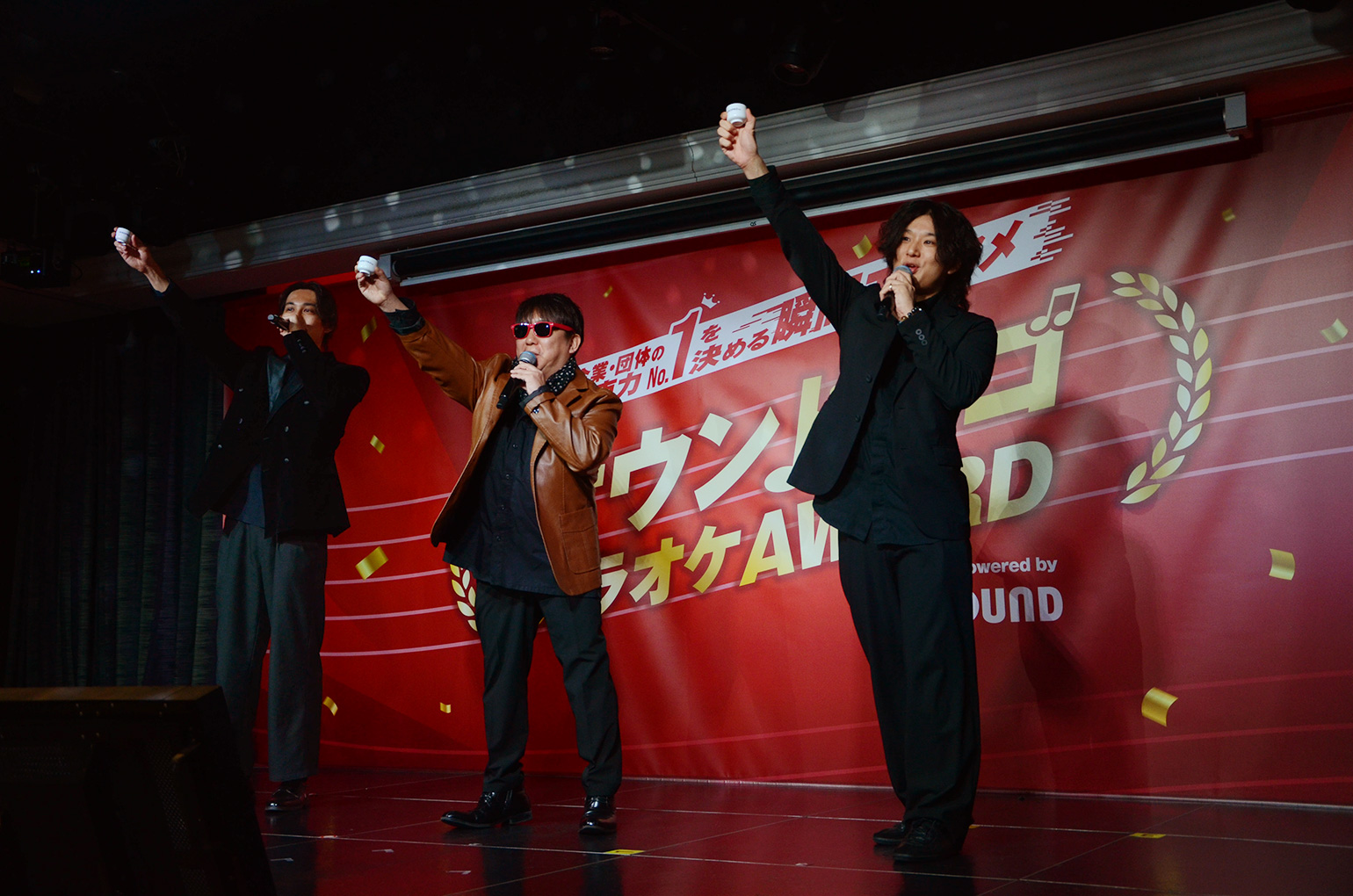
Morimoto: Hiropro really got the audience involved by raising a toast during their performance. As Hanawa-san remarked, “It felt like we were at a movie premiere”—the three performers on stage each had such distinct personalities that it was a truly memorable performance.
Morimoto: Kansai Television Broadcasting delivered a performance packed with laughter and a spirit of service—truly a distillation of the “Kansai TV essence.” Not only was announcer Yurina Tanaka’s singing talent impressive, but the PR representative’s personality really stood out as well.
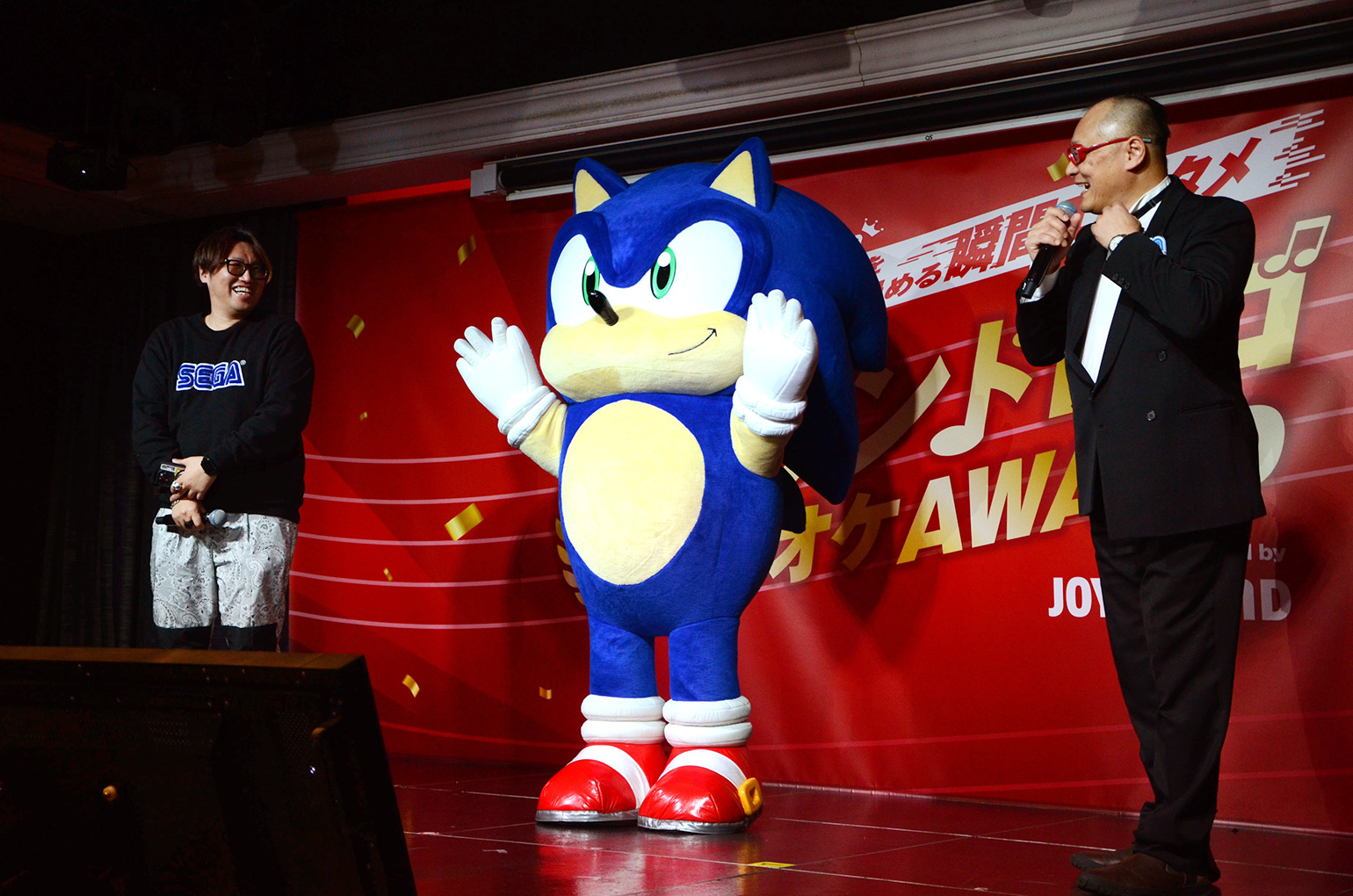
Eguchi: When Sega brought out “Sonic”—totally out of the blue—the venue erupted in a buzz! On top of that, Takeshi Mitsuyoshi, known as Japan’s best-singing office worker, even took the stage. Yet, during the actual performance, he was off-key note by note, prompting Hanawa to give him a good-natured ribbing: “What on earth did you come here for?”
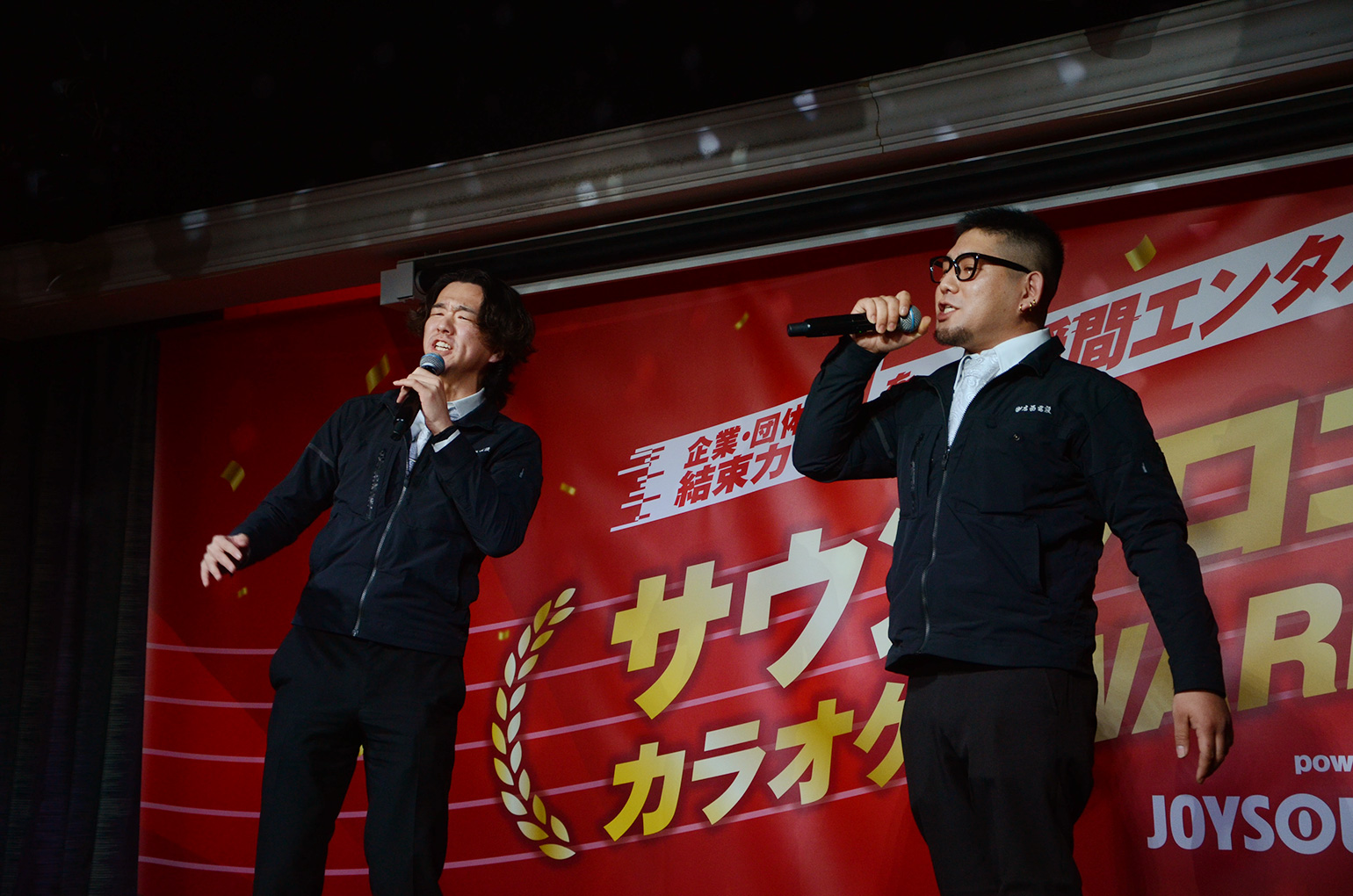
Eguchi: Kōsei Densetsu was one of the first companies to raise their hand. They really value their employees, and their internal initiatives—like company trips and the year-end tuna dissection show—are quite unique. I was delighted they participated, hoping it would serve as an opportunity to convey the appeal of such a company.
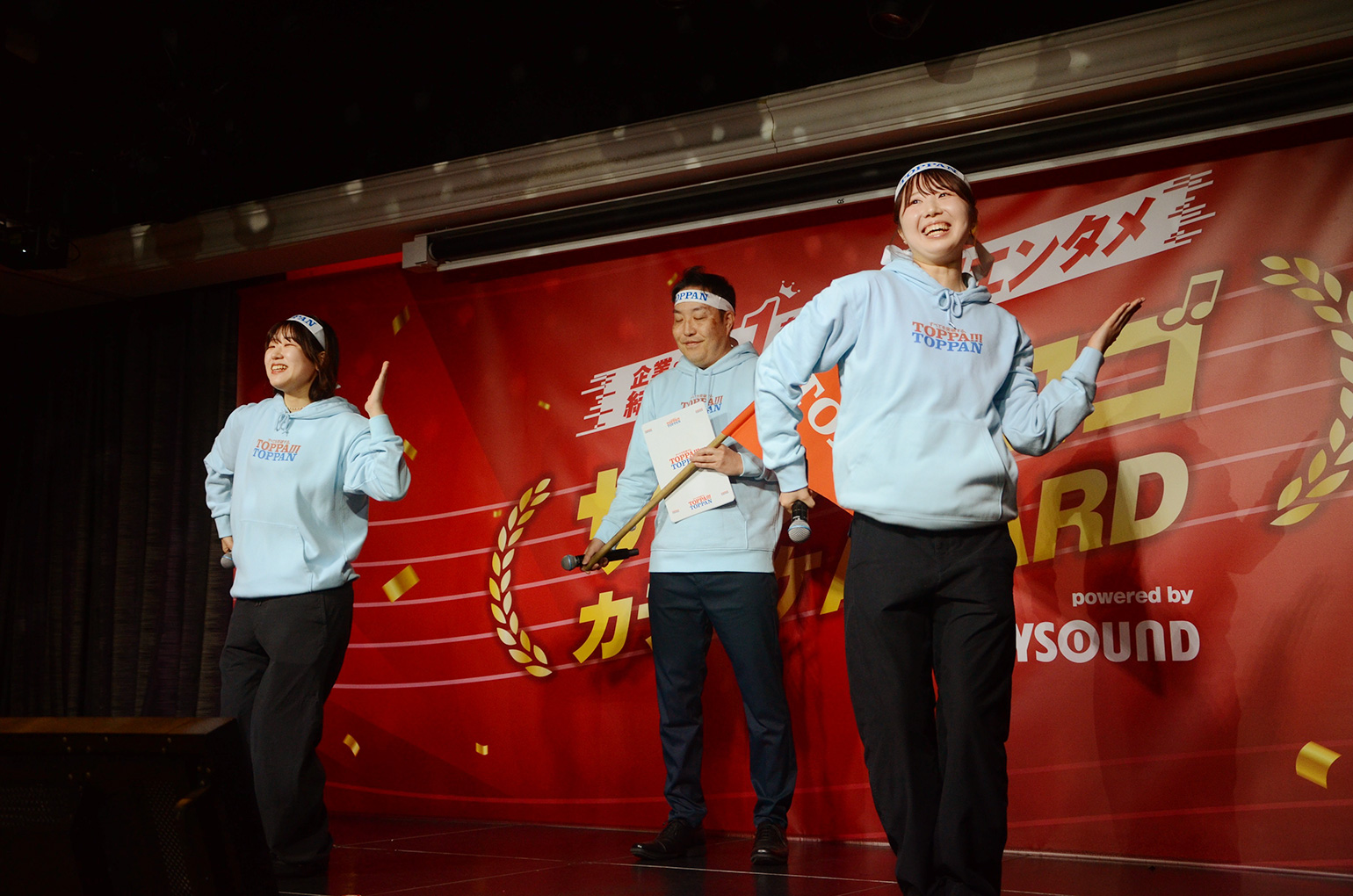
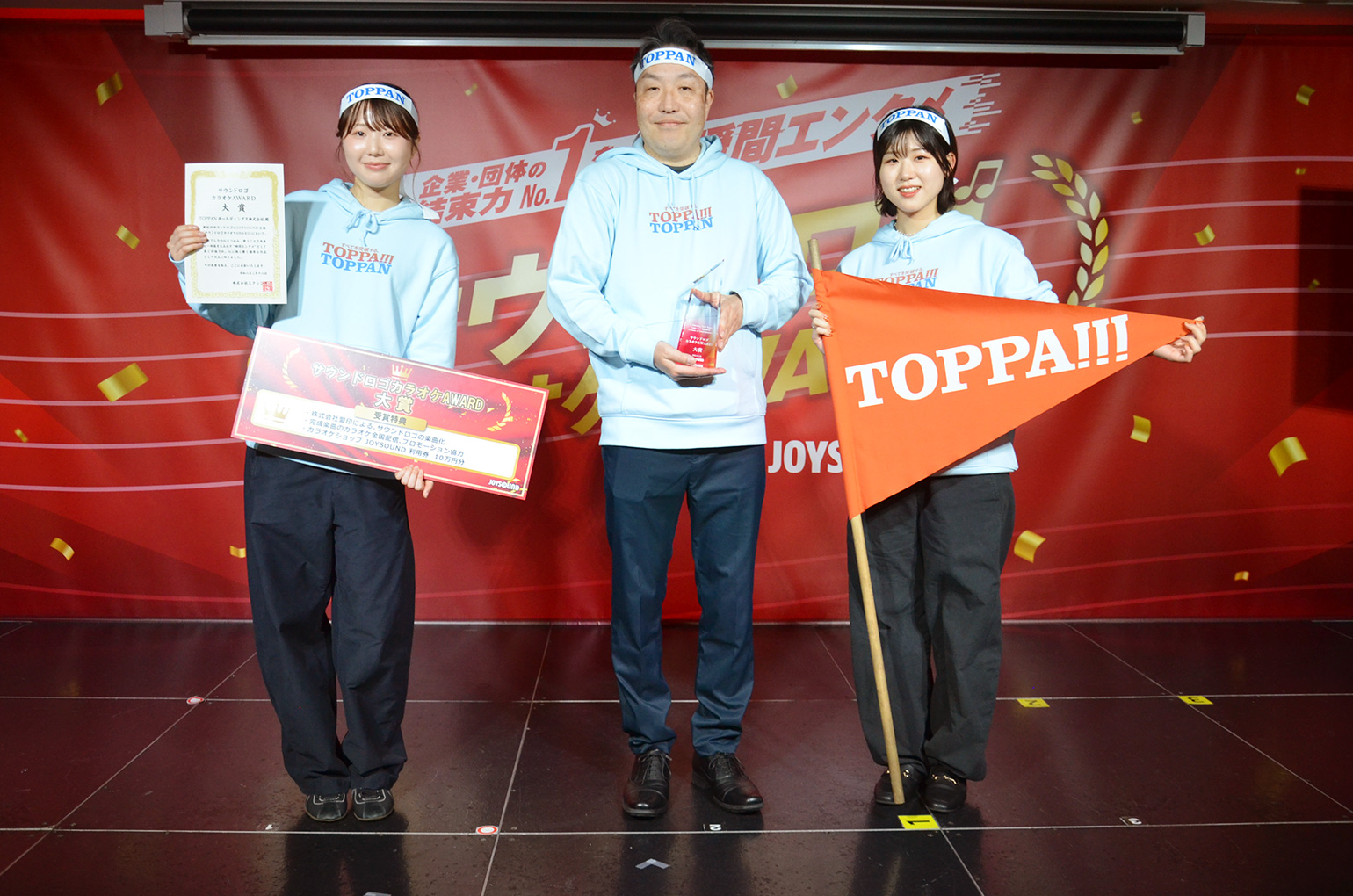
Morimoto: TOPPAN Holdings, who won the Grand Prize, delivered a performance of exceptional quality—from the singing and choreography to the costumes—that clearly demonstrated the depth of their preparation. Judge Ai Kawashima even commented, “It went far beyond a commercial and really touched my heart.”
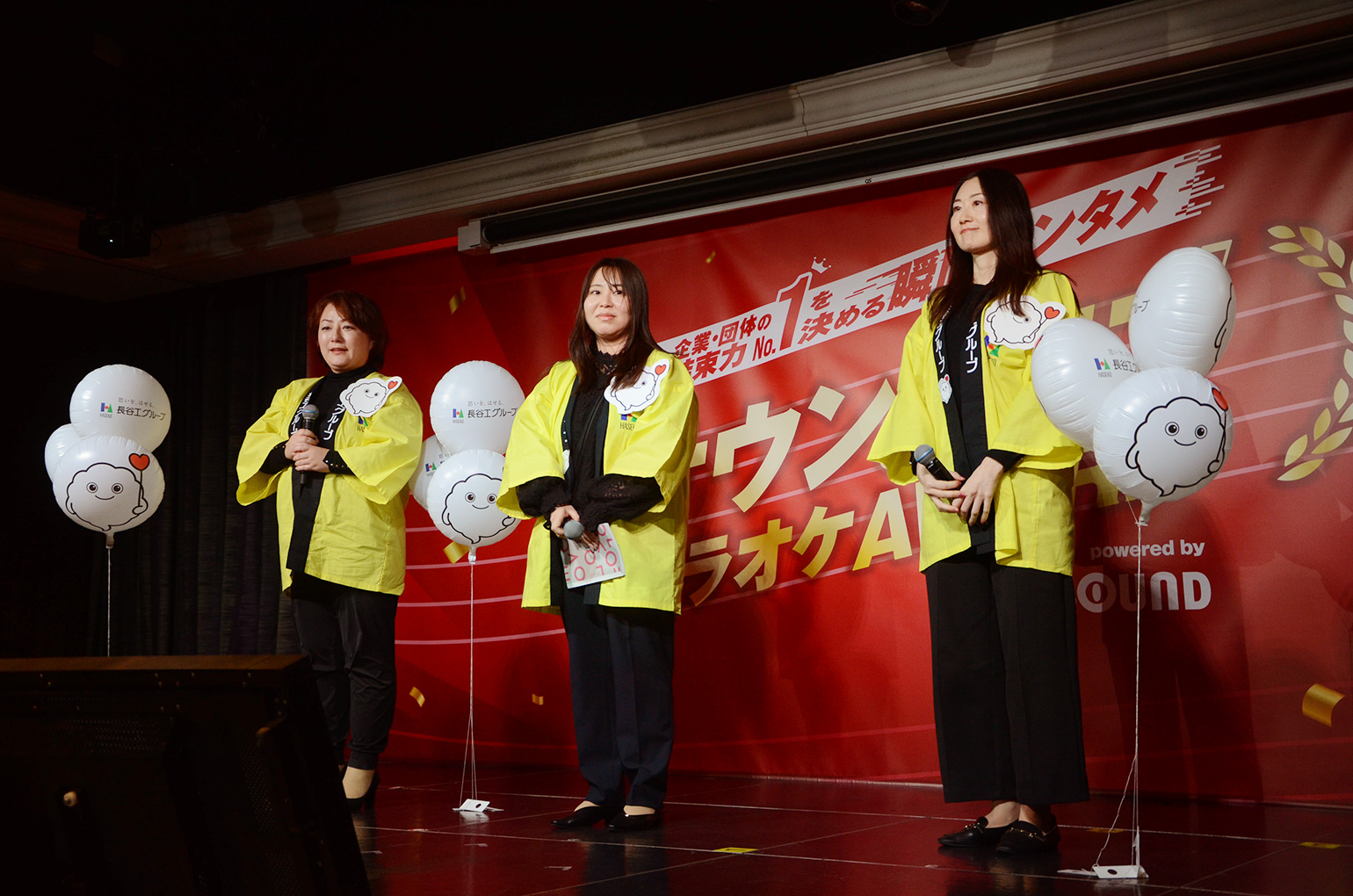
Eguchi: The Haseko Group’s presentation was also very memorable. Their sound logo, which was initially unpopular within the company, had become part of the company’s DNA—so much so that, through consistent use over time, more and more employees began using it to grab the audience’s attention during presentations. It was an anecdote that really highlighted the value of the history the company has built up over the years.
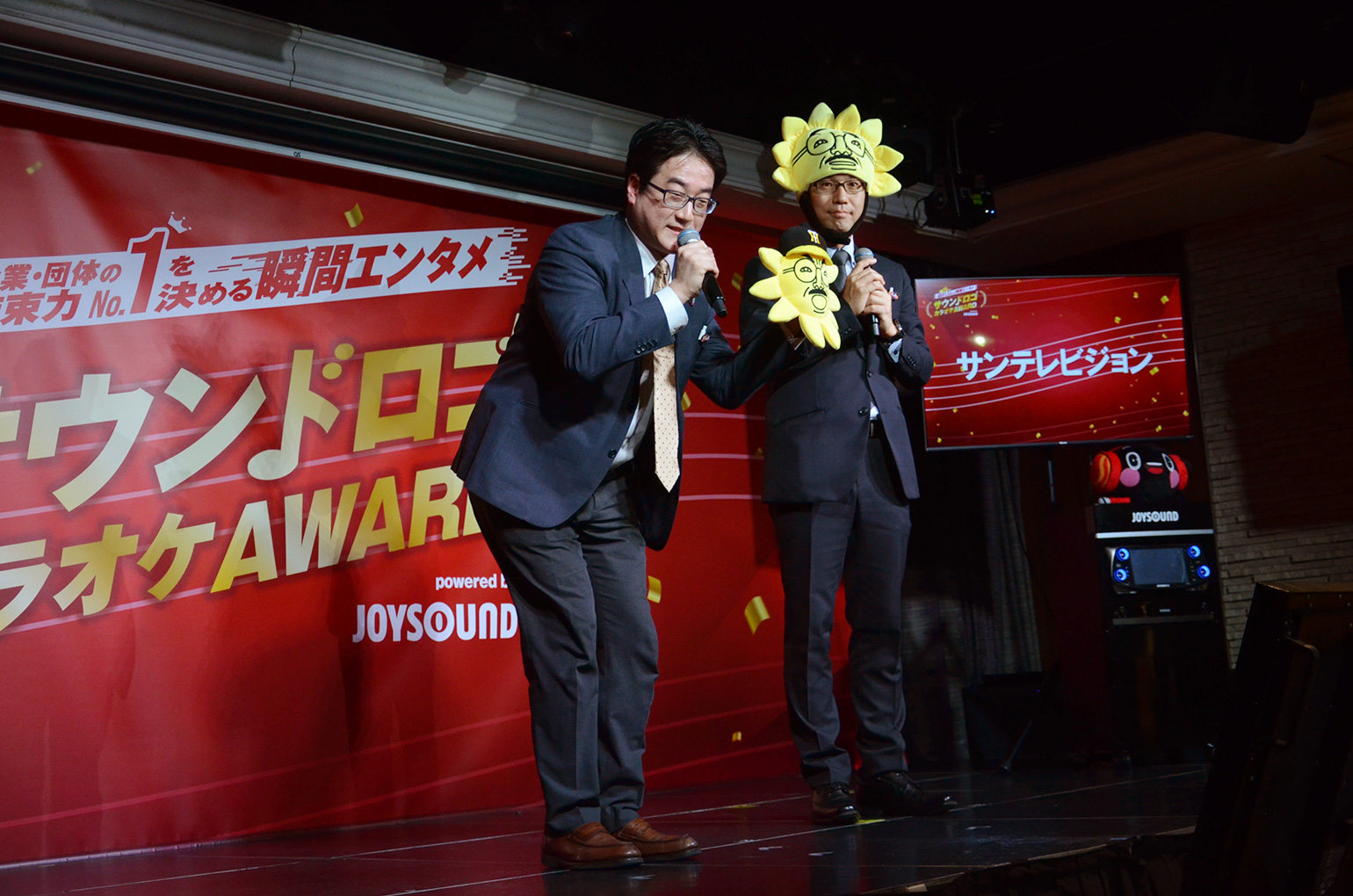
Morimoto: Sun Television’s performance featured a wonderful back-and-forth between the two presenters; in a way, it had the flavor of a comedy duo. It was a performance overflowing with love for the Hanshin Tigers—fitting for a broadcaster that airs Hanshin games all the time.
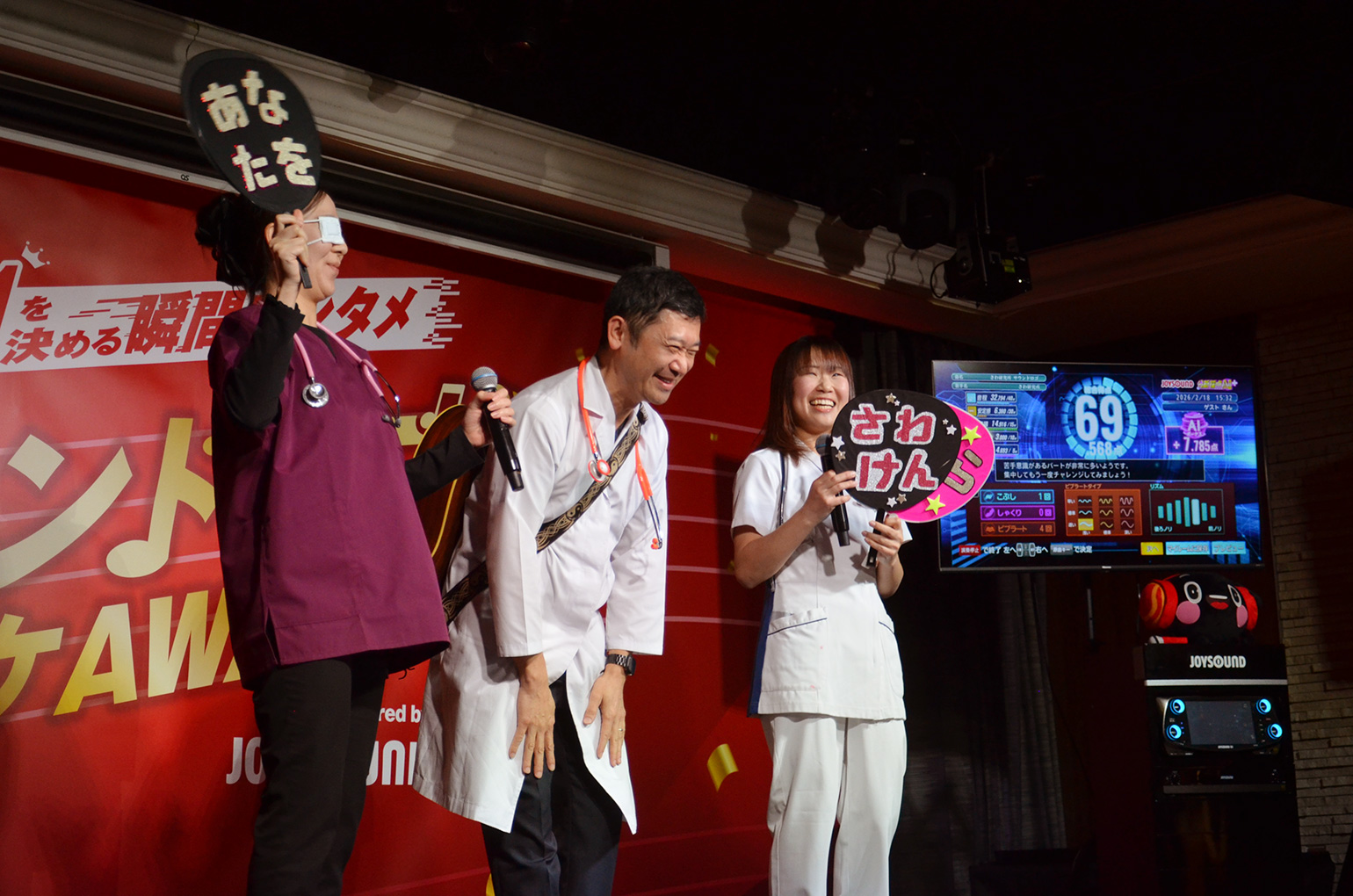
Eguchi: Sawa Research Institute had a great opening. They sang “S-A-W-A-Sawa,” and it was impressive how they confidently pulled off the parody right in front of Mr. Hanawa himself.
Morimoto: Classian really brought the energy you’d expect from the closing act. They conveyed directly how the company’s vision is condensed into those few seconds of their sound logo. It was a presentation that drew you in, just like a musical.
Eguchi: Looking back on it now, every company and organization delivered such wonderful performances that I feel like declaring, “Everyone’s a winner!” I think their individual visions and stories were truly embodied in those few seconds of sound logos.
The Potential of Karaoke × Sound Logos
Morimoto: What I felt through this project is that there’s still plenty of room for karaoke and sound logos to grow. First and foremost, it’s simply fun and gets people excited. Proving that was a major achievement.
Eguchi: I think the key point is that this can be content even people who aren’t good at karaoke can enjoy. Because it’s only a few seconds long, the barrier to singing is low, so more people will be willing to sing it. As a result, I think this could also serve as a catalyst for sound logos to spread throughout society.
Morimoto: It certainly holds potential from the perspective of customer touchpoints, too. For example, at a B2B trade show, simply having a setup where people sing the sound logo and receive a giveaway if they score above a certain threshold could create a new point of contact with companies. I think we could even envision using it as a way to introduce yourself—like singing your sound logo instead of handing out a business card.
Eguchi: Until now, sound logos have basically been something you passively “listen to,” right? But simply by turning them into something you “sing,” the experience shifts from passive to participatory. I think this is incredibly interesting not only for customer touchpoints but also as an internal initiative for employees.
Morimoto: In fact, TOPPAN Holdings, the Grand Prize winner, mentioned that they want to promote it not only externally but also internally. It’s not just about the sound logo itself, but about conveying the sentiment behind it to employees. I think there’s potential for this to lead to improved employee communication and engagement.
Eguchi: I realized just how captivating a traditional sound logo can become simply by singing it, and it was a moment that reminded me once again of the infinite potential of sound logos. The grand prize includes having A-In’s Mr. Yamada compose a song based on the sound logo. I’m really looking forward to seeing how that few-second melody will evolve into a full song.
Morimoto: I believe that this time, centered on JOYSOUND’s unwavering brand, we created a new concept—“ultra-short karaoke”—together with all the participating companies. It was a day where I sensed signs that this experience will lead to solving corporate challenges in other forms in the future.
Reflections from Organizer JOYSOUND on the Initiative
The Potential of Sound Logo Karaoke
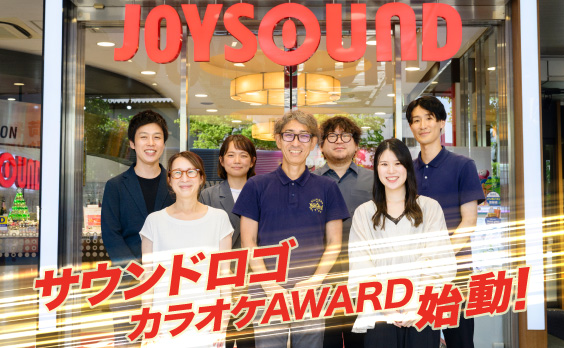
First, I would like to express my gratitude to the 20 companies that participated in the Sound Logo Karaoke AWARD.
Since this was the inaugural event, we weren’t sure how the project itself would be received by the public, but your participation fueled our passion and helped us create a wonderful AWARD.
Furthermore, I believe that everyone’s enthusiasm added to the event, elevating the prestige of the AWARD itself.
Sound Logo Karaoke… Being from the Kansai region myself, I’ve been exposed to and humming various sound logos since childhood. I still recognize the ones I heard back then, and I’ve always felt their power as a form of advertising.
After becoming a marketing manager and working on our company’s branding and marketing, I gained a deeper understanding of sound logos and may have sensed their potential somewhere along the way.
Coincidentally, when our company celebrated its 30th anniversary, we revived the sound logos and turned them into karaoke as a way to increase brand awareness. Since we’re a karaoke manufacturer, the transition from listening to singing probably came naturally to us.
However, from the end-user’s perspective, I felt it would simply be more fun to be able to sing a wide variety of sound logos, and I was certain the surprise of “Why are sound logos in karaoke?” would definitely create a buzz. Furthermore, I was convinced that this would not only benefit end-users but also contribute to the companies’ internal branding through the sound logos, which is why we decided to hold the event in an AWARD format.
While there were undoubtedly many shortcomings, thanks to the many customers who sang during the "Support Stage" period and the tremendous support and enthusiasm from the participating companies, we were able to bring the event to a close as a wonderful AWARD.
There are still many sound logos out there, and more will continue to emerge. We are working diligently to organize future events so that we can help share the passion behind sound logos with the world.
For the next event, we hope many companies will participate and experience the potential of sound logo karaoke as a new communication tool that connects companies with customers and customers with one another.
Finally, we would like to express our gratitude to Dentsu Inc. and the Regional Vitalization Research Laboratory for their tremendous cooperation in making this event possible. We would also like to thank our team members for facing unknown challenges and various difficulties.
Please come and experience Sound Logo Karaoke for yourself!
The information published at this time is as follows.
We build and promote “co-creative content” that drives positive change in society, using corporate assets as a starting point. We have launched highly original and unprecedented initiatives with partner companies—such as the “Company Anthem Contest” and the “Sound Logo Karaoke AWARD”—which have generated significant buzz.These efforts are linked to solving business challenges such as corporate brand awareness, internal engagement, talent recruitment, sales, and fundraising. The company has received awards including the Grand Prize in the Innovative Approach category at the Dentsu Inc. Advertising Awards, a Bronze Prize at the PRSJ Awards, a Silver Prize in the Film category at ADFEST, and an award in the Planning & Marketing category at the Newspaper Advertising Awards. He is a former Koshien baseball player (captain of Chiben Wakayama High School / vice-captain of Keio University).
After working in the Human Resources Bureau on recruitment communication strategies and talent scouting for creative professionals, he moved into corporate strategic planning. Guided by the belief that content that enriches people’s lives creates moving experiences, he currently focuses on developing projects that connect companies and brands with society, including the “Sound Logo Karaoke AWARD.” He received the Grand Prize in the Innovative Approach category at the Dentsu Inc. Advertising Awards. His hobby is mountain climbing; in 2020, he summited Kilimanjaro, Africa’s highest peak.

 Leveraging Business and Music in Management [2/3]