
Note: This website was automatically translated, so some terms or nuances may not be completely accurate.
 A Better Relationship Between Television and Social Media [6/10]
Live broadcasts. That shared thrill and suspense everyone can feel together.

Shusaku Hirota
Henge Inc.
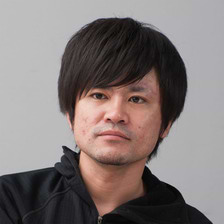
Tomofumi Hamano
Hirota: I think the Olympics generated significant excitement as content. What I'd like to ask you, Mr. Hamano, is how should we design such excitement? How do we make things exciting?
Hamano: Hmm, that's a tough one. This Olympics was a perfect fit for social media, which was fantastic. But you can't pull off events of that caliber every day.
Hirota: One thing is that raw, live feeling—like when something unexpected happens. It's like the old TV shows, not exactly "8 o'clock, everyone gather!" but creating a space where everyone can feel that heart-pounding excitement...
Hamano: That's the power of live broadcasts. Even before social media existed, watching something live—whether in the living room or on a street TV—and feeling that nail-biting tension in the moment was incredibly exciting. History proves it. From Rikidozan's pro wrestling matches to the Asama Mountain Lodge Incident, or even the Drifters' power outage incident—watching something live with that suspense became a powerful event that stuck in the collective memory.
Recently, the closest thing to that was the Olympics, which is why it generated such huge excitement. Moreover, in Japan's case, the broadcast happened to be late at night, so people couldn't exactly shout out loud. Instead, the excitement erupted on social media – that's exactly how it was. It hit the nail on the head this time.
Hirota: Sports are fundamentally designed by humans with set rules. Players compete within those rules, and the process of determining winners and losers is an absolute part of it. That's why it's so well-designed as content that gets people excited.
Hamano: That's right. Fundamentally, the key elements are "the outcome is still uncertain" and "you can cheer for someone." That's exactly what matches perfectly with "live broadcasts." It creates that heart-pounding suspense.
Hirota: "The outcome is still uncertain" is definitely the source of that "edge-of-your-seat" feeling, but besides sporting events like the Olympics, what other things let you "root for someone"?
Hamano: It might seem like a pretty extreme example compared to the Olympics, but groups like AKB really embody that. Take AKB's General Election – it's just a fan vote for idol members. People not participating probably don't find it very interesting. They'd wonder why anyone gets so hyped over it.
But I participated in the 4th General Election in 2012 myself, voting for a member, and watched it live at the Budokan. And man, it was unbelievably nerve-wracking and thrilling to watch (laughs). Because you have no idea what place your "favorite member" (the member you support) will get. You watch thinking, "Maybe she won't even make the selection circle," and you just can't sit still.
And when the rankings were finally announced and I saw the members' faces, my own emotions were stirred. What's more, I could actually go to the handshake event a few days later and say "Congratulations!" to the member I voted for. This entire process is designed so that the event transcends the "live broadcast" dimension, creating a chain reaction of raw emotions and communication. That's precisely why the AKB General Election becomes an Olympic-level, intensely nerve-wracking event, at least for the fans.
Hirota: An Olympic-level event? (laughs)

Hamano: What's truly impressive about AKB is how they skillfully channel this heart-pounding, edge-of-your-seat emotion into the appeal of their content. This isn't unique to AKB, but idol songs aren't just about the music itself. You develop feelings bordering on love for the girls dancing on stage, or you get all nervous and excited cheering them on—"Wow, she's really giving it her all! Oh no, she almost messed up! Hang in there!"—and then you hear lyrics that perfectly capture that exact psychological state. Somehow, that song starts sounding like a masterpiece (laughs). It's a kind of illusion mechanism.
This is similar to the "suspension bridge effect" in psychology. When two people cross a swaying suspension bridge together, the nervous excitement can easily lead to romantic feelings for the person beside you – a rather simple concept. Honestly, it sounds pretty silly when you hear it described like that. But in the social media era, content itself is increasingly expected to evoke this kind of "suspension bridge effect." More than anything, it's about how well such simple misunderstandings or illusions can make everyone collectively experience and share that heart-pounding excitement.
It's no longer necessarily the case that the quality of the content itself – whether it's creative, super cool, or has an amazingly crafted story and setting – is what heightens immersion. Rather, it's about how much the user can participate, how earnestly they can root for it, and how much they can feel that thrill and excitement. If you don't apply creativity to these points, it's becoming increasingly difficult to gain acceptance in the social media era. I think this is an unstoppable trend.
Hirota: Designing such trivial "misunderstandings" or "illusions" is incredibly difficult, isn't it...
Hamano: Exactly. It's not about scheming, "Let's secretly mislead users and make them dance." If it were that simple, everyone would be doing it (laughs). Instead, what's being questioned now is how sincerely content creators engage with their audience. Users' eyes are incredibly sharp, constantly watching. If something goes wrong, it spreads instantly on social media and becomes a scandal.
[ To be continued ]
Was this article helpful?
Share this article


Newsletter registration is here
We select and publish important news every day
For inquiries about this article
Back Numbers
Author
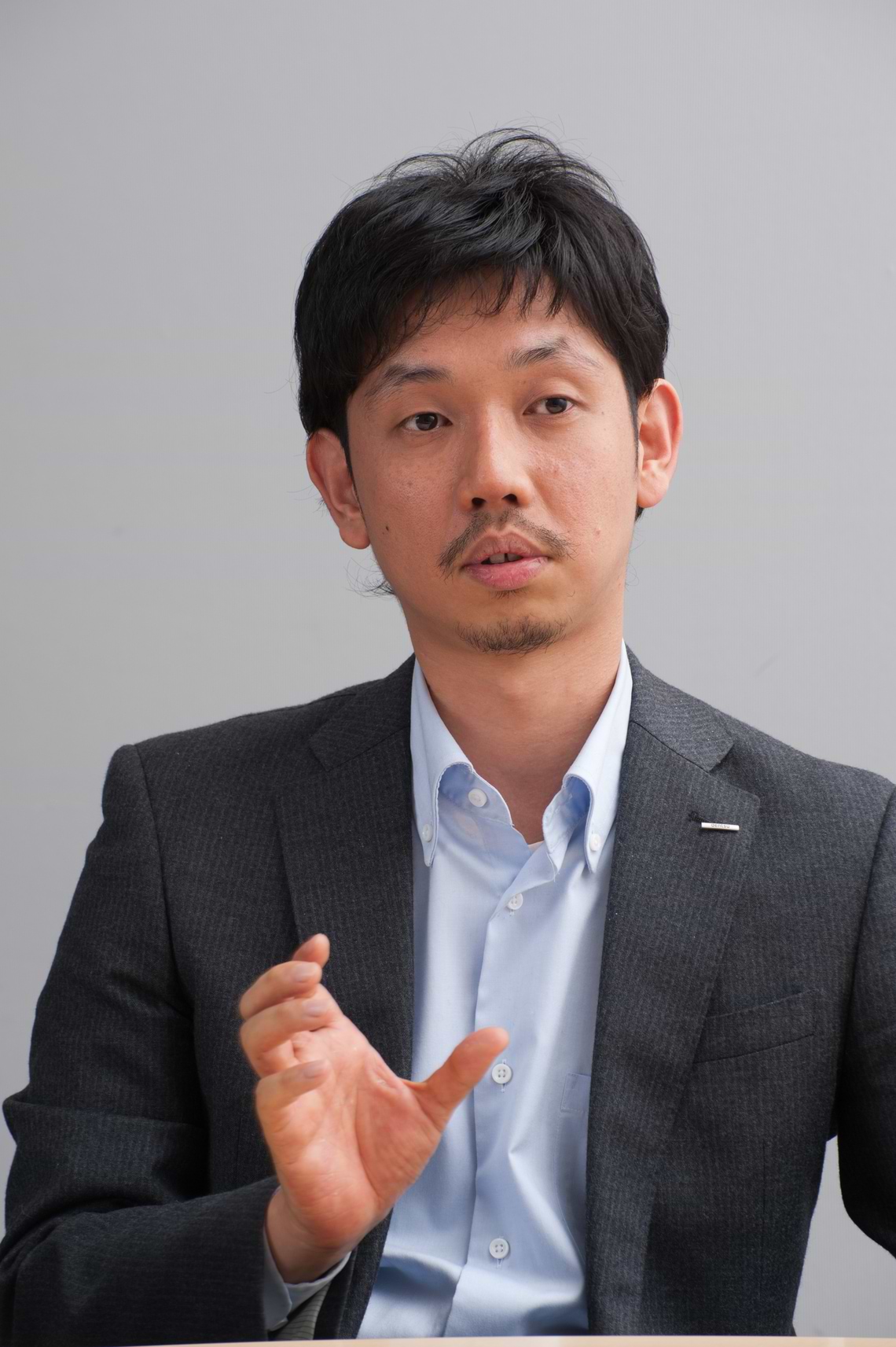
Shusaku Hirota
Henge Inc.
CEO / Director
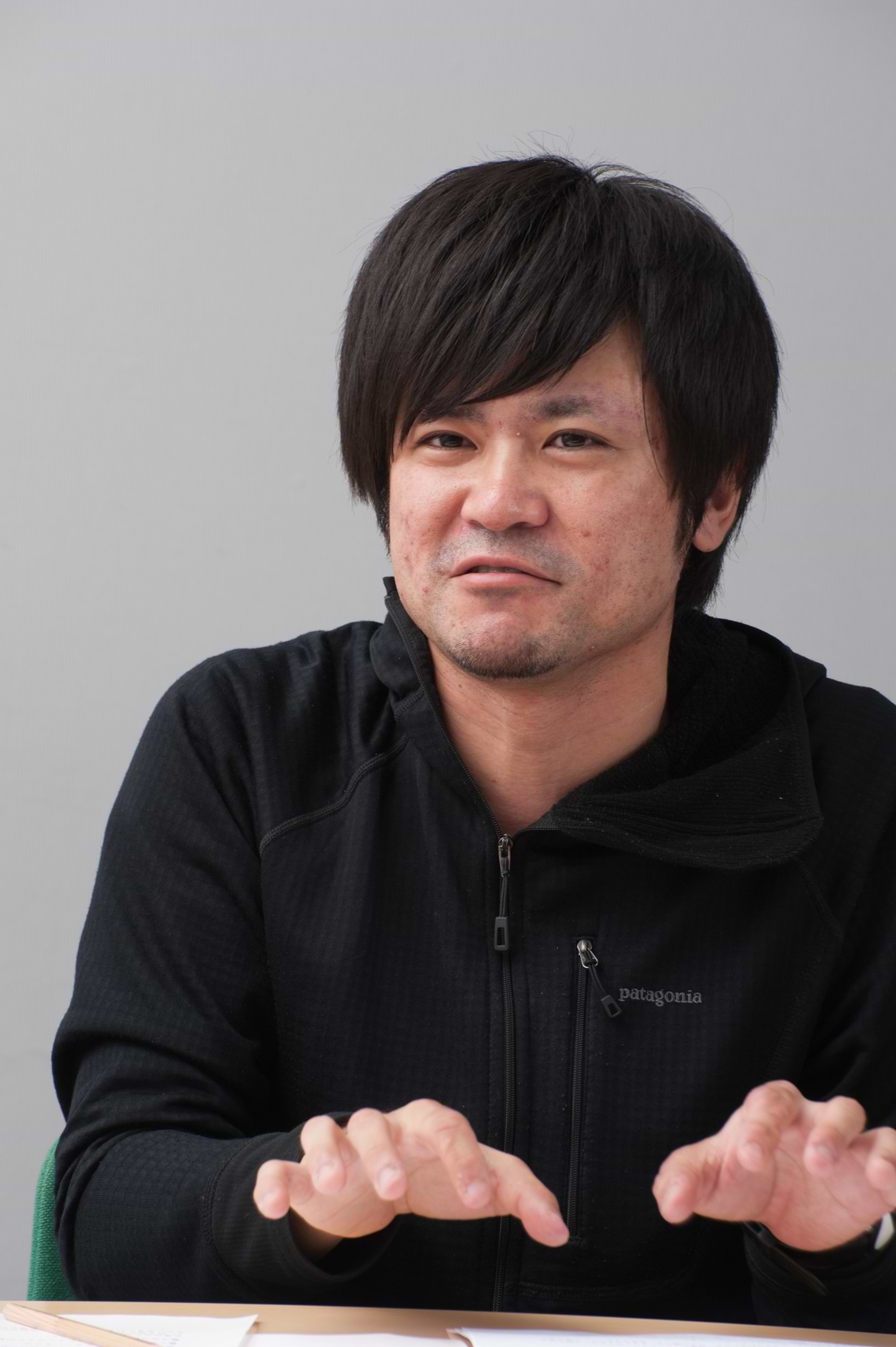
Tomofumi Hamano
Information Sociologist, Critic, and Japanese Arts and Crafts Researcher