
Note: This website was automatically translated, so some terms or nuances may not be completely accurate.
 A Better Relationship Between Television and Social Media [4/10]
Twitter: A Result of Poor Social Skills? ~ Japanese-Style Engagement
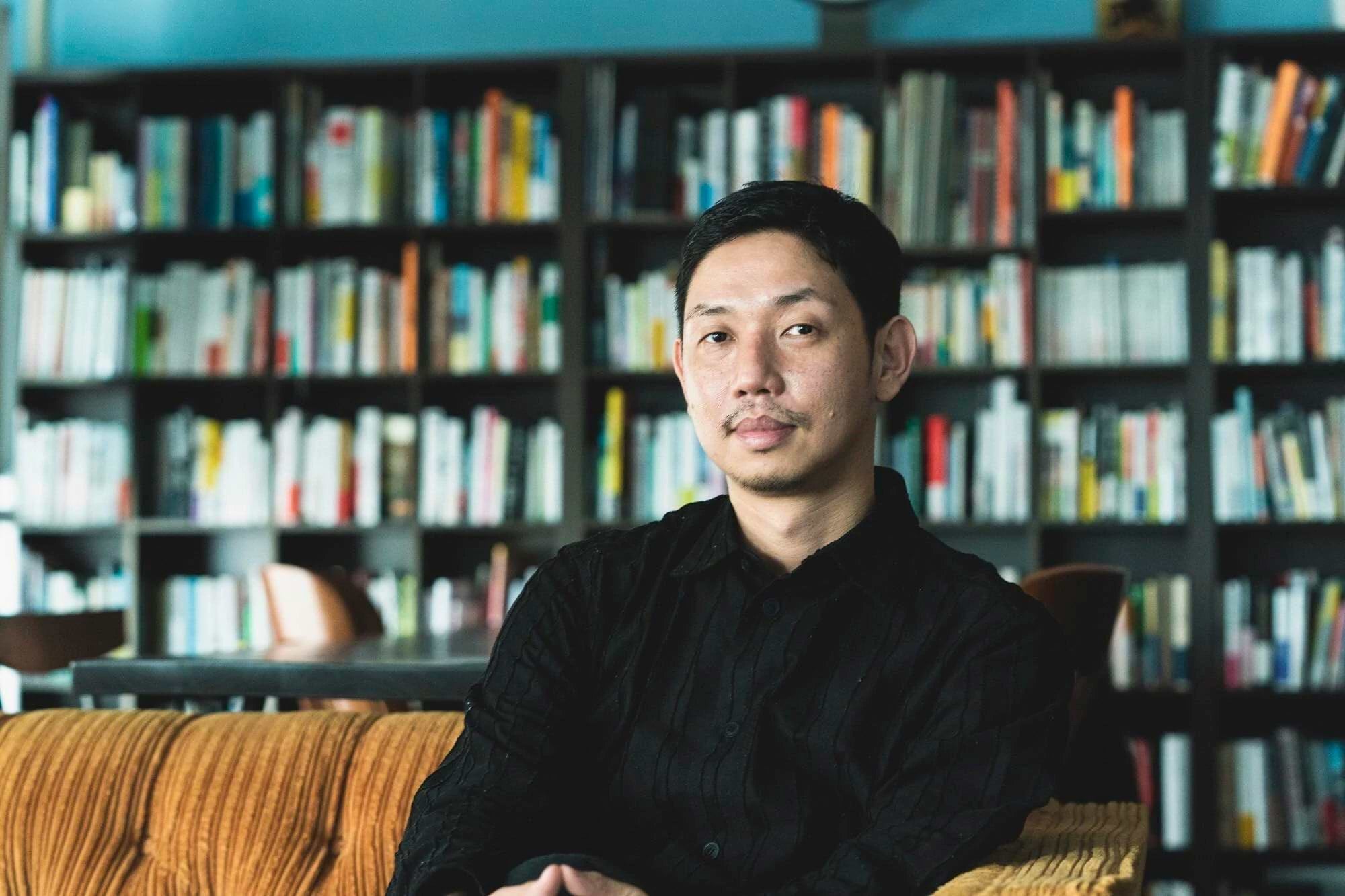
Shusaku Hirota
Henge Inc.
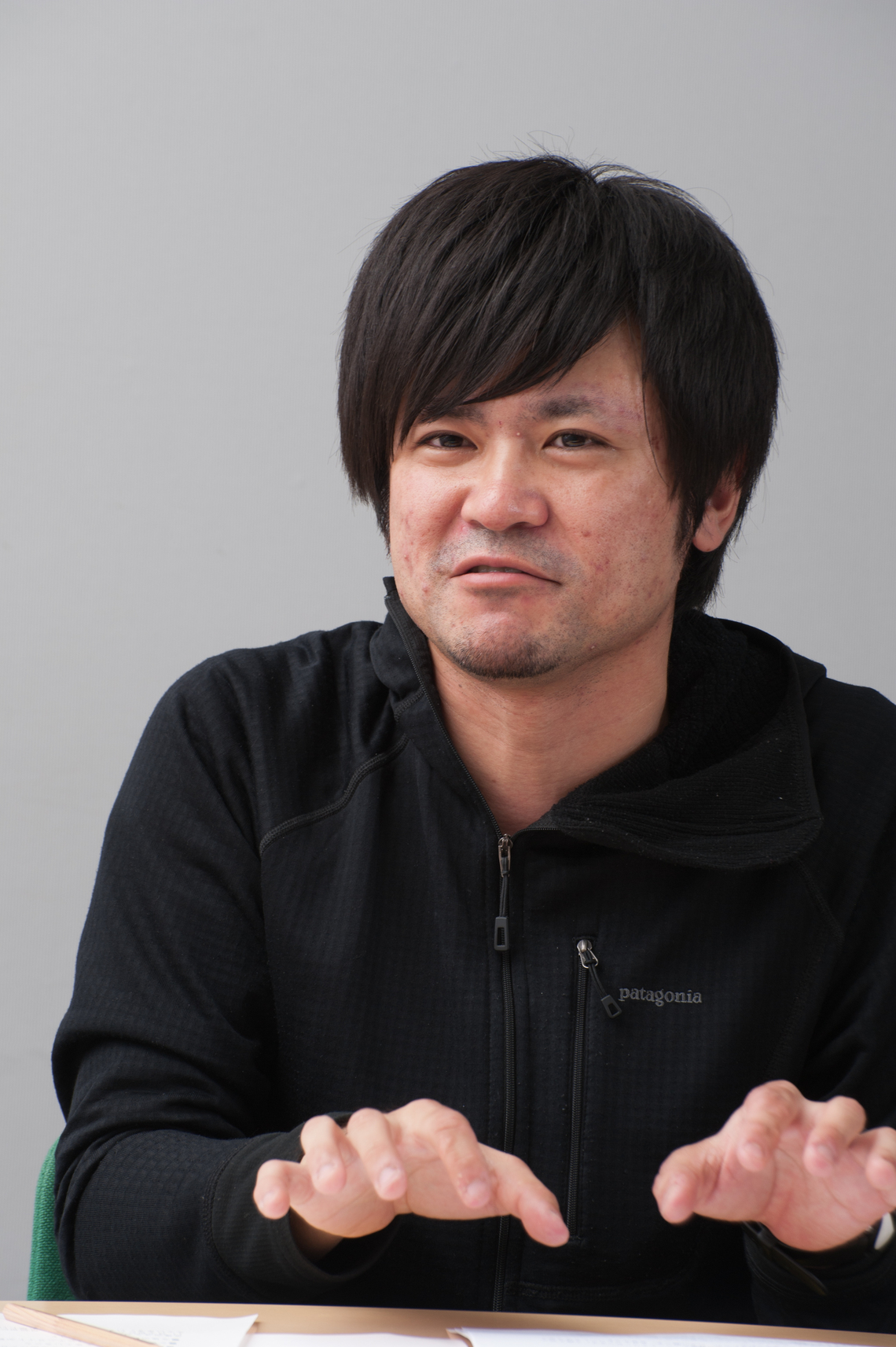
Tomofumi Hamano
Hamano: There's another type of multitasking viewing I find really interesting. It's the tweeting style of a geeky otaku※1 who basically stays home all day. Since this person is an anime otaku, they mostly tweet about anime while watching TV. But there's another distinct pattern: watching cooking shows and tweeting purely reflexively things like "Looks yummy!", "I'm starving!", or "I want ramen!"
This person tweeted over 200 times a day, to the point they forgot what they'd even tweeted themselves, just letting their subconscious spill out onto their Twitter timeline nonstop. As a result, reflexive "I wanna eat ××" tweets, like those about appetite, increased. But he said this also meant he got tons of replies from others, making communication flow better. Why? Because reflexive desire tweets are "easy for friends to jump on." If you tweet "I wanna eat ramen," it's easy for others to agree, "Oh, me too." It easily leads to action, like "Oh, if you're free, let's go then."
This idea—that "letting your unconscious desires spill out makes others more likely to go along with you"—is the key point, I think. And it's not even really "life logging" anymore. Until now, Twitter and social media were called "life logs," meaning records of life, or records of "what actually happened" (the past). But the example of the geek I just mentioned is about spontaneously thought-up desires, or proposals for "what I want to do next" (the future). Actually, when you ask him about it, he's constantly tweeting "I wanna do XX," but apparently he doesn't actually do most of it. It's like, "You tweeted you wanted this, but did you actually buy it?" "Nah, didn't buy it" (laughs).
At first glance, this seems incredibly casual. But when you just let those unconscious desires spill out unfiltered, your post count skyrockets. Most people only tweet about things they actually did that day—like which store they visited or what TV show they watched—meaning only about the past. So their posts usually stay in the tens at most. But I think the kind of information that might proliferate on social media going forward is "things I wanted to do but didn't actually do" – essentially, "desires about futures that didn't materialize." To put it a bit more abstractly, it's not "possible worlds" (worlds that could have been), but rather "possible desires."
Hirota: That's what people write as "will" on Twitter, right?
Hamano: Will, exactly. For those who want to analyze consumer behavior history by treating social media as a life log... these casual "Will"-type tweets, being mostly things that didn't actually happen, might not be the most useful information. But actually, when you think about advertising and marketing, I believe these "Will"-type tweets are more important. Not action histories, but histories of desires (that weren't actually realized) are what we'll likely be able to collect aggressively on social media going forward. Because they contain a far greater volume of information than "what actually happened" (action histories). I find it an interesting theme that "Life Will," not "Life Log," represents a scale vastly larger than the big data we currently talk about.
Hirota: So the word "will" actually carries a meaning like "Shall we" or "Let's" – a subtle invitation, right?
Hamano: Exactly, exactly. That's precisely it.
Hirota: Saying face-to-face, "Let's grab a bite," carries a big risk of rejection. So instead, you drop hints like, "I'm kinda craving ramen right now~" and let the other person pick up on it (laughs).
Hamano: The shock of being turned down is huge, right? The great thing about Twitter is you can just mutter to yourself, "I kinda want ramen." It's not directly "inviting" someone, but more like "inviting yourself."
Hirota: The surge in "standby" comments right before an anime airs might also be people saying, "I'm about to watch the show!" while subtly looking for someone to watch with.
Hamano: Then it becomes like, "I'm free too, I'll join," and more friends jump in. It becomes easier to get into the flow. In "SIPS" theory terms, it makes "participatory" consumption more likely to happen. This is a pretty important point. Conversely, I think we need to consider various ways of presenting information that makes such "participation" more likely to occur, that makes it easier to get into the flow.
Hirota: There's this professor at a university who says something interesting – he talks about "Japanese-style engagement." Since Japanese people aren't used to Western face-to-face culture like kissing, hugging, or shaking hands, they find it embarrassing to directly say, "Let's do something together."
Hamano: It's like a lack of social skills, isn't it?
Hirota: So, objects like TV programs come between people. By indirectly sharing them together, we can finally form loose connections. This kind of indirect engagement suits Japanese people better. In the context of our current discussion, it might be more comfortable to subtly hint at something like "Want to do something?" rather than saying it directly. There's a strong desire for others to read the air, so to speak.
Hamano: I think that's true. Despite talk of young people turning away from TV, there's also the phenomenon of TV topics thriving on social media. I believe that's because watching TV still serves as the optimal device for providing that loose engagement.
But you can't say TV is the absolute powerhouse anymore. Nowadays, it's not just TV; there's Niconico, YouTube, online games, and smartphone games. There are all sorts of places to hang out, and your usual friends are there. Earlier, I mentioned channel surfing as an example of content zapping, but social media, in a way, enables communication zapping. That is, you can easily switch and choose your communication partners through social media.
For me, if AKB is trending here, I might just watch that. You can find countless communication partners and places to connect over shared interests or topics. That's a big change from the past. But in this situation, if TV is strong, it's surprisingly likely that everyone is at home, the family is watching TV in the living room, and even if you're not paying attention, you're still exposed to it.
Hirota: The family is sort of in the same space, and the TV is on. So, if the TV has elements that effectively grab the viewer's attention, they'll keep watching, and there's potential for them to spread the information to friends. It gently invites friends to watch together! If the content has something that makes you go "Huh?" or something you just can't help but stare at, there's potential for a lot of viewers.
Hamano: I think that possibility exists.
※1 Geek-type... People with exceptional knowledge of computers and internet technology
〔 To be continued 〕
Was this article helpful?
Share this article


Newsletter registration is here
We select and publish important news every day
For inquiries about this article
Back Numbers
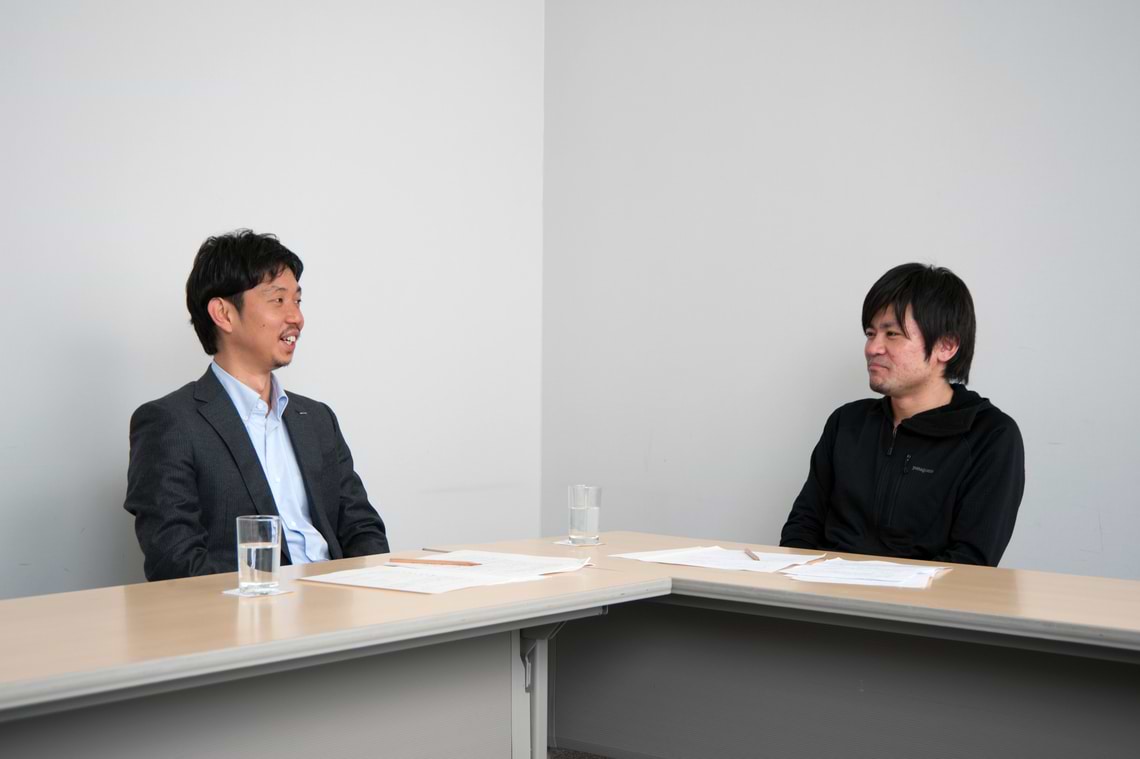
Author
Shusaku Hirota
Henge Inc.
CEO / Director
Tomofumi Hamano
Information Sociologist, Critic, and Japanese Arts and Crafts Researcher