
Note: This website was automatically translated, so some terms or nuances may not be completely accurate.
 A Better Relationship Between Television and Social Media [5/10]
The First Socialympics: The 2012 London Olympics
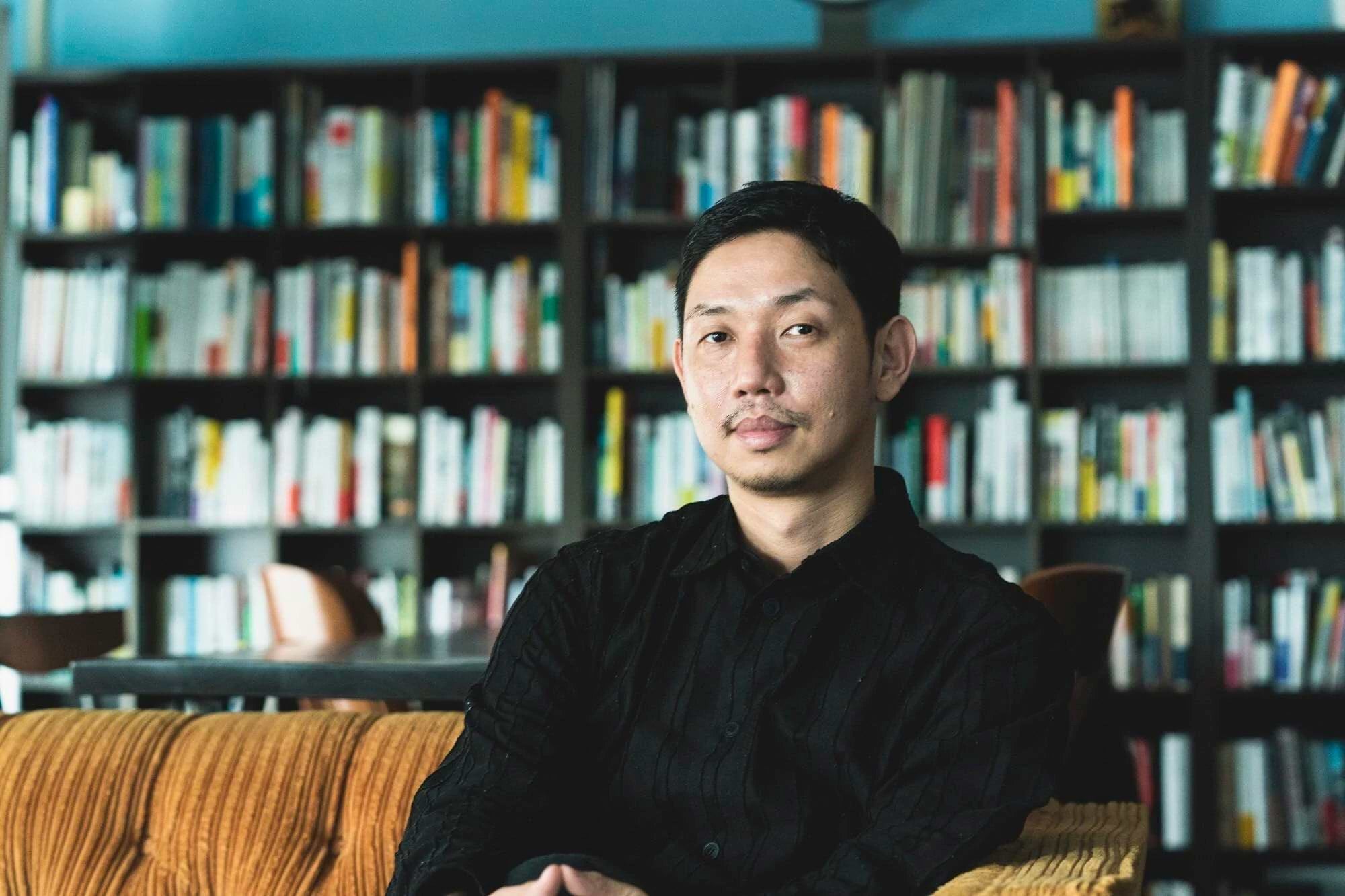
Shusaku Hirota
Henge Inc.
Tomofumi Hamano
Hirota: The 2012 Olympics were the first Olympics held after social media became widespread, so there's no precedent for comparison, but the result was that it was very much "tweeted about."
Hamano: They even called it the "Socialympics."
Hirota: Yes. It drew global attention, not just in Japan. According to Twitter, there were 125 times more tweets than during the Beijing Olympics. While the number of Twitter users was still low back then, setting that aside, the sheer volume of 150 million tweets was astonishing.
Another defining feature of the London Olympics was that athletes themselves naturally used social media, directly sending messages to their fans.
was a defining feature of the London Olympics. The IOC also created a hub called The Olympic Athletes' Hub, compiling links to each athlete's page and providing pathways for fans to show their support. As a result, social media buzz was incredibly intense. I believe there are three main reasons for this.
First, the "distance from the athletes" was dramatically reduced. This might also apply to popular idols these days, but while watching athletes compete in distant countries, their own voices—messages like "Thank you, everyone"—would reach your timeline almost simultaneously.
Hamano: That's incredibly important. When athletes stop tweeting right before a match—even those who usually do—you can share their "tension." You can even share the nervous excitement they must be feeling through their social media behavior.
Hirota: Yes, exactly. I think changing the distance is huge. The second point is the voices of support—meaning we can now share everyone's excitement and surprise together. In the past, even if you stayed up late cheering passionately in your living room watching TV, you couldn't connect with anyone. But now, by using hashtags on social media, you can share everyone's surprised reactions or voices of excitement.
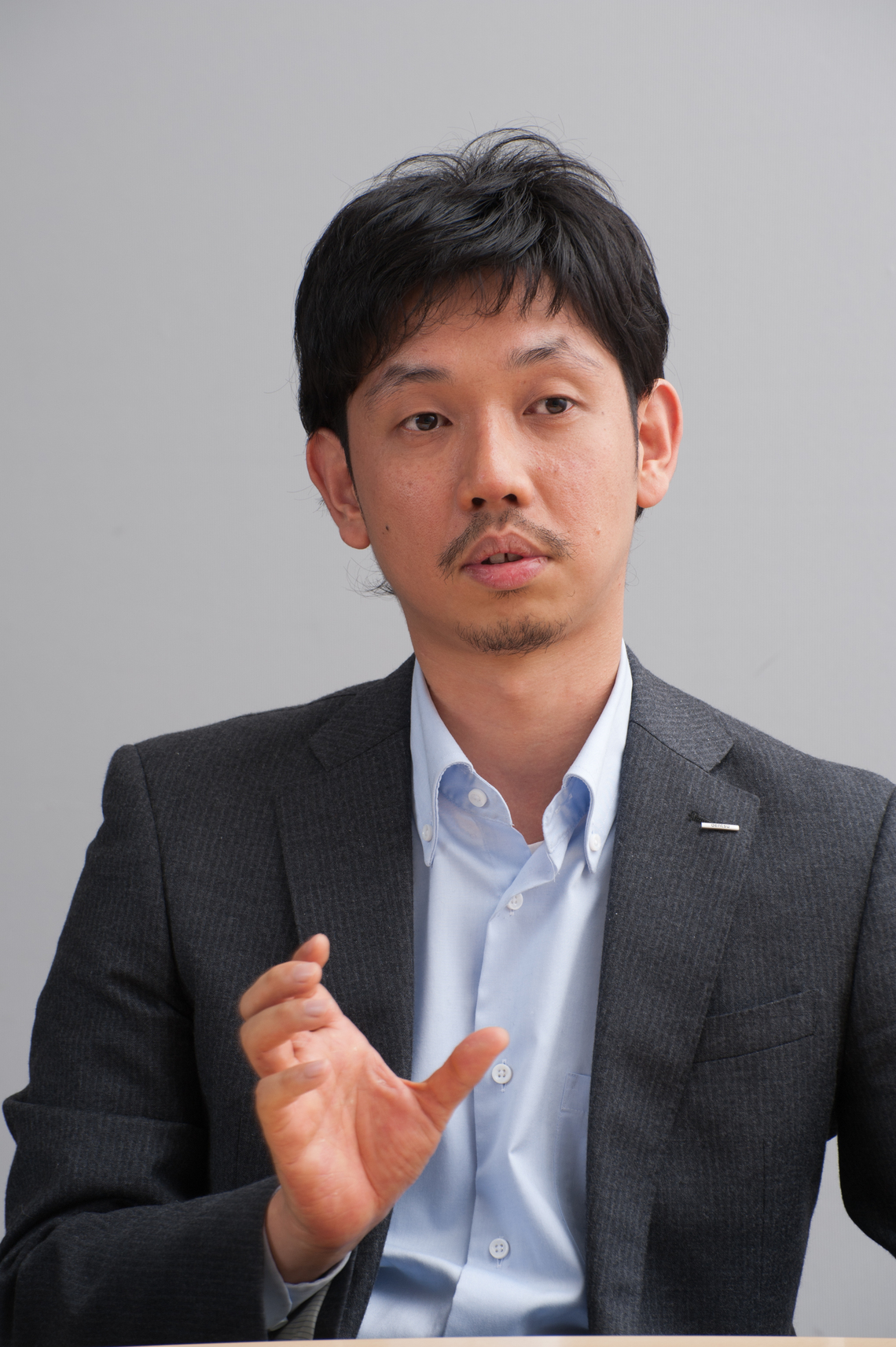
Third, it's become easier to notice which events are gaining momentum. Take archery, for example. Even though it wasn't getting much media attention beforehand, when Japanese athletes started performing well, the buzz spread instantly, creating a surge of excitement. Social media has this power to spread things instantly, so I think we're less likely to miss out on what's trending.
Looking at it this way, I think this Olympics wasn't just about the sheer volume of tweets; it also significantly changed how people watched. Even though it was late at night, or perhaps precisely because it was late at night—with constraints like not being able to shout out loud—it really fueled the excitement on social media.
Hamano: I see, I see. Precisely because it was late at night, people couldn't shout out loud in real life. So they shouted together and shared their excitement through "live commentary" on social media. That definitely happened.
[ To be continued ]
Was this article helpful?
Share this article


Newsletter registration is here
We select and publish important news every day
For inquiries about this article
Back Numbers
Author
Shusaku Hirota
Henge Inc.
CEO / Director
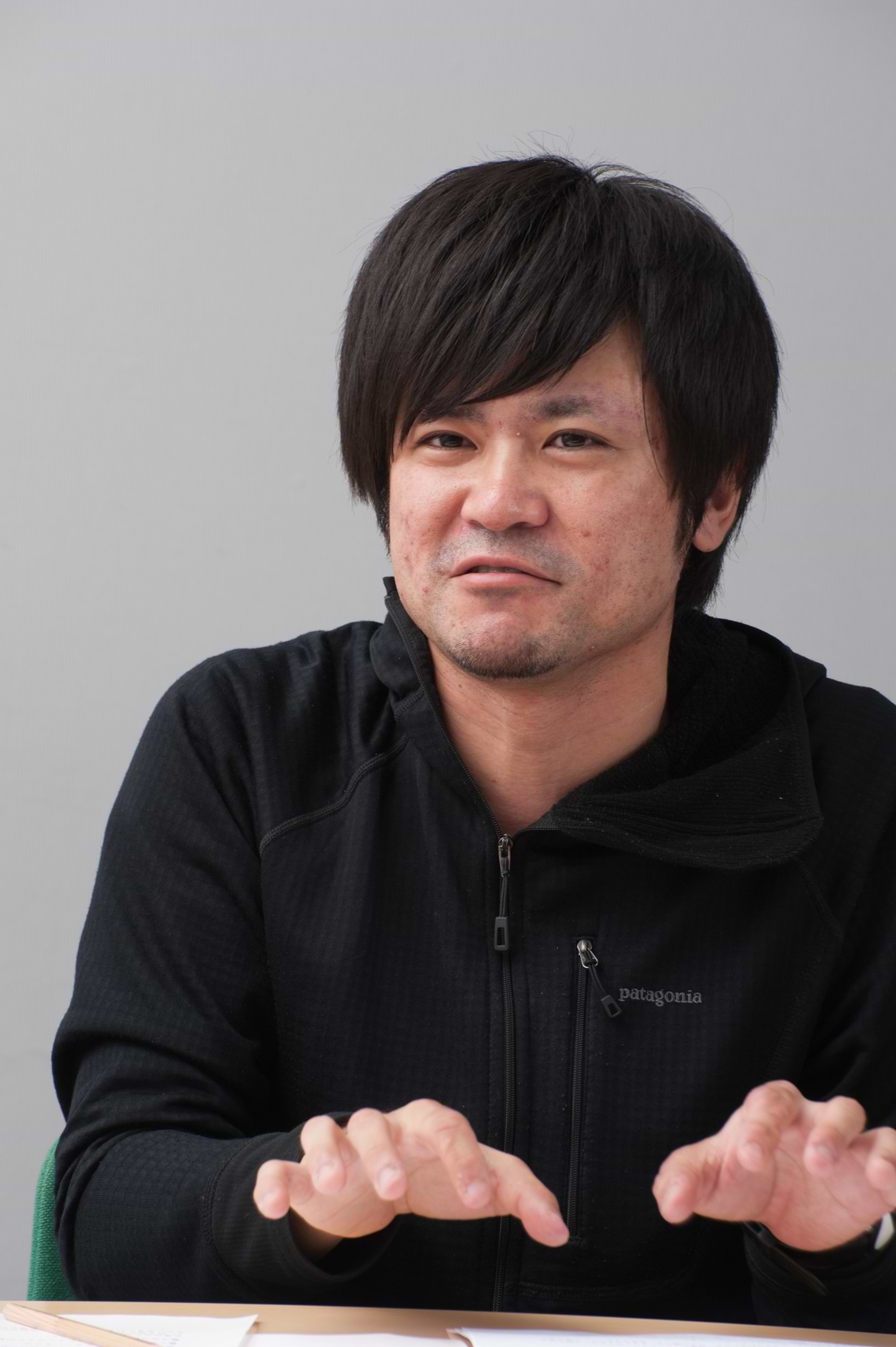
Tomofumi Hamano
Information Sociologist, Critic, and Japanese Arts and Crafts Researcher