
Note: This website was automatically translated, so some terms or nuances may not be completely accurate.
 A Better Relationship Between Television and Social Media [3/10]
Twitter might be passive
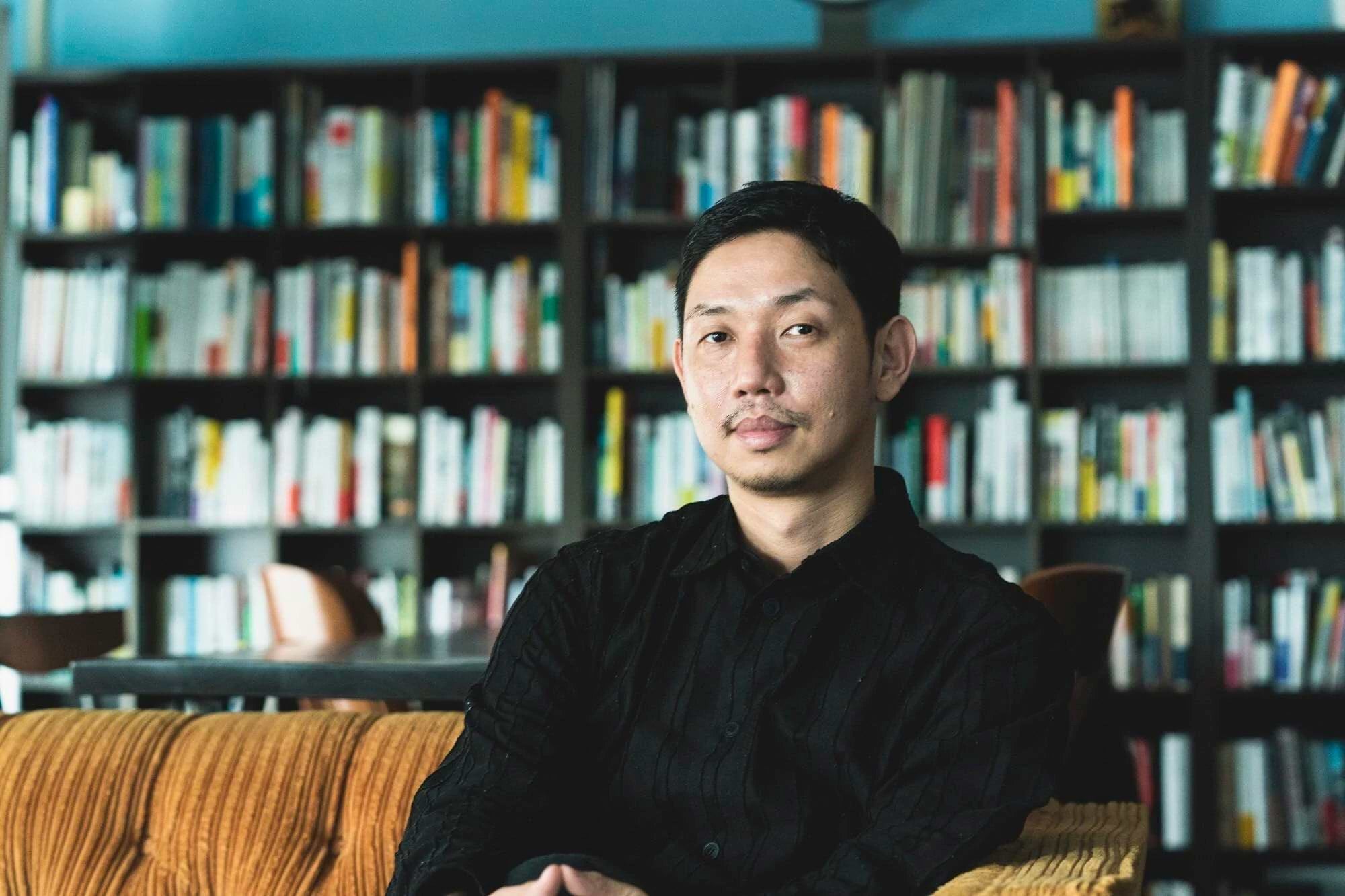
Shusaku Hirota
Henge Inc.
Tomofumi Hamano
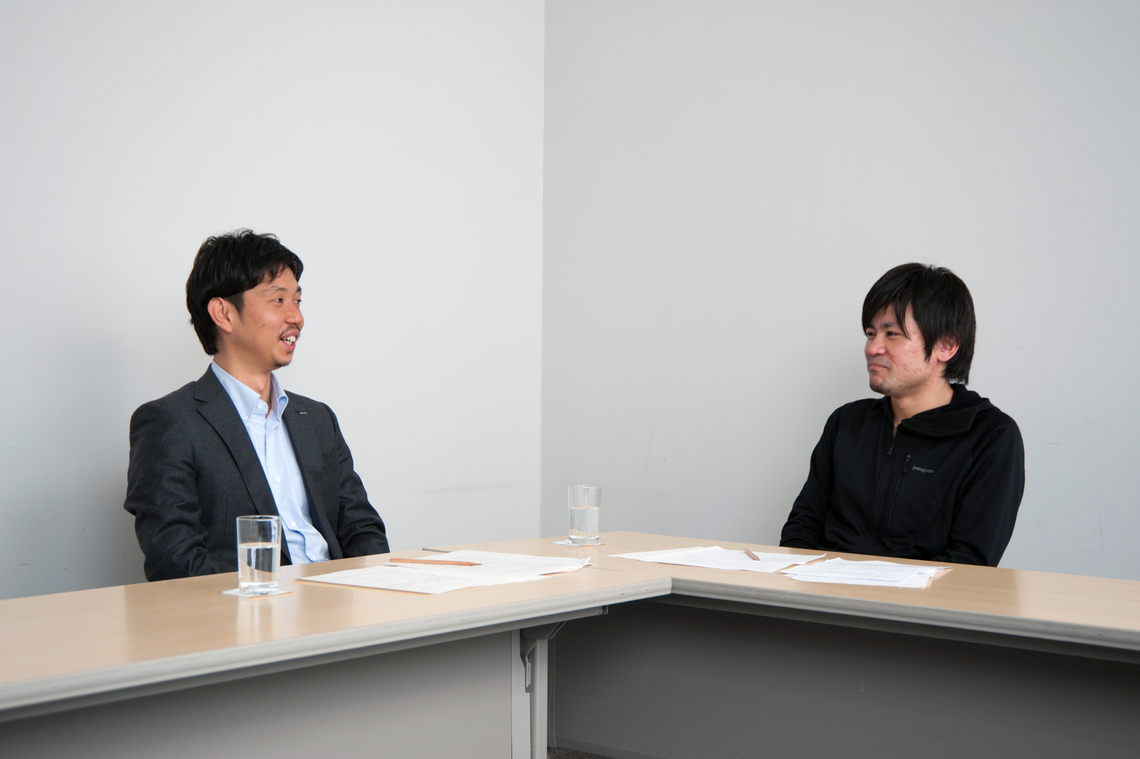
Hirota: So Twitter is more of a lean-back medium?
Hamano: Yes. The beauty of Twitter is its 'lean-back' nature—you can passively consume information, like leaning back in your chair. In fact, I feel a behavioral pattern is emerging where people passively watch Twitter while actively (pull-based) seeking out TV—though quantitatively, it's still small. My own research on multitasking viewing shows many cases where people switched channels because something was trending on Twitter. The user journey is shifting significantly.
Hirota: So TV is more about watching with intent, then?
Hamano: Yes. Especially when people think, "I want to watch this show," or "It's trending now, so I'll watch it," that's exactly that pattern. Conversely, you could say that unless you actively draw people to it, they're less likely to watch TV.
Hirota: For example, depending on the program, some get tweeted about a lot, some hardly at all, and some really take off after the broadcast ends. So even when people tweet, it could be real-time reactions and excitement, or it could be watching something like a serious documentary intently, then immediately after it ends, a flood of emotional comments pour in. Also, fairly conventional stuff doesn't get tweeted about much, but if it's too conventional, it might get tweeted about... there are all sorts of variations.
Hamano: There are many types. I've been thinking about this quite a bit myself, and I feel it's an area that's still largely unexplored and unanalyzed. I've been thinking about this too. People who tweet on social media while watching TV can be divided into several types. Among them, the "reaction type" is relatively common. It's the style of tweeting while watching TV, like "What the hell is this guy doing?" or "This is so lame." Actually, there are people who just talk to themselves while watching TV (I used to be that type myself (laughs)), and it's exactly that kind of feeling.
Also, people who are deeply immersed in watching programs with strong narrative elements, like dramas or documentaries, don't tend to write much while watching.
Hirota: Speaking of that, right before a show starts, you often see comments like "Waiting now." During the broadcast itself, people are focused on watching, so there aren't many comments. But after it ends, you frequently see a flood of tweets pouring in with reactions and critiques.
Hamano: It's that feeling of tweeting your thoughts after watching, right? Like, "That was great!" Sharing that excitement, repeating it, ruminating on it through tweets. You could call it a check-in, check-out style of tweeting.
Some people use it that way, while others just use Twitter as a substitute for channel surfing—killing time, looking for something interesting, and then going to whatever's trending when they see "Oh, what's △-chan trending now?"
Then there's the fan-girl/fan-boy type—like me, if an AKB member appeared, I'd blurt out "PARU-RU IS HERE!!!!" and just relentlessly chase my favorite talents. That style of tweeting could be about anime voice actors, reader models, or whatever—people who obsessively chase that kind of info. You see this Twitter usage more among younger folks.
Hirota: For anime, there are a lot of live-tweeting-style posts, right? (laughs) Not really commenting or critiquing, just relentlessly live-tweeting.
Hamano: Not everyone does live commentary, but it's something super fans who love a show do as a kind of affectionate expression. There are benefits too – doing commentary lets people around you know you're watching (though it often annoys them with too many posts (laughs)), and sometimes it leads to strangers following you, increasing your follower count.
Hirota: So, when you tweet assuming people with the same interests (often called the "○○ cluster") are watching, it also becomes a message to them, right?
In that sense, TV was already the ultimate medium for sharing the same moment. But the internet complements that by making sharing easier and making human connections more visible.
Hamano: That's right. So far, we've identified four types of multitasking viewing: "commentary-focused," "immersive," "time-killing/channel-surfing," and "trend-chasing." But we can add two more. One is the type where people constantly check news and relentlessly search for information they want to know. They watch news, information variety shows, or programs like the History Channel that are packed with information. When something unfamiliar comes up, they relentlessly search Wikipedia to satisfy their intellectual curiosity. This "information search type" of multitasking viewing is also a fairly common category.
There's also what could be called the "public opinion mapping" type. For example, when watching the news, you encounter sensitive issues where opinions are bound to be divided. At such times, you might feel, "I feel this way about the issue, but what do people in the world think?" – a desire to understand your position within society. In the past, people would map their position in society using the yardstick of the opinion pages: "The Asahi Shimbun says this, the Yomiuri Shimbun says that, conservatives say this, but I think this and that."
But today's young people? They're not reading both the Asahi and Yomiuri side by side. Instead, they turn to Twitter. It's like a side-by-side comparison of both arguments, or rather, to see which way public opinion is leaning right now. Weirdly enough, you can visualize that just by searching Twitter. "Oh, people are saying things like what I thought, and others disagree? Huh." Issues that were once mediated by intellectual authorities like newspapers or opinion journals are now being critically assessed by individuals on Twitter. Of course, some might scoff that the internet is full of biased opinions and trying to find balance there is futile, but the point is, if you want to do it, you can.
Hirota: Recently, there's a late-night program called "Nippon no Min'i" (Fuji TV, Mon-Wed 24:35-24:40, Thu 24:35-24:45) that actually aggregates opinions from social media. Also, shows like "World Business Satellite" (TV Tokyo, Mondays-Fridays 11:00 PM) are increasingly doing what you might call social listening—asking viewers for their opinions, compiling them, and then feeding that back.
[ To be continued ]
Was this article helpful?
Share this article


Newsletter registration is here
We select and publish important news every day
For inquiries about this article
Back Numbers

Author
Shusaku Hirota
Henge Inc.
CEO / Director
Tomofumi Hamano
Information Sociologist, Critic, and Japanese Arts and Crafts Researcher