Note: This website was automatically translated, so some terms or nuances may not be completely accurate.
 Mi-Life Innovation 2025 [1/6]
IoT = The 2nd Innovation Era
Since the decision to host the 2020 Tokyo Olympics and Paralympics, opportunities to discuss the "future" five to ten years ahead seem to have increased dramatically. In this series, while introducing our Dentsu Inc. Marketing Solutions Bureau project "Mi-Life Innovation 2025," we aim to explore how we can envision the future, starting from the evolution of technology and Life Innovation.
The Challenge of Weaving "Technology" into Future Scenarios
Thinking about the near future—five or ten years ahead—is exciting and stimulates the imagination. Yet, translating that into concrete scenarios is incredibly difficult. We believe the particular challenge lies in how to weave in the element of "technology."
One well-known framework for creating "the future" is "PEST analysis." This analytical method takes its name from the initials of four elements: P (Politics), E (Economy), S (Society), and T (Technology). Anyone who has attempted this analysis even once will recognize that the first three elements—P (Politics), E (Economy), and S (Society)—can be derived fairly comprehensively by logically extracting relevant items.
However, the final element, "Technology," is the most challenging. While it represents a variable with significant influence—what technologies will emerge and how they will impact society—it also has the greatest margin of uncertainty when it comes to prediction.
Conversely, when starting from "Technology" to envision the future, we often face the challenge that it inevitably leads only to "future lifestyle scenarios" visible as extensions of existing technologies. This seems to be a common challenge among companies actually engaged in technology R&D, and it appears to be the background behind the frequent consultations our team receives.
Therefore, our "Mi-Life Innovation 2025" project defines the changes brought to our lives by "the evolution and adoption of technology" as "Life Innovation." We aim to explore the core of this Life Innovation while envisioning life scenarios and new services for 2025.
The 1st Life Innovation was the revolution of "distance"
It's widely agreed that one of the technologies most impacting our lives in recent years was the emergence and spread of the "Internet." So, what exactly was the core Life Innovation the Internet brought us?
We believe it was "distance."
The explosive proliferation of mobile phones and smartphones normalized the use of email, chat, and social media, eliminating the distance between people. Furthermore, the widespread adoption of online shopping eliminated the distance between people and stores. And above all, the normalization of searching for information online eliminated the distance between people and information.
In other words, I believe the first major innovation brought about by the advent and spread of the internet over the past 20 years was a revolution concerning "distance."
Key Technologies Driving 2nd Life Innovation
Meanwhile, a new technology trend has been emerging since around 2014: IoT (Internet of Things). This concept extends beyond mobile devices to encompass the connection of virtually everything to the internet.
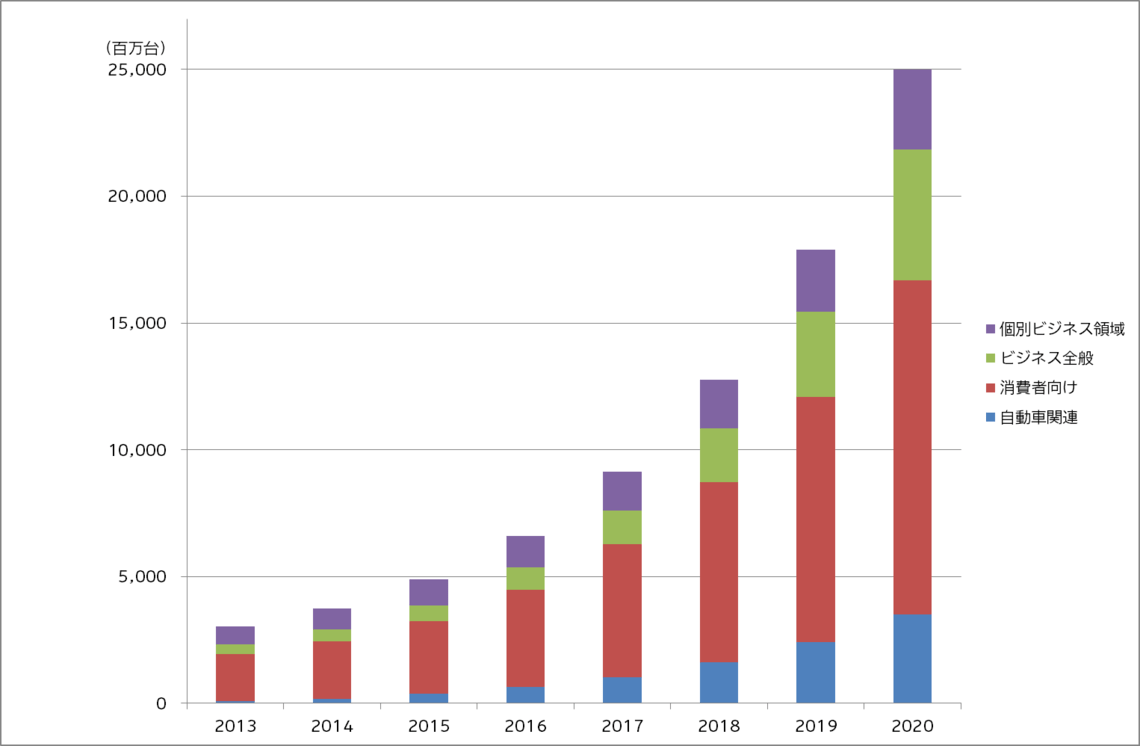
According to predictions by Gartner, the IoT market is expected to expand rapidly over the next five years, surpassing 25 billion connected devices by 2020.
Considering this IoT trend, let's examine the key technologies expected to form the core of the next wave of 2nd Life Innovation.
[IoT Device Adoption Forecast]
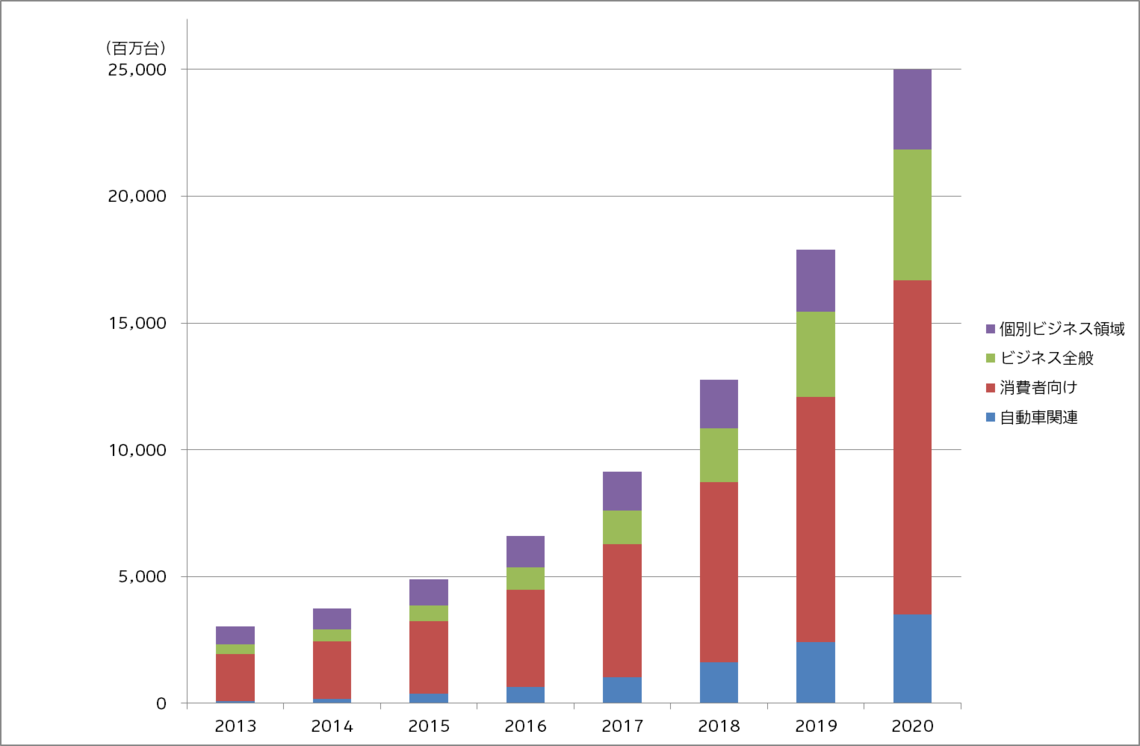
Created by the author based on Gartner (November 2014)
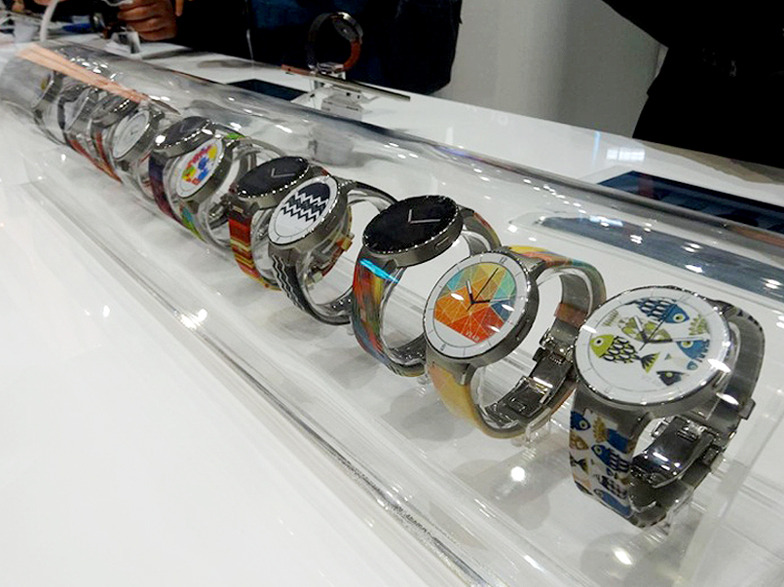
Smartwatches
It's no exaggeration to say this is the most attention-grabbing area at global tech shows like CES (Consumer Electronics Show) and MWC (the world's largest mobile exhibition).
As smartwatches become more widespread, people may gradually be freed from constantly touching their smartphone screens. These wearable devices could link time to schedules, locations, weather, and relationships, prompting users with insights that encourage new actions—essentially shifting from "watching" to "being aware." Such a future may be on the horizon.
Automobiles
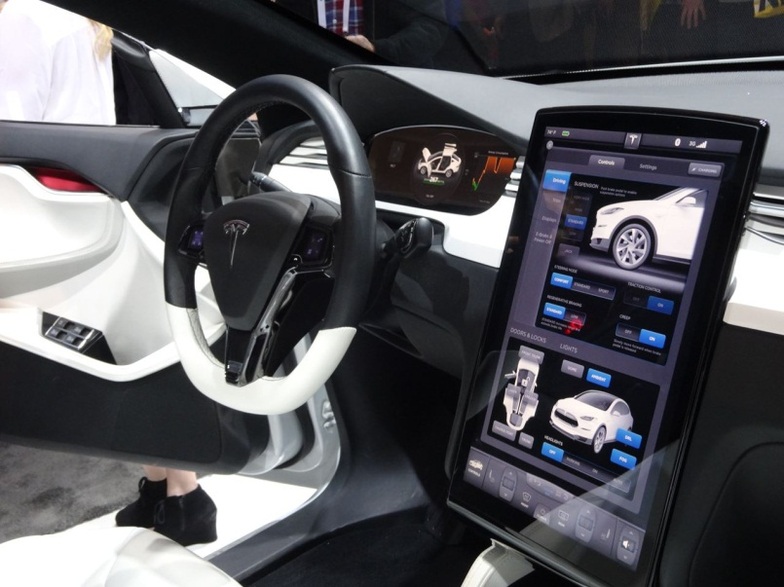
In recent years, automakers have become a major force at technology shows.
As a global product, automobiles have traditionally maintained their product appeal through standalone devices. However, based on the "Connected Car" concept—which incorporates communication modules—cloud integration and smartphone connectivity are becoming the means to create new products and services.
Particularly with the future acceleration and sophistication of communication networks, the fusion of driving and network technology, including "autonomous driving," is likely to become a major development theme.
Authentication, Payment, and Sensing Technologies
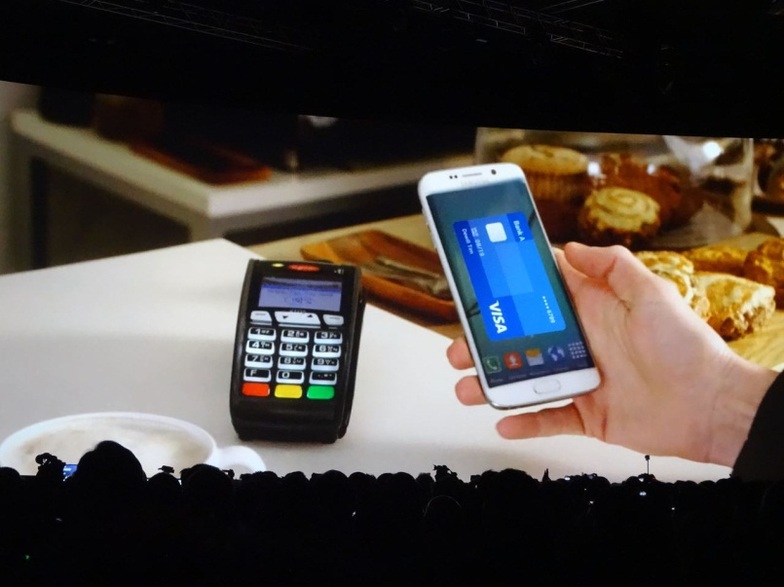
Research and development of next-generation solutions to eliminate the distance between people and the internet, and between people and objects, is also being actively pursued. Navigation, sensing technology, biometric authentication, payment systems, and more...
We are entering an era where we must consider what elements are necessary for these technologies to become established in daily life, and what kind of service and product "design" is required.
In future installments, we plan to introduce approximately 20 specific future lifestyle scenarios created by Dentsu Inc.'s 'Mi-Life Innovation 2025' project.
Stay tuned!
★What is "Mi-Life Innovation 2025"?
A project formed by members with proven track records in proposing business and marketing strategies—from creating to growing technology markets—centered around the 'Dentsu Mobile Project,' which tracks actual IT usage. It forecasts the future by thoroughly investigating consumer insights amid the digital shift in the media environment.
Was this article helpful?
Share this article


Newsletter registration is here
We select and publish important news every day
For inquiries about this article
Author

Tadayasu Inoue
Dentsu Inc.
Data & Technology Center