Note: This website was automatically translated, so some terms or nuances may not be completely accurate.
 Final Experience Guide: 4 Keywords to Avoid Missing Out [6/6]
Livelihood Words (Part 2)
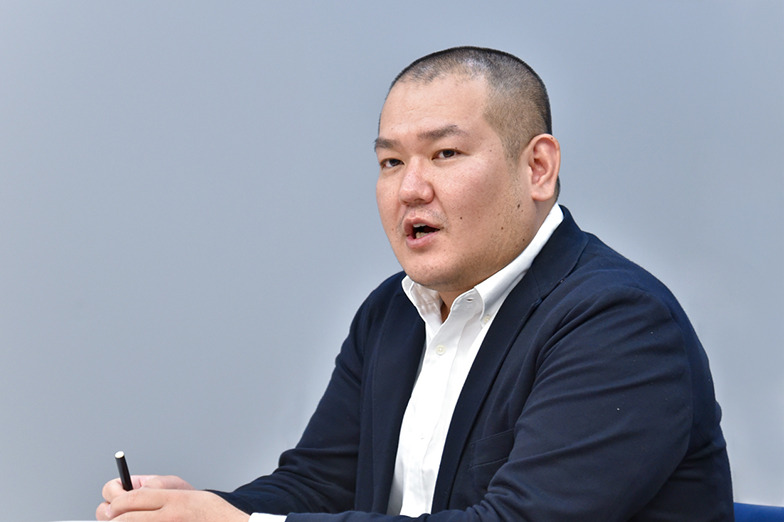
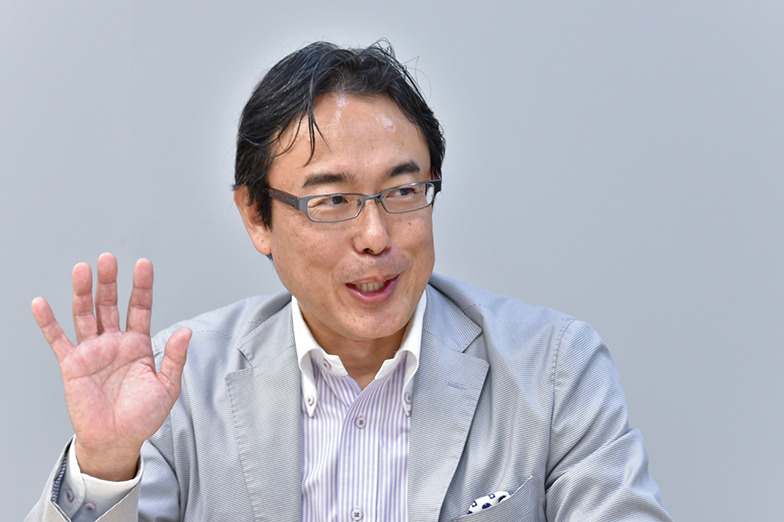
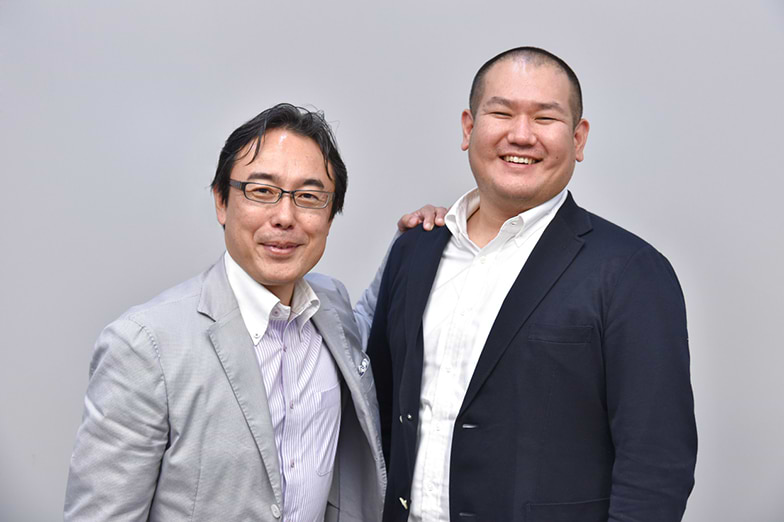
Takashi Asaoka
Delight Design Co., Ltd.

Takuya Kagata
Dentsu Inc.
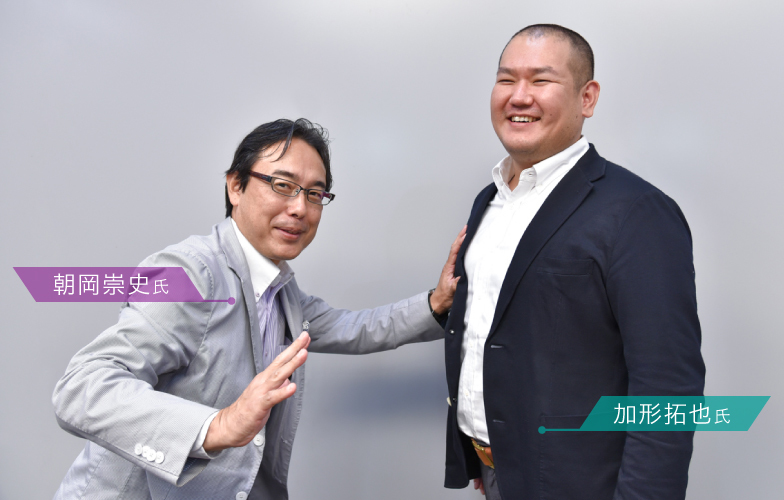
The "livelihood word" represents the ultimate brand experience value a company promises its future customers. Backcasting from this ideal vision to create a roadmap is, in essence, nothing less than a complete overhaul of the marketing process. In the second part, we will delve deeper into the relationship between the affection cultivated over time and experience design, using case studies.
Revamping the Marketing Process by Backcasting from the "Livelihood Word"
Asaoka: In the first part, we introduced the case of Housing Equipment Company A, where cross-functional team activities focused on discovering future "livelihoods" from customer value led to a company-wide movement. The "livelihood word" is, in essence, the "near-future goal of the brand experience."
The key here is to strategize by backcasting from the goal. Without this roadmap, even after defining the "livelihood word," you might lose your way down the line. By the time you try to translate it into products or services, you might realize you've ended up somewhere completely different from the "livelihood word."
To prevent the roadmap from becoming merely a dream scenario, it's essential to organize the service plan for achieving it chronologically. Using the "livelihood word" goal as the starting point, backcast to plot what needs to be done and when it should be completed along the timeline. In fact, I believe this process itself fundamentally renews the marketing process.
Kagata: That's right. Of course, departments like corporate planning likely create chronological plans for what needs to be done. But I think the reason Company A has successfully connected to the next movement is because they thoroughly discussed and refined these plans at the operational level, where the business actually happens.
Asaoka: Exactly. From an internal branding perspective, developing "Nariwai Words" is incredibly effective. In the second installment, " Orchestration," we discussed how an organization is like an orchestra—and that's absolutely true.
When the theme is strengthening the organization through internal branding, town hall meetings with top management or creating internal videos often come up immediately. But this approach is fundamentally different. From frontline sales staff to R&D personnel to back-office support, every individual takes ownership, explores ideas for future brand experiences, and strives to realize them. I believe this activity itself yields enormous results in strengthening the organization and unifying the company.
The equation: "Affection = (Expectation + Trust) × Time"
Kagata: Witnessing the transformation within companies really drives home that sense of unity. Also, being involved in this experience design, I felt a tangible sense that it could have a very positive, medium-to-long-term impact on customer loyalty.
Asaoka: That's an excellent perspective. I've often reflected on customer loyalty myself, and I believe its essence lies in the value of "attachment." This is also deeply connected to "time," which seems to be an underlying theme here.
Attachment is that feeling where your heart is strongly drawn to something you've grown familiar with over time, making it hard to let go. I've researched and formulated my own equation for how this attachment develops. It's my personal theory, so I can't be certain, but this is what I think it might be.
Attachment = (Expectation + Trust) × Time
Expectation is that thrilling, heart-racing feeling when you encounter something that far exceeds your assumptions. Trust is exactly what it sounds like: the sense of leaning your heart toward a brand, believing it is reliable and dependable. These two elements are incredibly important. Moreover, providing them to customers at just one point in time is meaningless; it's only through continuous provision that "attachment" truly develops.
Defining "livelihood words," drawing a roadmap, and putting them into practice—in other words, continuously promising those "livelihood words" to customers over time—is the essence. This activity itself creates the core "attachment" within the brand experience, ultimately keeping customers loyal over the long term.
Kagata: The idea that "attachment" is born from time really resonates. Working towards realizing the "core value" directly becomes the activity that fosters attachment. Providing innovative products certainly meets customer expectations, but nowadays, that alone doesn't seem enough to aim for building "attachment."
While generating immediate sales is undoubtedly important, when considering a brand's long-term survival, I feel we need to elevate the priority of investing time in building relationships with customers, with an eye on the future, to an equal level.
Asaoka: That's right. This also changes a company's marketing Key Goal Indicators (KGIs) and Key Performance Indicators (KPIs). Previously, the ultimate goal was to sell. Now, the goal becomes ensuring customers continue to have rich experiences and develop "affection" for the brand. The structure must be such that sales naturally follow as a result. Simultaneously, designing marketing that fosters this "affection" will also lead to brand differentiation going forward.
BMW centers on experience; Nike supports users
Asaoka: A highly instructive example here is BMW, which has long championed "Sheer Driving Pleasure" as its brand slogan. For over 50 years, they've anchored the core of their premium brand value in the emotional elements customers feel. This fundamentally positions them not merely as an "automobile manufacturer," but as a "business that creates the joy of driving."
What's even more fascinating about BMW is how they leverage this accumulated customer affection in their subsequent marketing. Specifically, they launched the " #BMWstories " website, inviting users worldwide to share their personal experiences with BMW. They curate and aggregate content users post on Twitter and Instagram with this hashtag. Each of these submissions becomes evidence, creating a difference in the value of the brand experience – specifically, the difference in accumulated "affection." In other words, the presence or absence of this continuity over "time" becomes the very driver of brand differentiation.
Kagata: Users also reaffirm how much affection and trust they've placed in BMW over time by posting, right?
Asaoka: Exactly. You have people driving the latest BMW, those who've cherished and driven a 30-year-old model, and those who started with a used BMW. But what they all feel is the "joy of driving." I think this strong "attachment" resonates well even beyond BMW users.
Also, looking at recent major shifts in marketing communication direction, I'm watching Nike closely. In the 80s and 90s, Nike used superheroes everyone admired, like Michael Jordan, for short-term, stimulus-driven promotions centered on TV commercials. But after social media emerged, they shifted to a low-key yet relatable approach, supporting communities of customers who diligently pursue sports.
Kagata: Ah, like the Nike+ platform for runners, for example.
Asaoka: Exactly. A recent symbolic example is Nike Golf's "Ripple," which won a Gold Lion in the Film category at this year's Cannes Lions. As the title suggests, it aims to show how a single small spark can spread like ripples and lead to significant results.
It depicts Rory McIlroy, the 2014 World Number One in men's golf, who was inspired by Tiger Woods to take up golf as a child. Through relentless, blood-sweat-and-tears effort, he eventually played a round with Woods on the PGA Tour. The process is shown with a documentary-like touch, clearly conveying the passage of time.
Ultimately, both McIlroy and Woods are merely symbols of Nike's users. The theme is Nike's commitment to supporting the many people who love golf and strive to improve their skills. Building communication by backcasting from a customer-centric brand experience fundamentally changes the approach from previous methods.
Experience design integrates the "corporate entity" with the "human being."
Asaoka: At the beginning, Kagata-kun shared his real feeling about witnessing the moment when companies start sounding like an orchestra moving toward the future, since joining my team in April. While it's undeniable that homogenization and maturation are progressing, creating a sense of stagnation in the market, I believe that in such an environment, only bold players who change the rules of the game will win.
I firmly believe that designing future experiences is one effective means to achieve this, and I feel a tangible sense of progress in Dentsu Inc.'s ability to contribute, even if only to some extent, to revolutionizing corporate marketing processes.
Was this article helpful?
Share this article


Newsletter registration is here
We select and publish important news every day
For inquiries about this article
Author
Takashi Asaoka
Delight Design Co., Ltd.
Takuya Kagata
Dentsu Inc.
Global Business Center
Chief Business Design Director
Final Experience Guide: 4 Keywords to Avoid Missing OutCivic Tech: Solving Local Issues with TechnologyThinking with the Right Brain and Left Brain: The Future of Advertising Agencies and Consulting FirmsLocal "quirks" hold the key! How to build sustainable regional economiesDentsu Group's 72 Visions of the Future: "Future Mandala"The Case for “Freelance” Careers