Note: This website was automatically translated, so some terms or nuances may not be completely accurate.
An Unprecedented "Simultaneous Viewer Participation TV Commercial" ~The Power of Television and the Challenge of a New Advertising Approach~

Yasufumi Shinpo
Dentsu Inc. Vietnam Co., Ltd.

Kenichiro Tanaka
HAROiD Co., Ltd.
Hideaki Haruta
Dentsu Inc.
A TV commercial aired twice, on September 20th and 27th, within the Nippon TV program "Odoru! Sanma Goten!!" slot. Titled "Absolutely Don't Press It! Get Hyoketsu ~Join the Ostrich Club's Classic Gag Together!~," it aired only once each day. This campaign allowed participating viewers to receive one free bottle of Hyoketsu at convenience stores on a first-come, first-served basis. Despite the constraints of a mere 60 seconds × 2 times and the requirement to participate live using smartphones, viewers reacted to the repeated "Absolutely don't press it!" calls, recording approximately 6 million taps. All 150,000 sampling product application rights were claimed by the first applicants, marking a successful outcome.
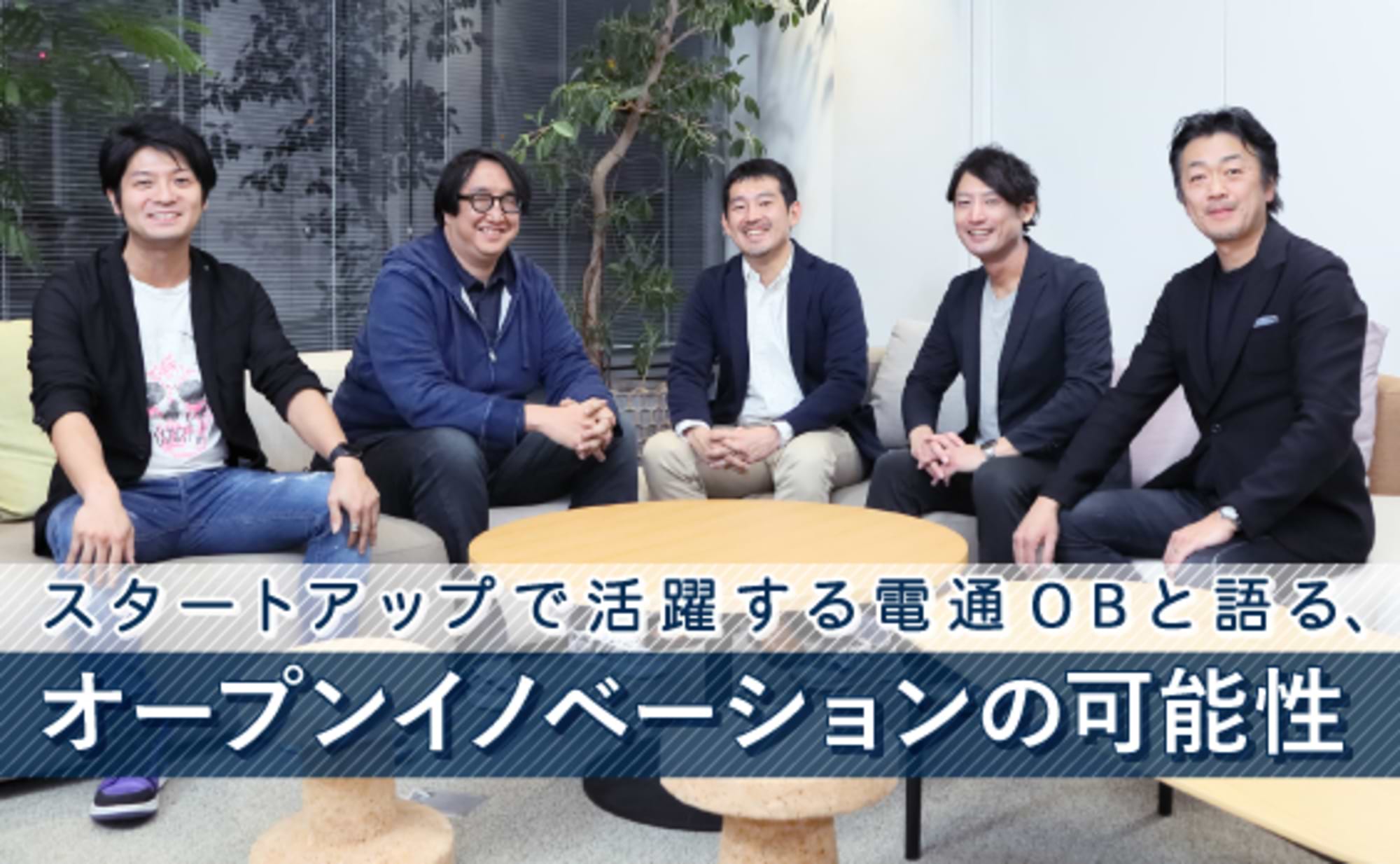
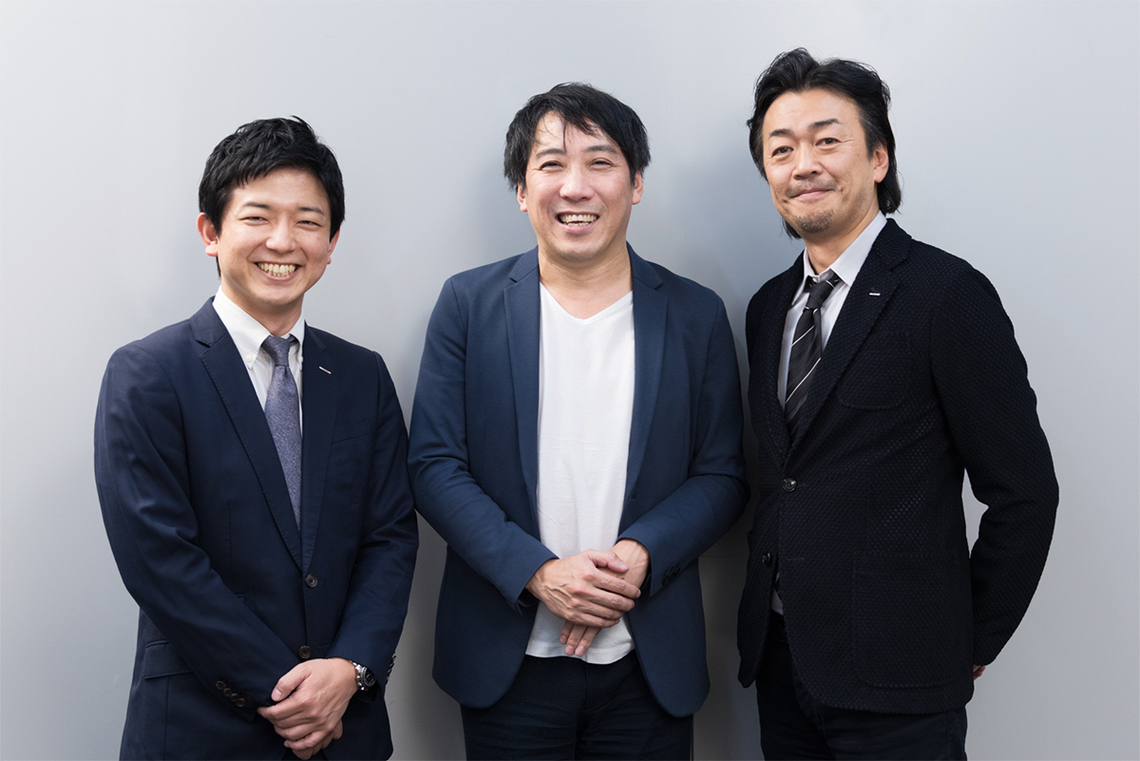
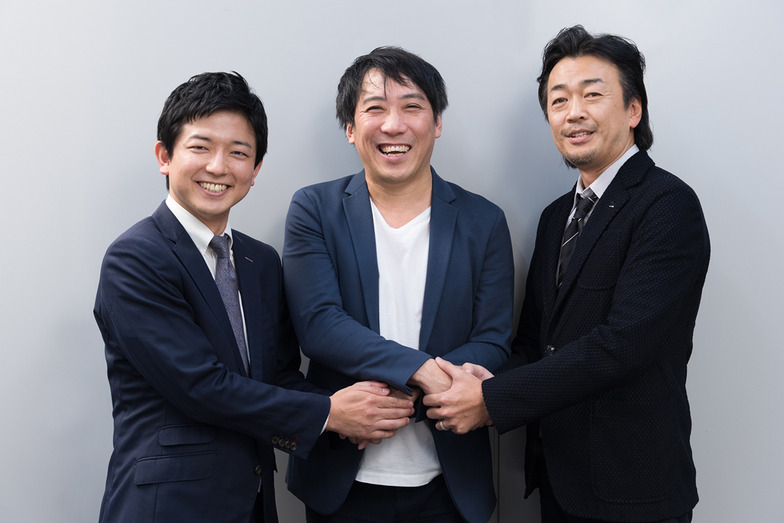
We spoke with Kenichiro Tanaka of HAROiD, Hideaki Haruta of Dentsu Inc. Business Creation Center's Business Development Office, and Yasushi Shinbo of Dentsu Inc. Media Services / Radio,TV Division about this new approach to viewer participation in TV commercials, the specific reactions, factors behind its success, and future prospects.
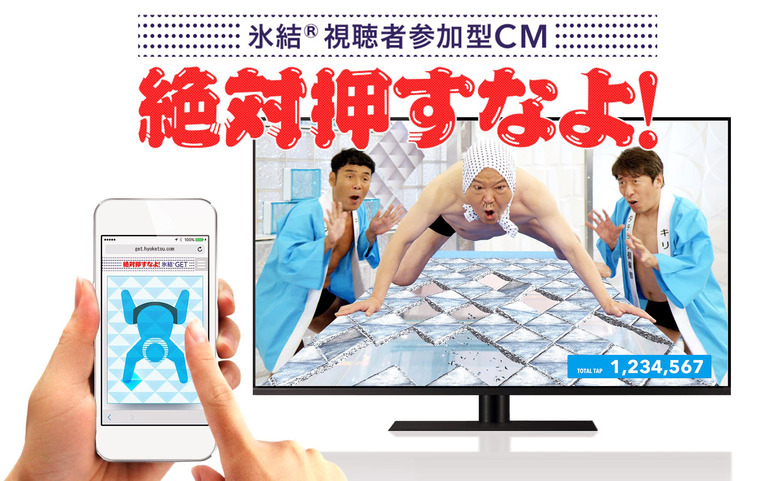
Participate in TV commercials with your smartphone. The ice in the "ice bath" breaks depending on the number of taps.
─ How did the campaign work?
Shinbo: It was designed to use the TV commercial as a starting point, then use smartphones as a medium to encourage visits to convenience stores. This was achieved through a completely new mechanism, unlike anything done before. The commercial featured the Dacho Club, who straddled an ice-covered bath instead of a hot water bath, delivering the classic gag: "Don't you dare push!" When viewers participated via smartphone, the ice in the actual commercial cracked in real-time, synchronized with their taps. The climax showed Ueshima being pushed into the icy bath by the others.
Haruta: Viewers who participated could obtain a coupon code on a first-come, first-served basis. Entering this code into the information terminal at a convenience store would issue a coupon redeemable for one bottle of Kirin Hyoketsu. That was the basic flow.
Shinbo: The on-air segment utilized a 60-second commercial slot provided by Kirin, airing every Tuesday from 8:00 PM to 9:00 PM on the Nippon TV network. Securing this slot was our first step. Normally, a 60-second commercial would just air and end there. This time, however, it was designed as a project where viewers who saw the TV commercial would participate via their second-screen smartphones and then go to a convenience store – moving beyond just watching the TV commercial to taking actual action.
The client directly drove traffic to key stakeholders—convenience stores—building a win-win relationship.
─ What was the background for launching this campaign?
Haruta: The client's challenge was to go beyond the typical TV commercial effect of raising product awareness or conveying the campaign's worldview, and directly drive real-world sales.
The convenience store chains we partnered with this time are key stakeholders for Kirin. Driving traffic to them was also a crucial mission from a sales support perspective.
Shinbo: For Kirin, securing shelf space in convenience stores was also crucial. So, we used TV to generate buzz and get people to visit the stores. If we could drive foot traffic, it would become leverage for negotiating continued shelf space, and we hoped it would help build a good relationship with the convenience stores.
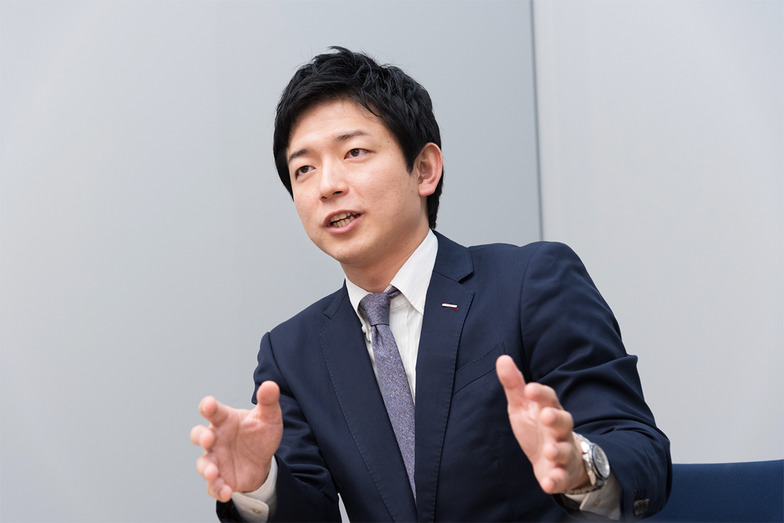
The "major event" created by the HAROiD and Dentsu Inc. collaboration, featuring simultaneous viewer participation
─ I imagine this was an unprecedented endeavor. How did the technical aspects go?
Tanaka: Since its founding, HAROiD has aimed for what we call O2O2O (On-Air to Online to Offline). One goal is creating new value for television, such as guiding viewers from TV to online and then to physical stores. HAROiD already operates systems for interactive programs using data broadcasting and smartphones daily, so the operational know-how and systems were already in place.
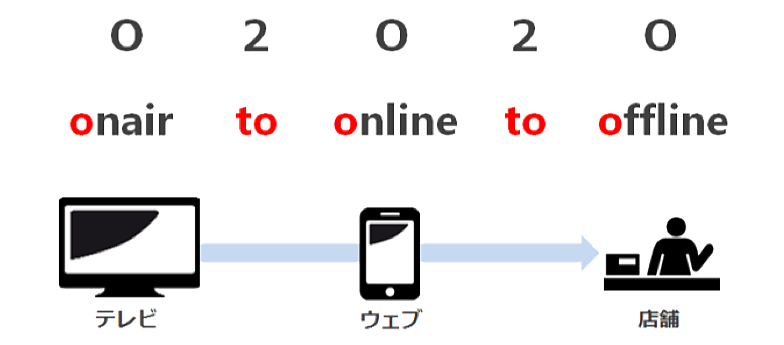
Shinbo: During the 60-second TV commercial, viewers tapped CG-processed ice on their smartphones, causing it to shatter in real time based on their actions. This live interaction—where viewers actively participated simultaneously nationwide—demonstrated how HAROiD's technology naturally fosters synergy with television.
Tanaka: The ice CG was challenging. We had to make it feel realistic. It needed to break in a satisfying way based on the number of taps from viewers' smartphones. To achieve this, we had to capture all taps from every viewer's smartphone in real time, aggregate them, and render the result on TV. It demanded a high level of integration between the system and the creative concept.
Haruta: Technically, there were many aspects only HAROiD could achieve. Essentially, we created a kind of "massive event" where everyone participated simultaneously on TV. Achieving that simultaneous interaction is incredibly difficult technology.
─ How did you handle the announcements?
Shinbo: Since we couldn't announce specific times for commercial airings during the program itself, our advance promotion centered on online channels. This included launching a campaign website and running ads on LINE, Twitter, Facebook, and utilizing the client's Facebook page.
Tanaka: Since it was such a groundbreaking project connecting TV commercials, smartphones, and convenience stores, the significant coverage we received in various news outlets also gave us a big boost.
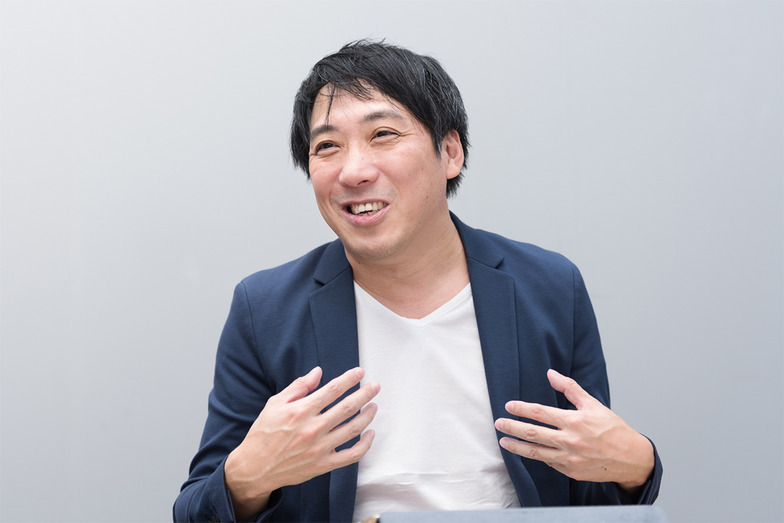
Using the gag "Absolutely don't press it!" as the gimmick, we prioritized "clarity" above all
─ How was the creative concept decided?
Shinbo: Given the short 60-second timeframe and the need to encourage participation, we knew it had to be instantly understandable to make it easy for people to join. Also, since it was live broadcast, we needed Nippon TV to produce it as an infomercial. The collaboration between the client, Nippon TV, and HAROiD to create the creative concept was crucial.
Haruta: Ultimately, we needed people to bring their smartphones to the convenience store. They'd be watching TV, grab their phone, and take some action. The impact when the coupon appeared was also crucial. That was one core concept. And naturally, we needed to incorporate ice, which is central to the Hyoketsu brand's world.
Shinbo: We also thought that using the classic gag line "Absolutely don't press it!" in this kind of gimmick could create new entertainment. This creative was born through discussions combining several such ideas.
Tanaka: Instead of the usual hot bath drop, we had them break ice and drop into it. When prompting the tap action, we made them press while saying "Don't press it!" It has this game-like element, and what's more, your tap is instantly counted and displayed on the TV screen. Since it's done by the collective power of all viewers, it creates a sense of participation.
Shinbo: But many ideas came up, and everyone agonized over them in meetings. Of course, there were talent schedules to consider too. When the Ostrich Club plan emerged, it really sparked excitement – "That's the one!" When Kirin gave the green light, there was a palpable thrill that we could create something truly fun.
Haruta: With so many stakeholders involved, including convenience stores and distributors, conveying the concept in just one line—"The Dacho Club appears, and ice cracks and falls"—was incredibly clear. I think the simplicity and strength of the concept made communication smooth.
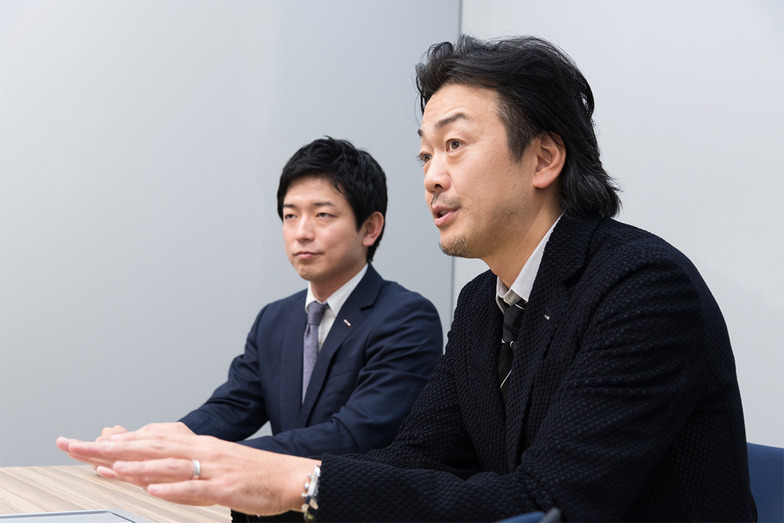
Tap count: 6 million. Established an active TV commercial approach where viewers take action themselves
─ What were the challenges on the day of the broadcast, and what was the response afterward?
Shinbo: Regarding smartphone taps during the commercial, we saw about 3 million taps each day. Since the setup only took about 40 seconds within the 60-second spot, it means everyone was frantically tapping away for roughly 20 seconds.
Haruta: We prepared samples for participants on a first-come, first-served basis: 80,000 for the first round and 70,000 for the second. The system required users to retrieve a coupon code via their smartphone after the commercial ended. As a result, all 150,000 samples were claimed through applications. The second round was especially fast-paced; we managed to issue all of them by the next day before noon.
Shinbo: Generally, TV is often seen as something watched in the living room, with a rather passive viewing style. This project showed us a new potential for TV media: it could actively prompt viewers to take action through a TV commercial, ultimately getting them to visit the store. It really made us realize again that there are still many possibilities for expansion.
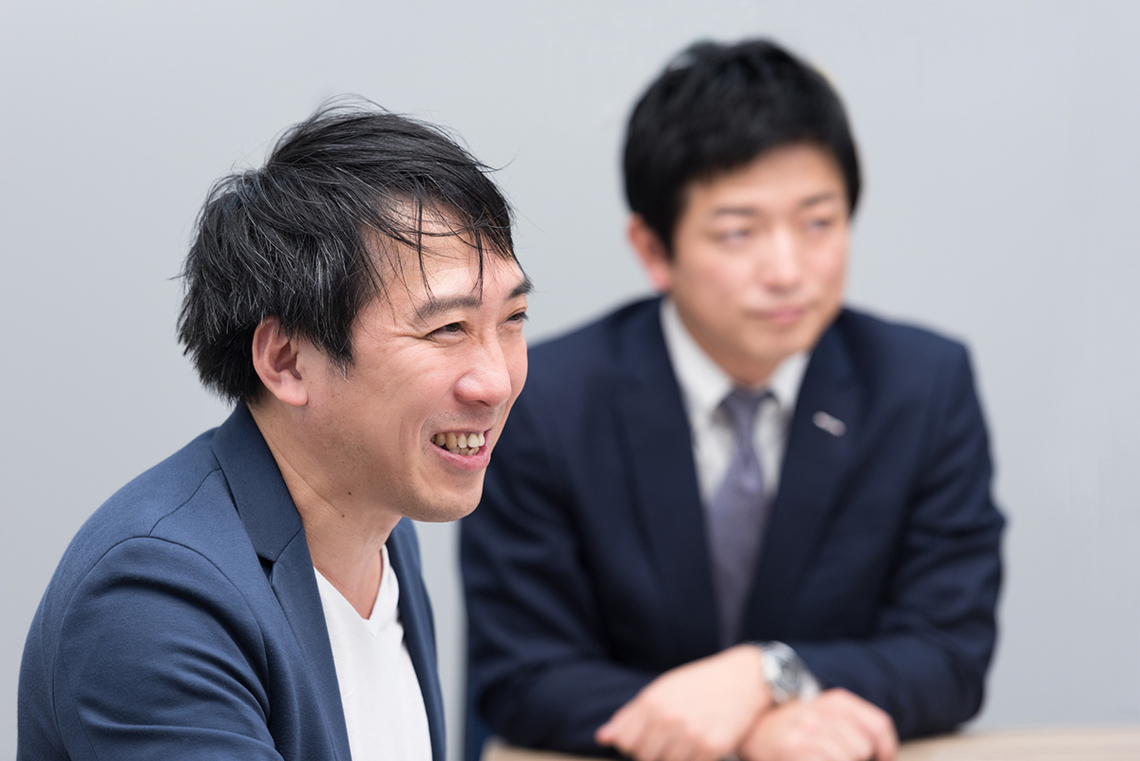
Creating a major event where viewers participate simultaneously during commercials. Proving its potential.
─ How do you feel the factors behind the success of this campaign?
Shinbo: We launched this as an unprecedented "simultaneous viewer participation TV commercial," and it reaffirmed the power of television as a medium. Looking at the minute-by-minute ratings, it might be coincidental, but the ratings actually rose before the commercial aired. While we implemented several PR efforts, I believe the LINE notification from Kirin also played a role. It's about encouraging people to watch TV by making the trigger relatable. If a TV commercial is recognized as participatory content, viewers will watch it with interest and actively engage. We experienced firsthand that, depending on the concept, it can prompt action and ultimately lead to sales.
Tanaka: We also felt the incredible power of television. For example, sports broadcasts or programs like the 24-Hour Television become national events, right? We were able to create that sense of everyone gathering, everyone watching, everyone feeling something through a TV commercial.
We realized that even TV commercials can create events, create a festival atmosphere.
Haruta: When we talk about digital and technology, we often think in terms of improving efficiency. But this time, it's also an example of how these technologies contributed to creating something incredibly interesting. It became entertainment.
The power of television, the power of technology—combining these created a commercial that was pure entertainment. Because it was such a completely new form, I believe it really resonated with viewers.
Shinbo: I think it was a digital approach perfectly suited for television. There was the constraint of a 60-second time limit, it only aired once that day, and the exact airtime was unknown. When it came on, that sense of "I have to participate right now!" – that feeling of immediacy – was crucial. From our perspective, we were delivering it to you, the viewer, at this very moment. Plus, there was the gimmick of it being first-come, first-served. I think that extra sense of urgency really got people fired up and made them want to participate.
Viewers wait for the TV commercial to air. At that moment, the TV commercial becomes content, and its effectiveness becomes quantifiable.
─ How do you perceive the meaning and impact of running it for two consecutive weeks?
Shinbo: Running it for two consecutive weeks definitely had meaning. We set it up the first week by saying, "We'll do it again next week," and then connected it to the following week. So the next week, I think people who had experienced it were ready for it. Television has regular viewing habits among its audience, so I definitely feel it was effective.
Haruta: Looking at Twitter, on the 27th for the second run, there were exchanges like "Has it aired yet?" or "It hasn't aired yet." It seemed some users were actively waiting for the TV commercial to air.
Shinbo: It's wonderful when people wait for a TV commercial. We've proven TV commercials have value as content. I believe this opens a new path: creating greater synergy with digital to further advance the "contentization" of TV commercials.
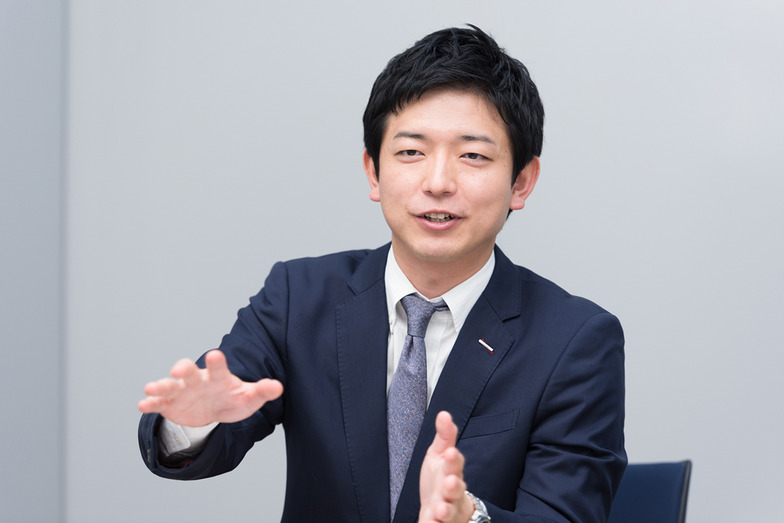
Haruta: In that sense, this project allowed us to better "visualize" the inherent media power of television and the impact of TV commercials.
Shinbo: In television, we often talk about creating buzz, but buzz is hard to quantify. This initiative allowed us to translate how viewers actually behaved into concrete numbers. For those of us in television, that was a tremendously satisfying result.
Haruta: As an advertising agency, it's gratifying to be able to visualize and deliver such data to clients. Furthermore, for the client side, I believe there's also the benefit that such placements allow them to accumulate know-how within their own company.
The new initiative has been well-received by those involved.
─ How was the response, including from clients and the convenience store side ?
Haruta: From the convenience store side, even when we first visited to explain the plan, the system manager said, "This is interesting." While there were some complicated aspects like confirming details, they cooperated readily and we were able to move forward. I felt it held potential to contribute to the convenience stores as well.
Shinbo: Since this initiative was unprecedented anywhere, it was also new for the client. I heard it generated significant buzz and was well-received internally. It ranked high on Yahoo! Trending Searches both weeks (2nd and 4th place). We were surprised that a single 60-second commercial aired that day could generate this much search volume.
The background to this lies in the difficulty of "visualizing" the power of television. Of course, there are ratings. This time, however, we could quantify it as actual behavior, making it much easier to understand. We were able to deliver data and figures to the client in a one-stop manner, all the way to the result of driving customers to convenience stores through television. I believe that was extremely effective.
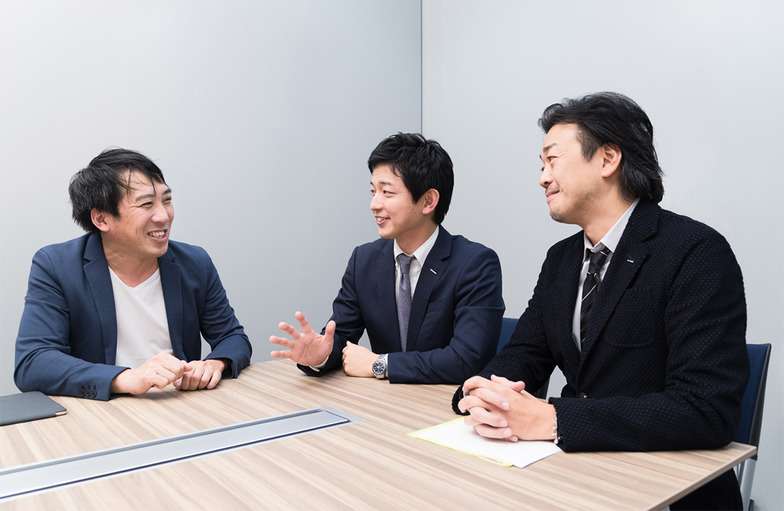
The potential of TV commercials with greater power and audience appeal. A new solution for client challenges.
─ What kind of developments can we expect going forward ?
Tanaka: This team can definitely prepare the mechanisms, systems, and technology. So, using the materials we prepare, we can plan various things. We also want to collaborate with creative teams and take on projects like events using TV commercials.
Haruta: This project proved that when ideas are combined with a team possessing these platforms and technologies, it can genuinely generate this level of excitement and action from people through TV commercials. In that sense, we've gained another powerful tool for solving client challenges.
I believe there are many approaches. There's the "tap-a-thon" style we used this time, but possibilities expand based on the idea itself—like solving a mystery together or team competitions. That's why I want many different people to join this team.
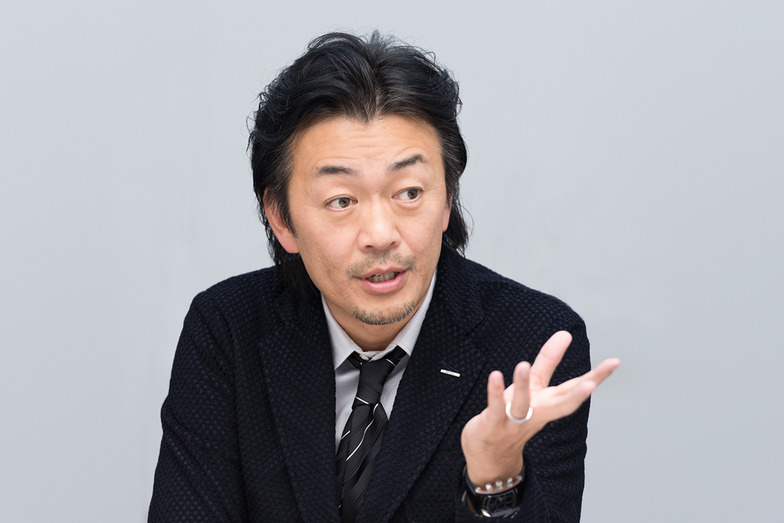
Shinbo: Combining digital with solutions made me realize there are truly countless ways to present TV commercials. This allowed us to "visualize" the effectiveness of TV commercials. While the birth pains were tough and involved many challenges, I believe we've established a foundation where we can try various approaches and explore diverse possibilities.
Building on this asset, I want to propose more effective, more innovative ways to leverage TV commercials that deliver real benefits for our clients. The ability to have people across the nation see the same 60-second spot at the same time and take action—that's something only TV can truly deliver.
Tanaka: That leads to growing brand fans and increasing loyalty. So, it means a different way of using TV commercials has emerged compared to before.
Additionally, while we utilized convenience store information terminals this time, in-store copy machines and Wi-Fi could also be leveraged to engage active users. In this regard, we are closely collaborating with BeMap, one of HAROiD's investors, and plan to further expand our solution offerings. Furthermore, we can extend the destinations for customer referrals beyond convenience stores to include supermarkets and various other industries. We look forward to exploring many possibilities moving forward.
Haruta: This campaign involved a nationwide, simultaneous live experience. Previously, there were few means or opportunities to connect with those people. This setup actually created a digital connection. Introducing technology into the established space of television enables this connection. I believe that's where the meaning and the interesting part lie.
Moving forward, centered around this team, we want to recruit more colleagues within the company and try even more new things.
Was this article helpful?
Share this article


Newsletter registration is here
We select and publish important news every day
For inquiries about this article
Author
Yasufumi Shinpo
Dentsu Inc. Vietnam Co., Ltd.
Global Business Center
Client President


Kenichiro Tanaka
HAROiD Co., Ltd.
Executive Vice President
Hideaki Haruta
Dentsu Inc.
Solution Development Center