Note: This website was automatically translated, so some terms or nuances may not be completely accurate.
 Keywords for Predicting the Future [9/13]
Revitalizing Urban Communities with "Citizen Aquaponics"
Have you heard of the aquaponics farming system? Aquaponics is a circular farming method combining aquaculture (fish farming) with hydroponics (soil-less plant cultivation). It uses microorganisms to break down waste from farmed fish, turning it into fertilizer for hydroponically grown vegetables. The hydroponic system then purifies the water, which is recycled back to the fish, helping them thrive.
In Europe and America, it's primarily adopted as urban agriculture. In the US, vacant buildings in cities are repurposed to raise fish like tilapia and grow high-value vegetables like kale and beets hydroponically, which are then supplied to upscale supermarkets in the surrounding areas.
Recently, companies introducing aquaponics have also emerged in Japan. For example, in Niigata, aquaponics is being developed using waste heat from data centers. It can also be useful for studying ecosystems, and interesting developments are seen, such as its use for environmental education in schools and home kits combining herbs with ornamental fish.
Now, let's shift our perspective slightly and look at urban agriculture in Japan. The main players in Japan's urban agriculture are often local farmers whose families have farmed for generations. Tokyo alone has approximately 11,000 farming households. This is actually quite rare globally. In Western countries, where urban areas and farmland have developed with relatively clear boundaries, the main actors in urban agriculture are non-farming citizens and companies.
Consequently, while community and experiential aspects are emphasized in Western countries, Japan often focuses on the theme of local production for local consumption. That said, opportunities to enjoy agricultural experiences, such as community gardens on building rooftops, are increasing in Japan too. This trend is likely to grow further, riding the wave of recent regulatory easing.
Considering this trend, it's conceivable to install aquaponics systems in vacant urban properties for community use. This would combine the agricultural experiences found in community gardens with fish farming and aquatic experiences through aquaponics.
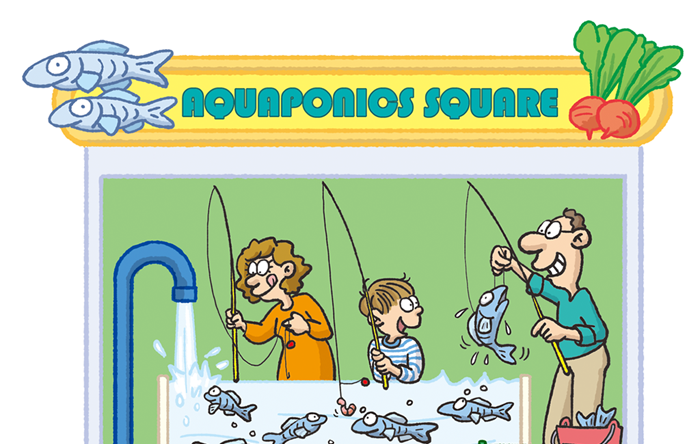
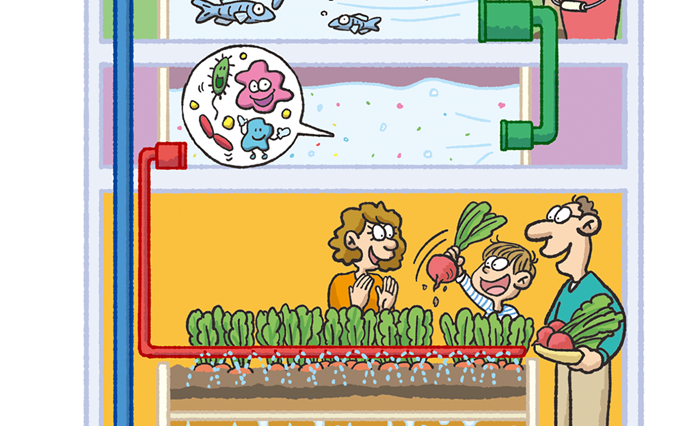

Users would cultivate vegetables while feeding the fish. At harvest time, they would gather the vegetables and catch the fish they raised, much like fishing in a pond. Both fish and vegetables could be consumed personally, sold at an attached shop, or enjoyed at a restaurant—similar to a grocerant—serving dishes made with freshly prepared fish and harvested vegetables. Such facilities could deepen urban residents' awareness of food and, by extension, their sense of community.
Future Prediction Support Lab: http://dentsu-fsl.jp/
Was this article helpful?
Share this article


Newsletter registration is here
We select and publish important news every day
For inquiries about this article
Back Numbers

Author

Yasuaki Matsumoto
Dentsu Inc.
第2マーケティング局
Principal Researcher