
Note: This website was automatically translated, so some terms or nuances may not be completely accurate.
 Let's talk about gender. [4/4]
What can an advertising agency do about gender? We asked Anna Nagata for her thoughts.
This series features Dentsu Inc. creators confronting gender issues and exploring new relationships between gender and creativity through dialogue with individuals from diverse fields.
For the fourth installment, we spoke with beauty writer Anna Osada, who is actively involved in various gender-related initiatives.
Dentsu Inc. communication planner Suyon (hereafter: Su) and copywriter Taiga Iwata (hereafter: Iwata) had a candid conversation with Ms. Nagata, known for her participation in the "Flower Demo" and her role as editor-in-chief of the magazine "Etcetera VOL.3 My Body, By Me, For Me."
Ms. Nagata, what motivates your activities?
Su: Thank you for joining us today. I've been wanting to talk with you, Ms. Nagata, because of your various online activities related to gender! Was there a specific reason you started this kind of work?
Nagata: In my case, since I work primarily as a beauty writer, I often collaborate with people in the beauty industry and women's magazines. In those circles, it's commonplace to see women in positions of decision-making authority. In fact, I'm often surprised by how many other companies still operate in a male-dominated society.
So, I think I might have become more sensitive than people in other industries to the absurdities that arise from this skewed power balance, thinking, "Isn't that wrong?" And I suppose that by putting the discomfort I felt into words and actions, I came to be recognized by people like Suyon-san as someone involved in gender-related activities. Honestly, I hadn't really been that conscious of it myself.
Sue: Really? That's surprising. Having a workplace dominated by women without a male-dominated structure—that makes perfect sense!
Nagata: Precisely because of that, I think I've become sensitive to things that are still considered normal in society, thinking, "Something's off here." Participating in the "Flower Demo" (※1) and serving as the responsible editor for the magazine "Etcetera VOL.3 My Body, By Me, For Me" (※2) really deepened my awareness of these issues.
※1 Flower Demo: A protest activity holding flowers to protest sexual violence
※=2 Etcetera: A magazine covering feminism launched in 2020
Iwata: So it's not like you decided, "Alright! I'm going to tackle all these gender-related issues!" and set out to do it.
Nagata: Right, it's more like I take on various jobs as they come, gradually building up the things I'm interested in one by one. I don't have this grand ambition like, "I'm gonna do amazing activism and change the world!"
Sue: Seeing your work on social media, I thought, "Wow, you're doing amazing things!" So this was surprising.
Nagata: I've always just acted on things that interested me. That's how I started as a beauty writer too. I'm pretty impulsive.
Sue: Hehehe. I see, you act on your interests right away!
Nagata: Personally, I feel like making it my goal to change someone's way of thinking just makes things exhausting. I think it's incredibly difficult to change the values someone has built up over their entire life. So, "I think this way, so I'll just share it" is about the right level. For example, with friends, we make awareness stickers and postcards about sexual violence and domestic violence. It's more like, "Let's make some cool postcards and just hand them out as much as we can!" Give them to people who want them, then let it go.
Sue: That sounds like a fun approach.
Diversity starting with atmosphere?
Nagata: Lately, I feel like values are shifting significantly even in the magazine industry. For example, I remember terms like "popular clothes" or "popular cosmetics" being trendy for a while, but you hardly see them in headlines or titles anymore. I think it's because society's mood has shifted towards valuing choosing clothes and cosmetics based on your own standards, not others'.
Sue: That's wonderful. Conversely, by magazines no longer using those terms, readers might start thinking, "Being popular from someone else's perspective is so outdated now," or "What I like myself is more important."
Nagata: Exactly. Like your work, media and advertising also shape societal moods by responding to public needs. I hope we can use that role effectively to create a more comfortable social atmosphere for everyone.
Iwata: In recent advertising, we see a lot of diversity themes, right? For example, we often see expressions featuring people of various races and diverse genders. But I'm a bit troubled that this itself has become a stereotypical expression of "diversity = showing all kinds of people."
Nagata: As creators, we can understand that feeling. But for the people involved, simply seeing someone who looks like them in a commercial can create a sense of security, making them feel included in society. There's actually research data supporting this. I think that's incredibly important too. Of course, we want to avoid repetitive expressions, but focusing on people with various attributes holds significant social meaning.
Iwata: If something as simple as "seeing someone with attributes close to mine appear in a commercial" can boost the self-esteem of people previously considered minorities, that alone is wonderful.
Sue: We've finally reached a point where we can consciously incorporate diversity when creating communications. Yet, there are still shortcomings, leading to protests and even social media backlash.
One reason for this seems to be a lack of diversity among the planners themselves. For example, looking at project team compositions in companies, I think it's common for women and sexual minorities to be underrepresented. I believe changing that is a crucial first step.
Nagata: I think that's extremely important.
Iwata:In our previous conversation with Takayuki Kiyota, we discussed how important it is to listen to voices on Twitter and other social media, to hear diverse opinions from society. It's not just about advertising expressions; diversity is needed in the information we encounter daily, and it's also required in the composition of our work teams.
The "Positive Dilemma" in Advertising
Nagata: When I see ads that have backfired, I sometimes wonder if they're making the existence of people who have been hurt or suffered invisible, while pushing overly positive messages.
Iwata: Advertising is inherently positive, after all.
Nagata: I understand that positive messages sell products better. As a beauty writer involved in cosmetics ads, I see how positive messaging resonates with broader audiences and drives sales. But lately, I've been thinking we need to be mindful that overly positive messages detached from reality can sometimes hurt or exhaust people.
Sue: So, positive messages sell products, but they can also hurt people...
Nagata: No matter how many women or young people you include on a team, the people in positions to create mainstream ads often have a certain degree of social privilege. It's a separate issue that they themselves put in tremendous effort, but there's an inherent advantage to being "the ones creating the ads, delivering the message."
But there are people out there suffering, trapped in structural inequality, harboring all kinds of frustrations with nowhere to vent them. Forcing overly positive messages on them can create friction and resentment, making them think, "I just can't feel that positive right now."
Sue: I see... Advertising needs to send positive messages to sell products, but if it's too positive, it can alienate people who just can't feel that way... It's a real dilemma...
Nagata: It's crucial to imagine not just the message itself, but also the emotions and daily lives of those receiving it—their circumstances and state of mind—without limiting it to gender or age.
Iwata: Working in advertising, it's easy to forget, but those who can communicate something must be more aware that they're already in a privileged position.
Generational turnover alone won't solve everything.
Sue: There's also the issue of whether media just needs to create content that garners widespread sympathy.
For example, the belief that "a woman's value is determined by her age" is still deeply ingrained in society. So, when TV airs content based on that value, many people nod along thinking "I get it, I get it~," and it becomes a popular show. But I think that just reproduces the very values that have made life difficult up until now.
Precisely because media has the power to shape the world, I believe it has a responsibility to show "diverse ways of living" and "aspirational ways of living (just a little further ahead)."
Iwata: Those old values are really hard to change, aren't they?
Nagata: Some might think, "As generational change progresses, values will shift," but I think pinning hopes solely on that is overly optimistic. Reproduction hasn't stopped at all! I see that in so many situations... If we have a world we want to aim for, I don't think it will change naturally unless we all take action now to get closer to that world.
Sue: True, not all young people necessarily think differently from previous generations. If there's a form we aim for, we have to strive towards it; otherwise, nothing changes.
Iwata: Even among young people, many hold gender views similar to those from decades ago. Conversely, some older generations have flexibly updated their gender perspectives. Judging gender views solely by generation is dangerous. That's precisely why I want to have meaningful conversations with older generations and create change together.
Sue: We should adopt an attitude of discussing gender issues with even older generations—people in their 50s and 60s.
CSV × Planning Power = ?
Nagata: Speaking of which, I heard Dentsu Inc. doesn't just make commercials. Is that right?
Sue: Yes! Our job is to solve clients' challenges through the power of planning!
Nagata: I see. So here's a suggestion: I think companies could support women in more direct ways, beyond just the messages in their commercials. For example, recently, companies targeting women have started scholarships for female students. It's not just a consumer-manufacturer relationship; it creates a sense of walking together and delivering on promises, which feels really relatable. You could call it CSV activities. Commercials aren't the only thing shaping a company's image, and I think precisely because of the times we're in, people are really paying attention to these kinds of activities.
Sue: I see. Some companies are already doing this, and I hope it becomes more commonplace. For instance, a menstrual product company installing free vending machines for menstrual products in women's restrooms at major Tokyo stations in a really thoughtful way. That could significantly boost the company's brand image.
It actually supports women, effectively communicates that message to the target audience, boosts the company's image, and even improves performance. If that's the case, freely planning more corporate CSV activities could lead to some really interesting things.

After talking with Ms. Osada
Sue: Meeting Mr. Nagata, who I'd always seen on social media, was a pleasant surprise—he was so much softer and more approachable than I'd imagined. It was a really enjoyable time! I feel so fortunate to live in this era where people of all backgrounds can engage with gender equality initiatives at their own level!
I want to live my life valuing those personal inner voices saying "I want to try this!" or "This interests me!"
Iwata: Working in advertising means you have the power to communicate things to the world, so I feel you need to be prepared to take on various responsibilities. You have to think about planning from the perspective of many different people, and it seems increasingly important to work with people from diverse backgrounds.
Sue: Listening to different people's stories might be the first step, huh?
If you enjoyed this article, you might also like:
・Why the latest global sex education is essential for us adults.
・The largest group is the "informed bystanders" ~ Cluster analysis of straight people's attitudes toward LGBTQ+
・<New System Starts!> We asked 1,600 people about men taking paternity leave

Was this article helpful?
Share this article


Newsletter registration is here
We select and publish important news every day
For inquiries about this article
Back Numbers
Author

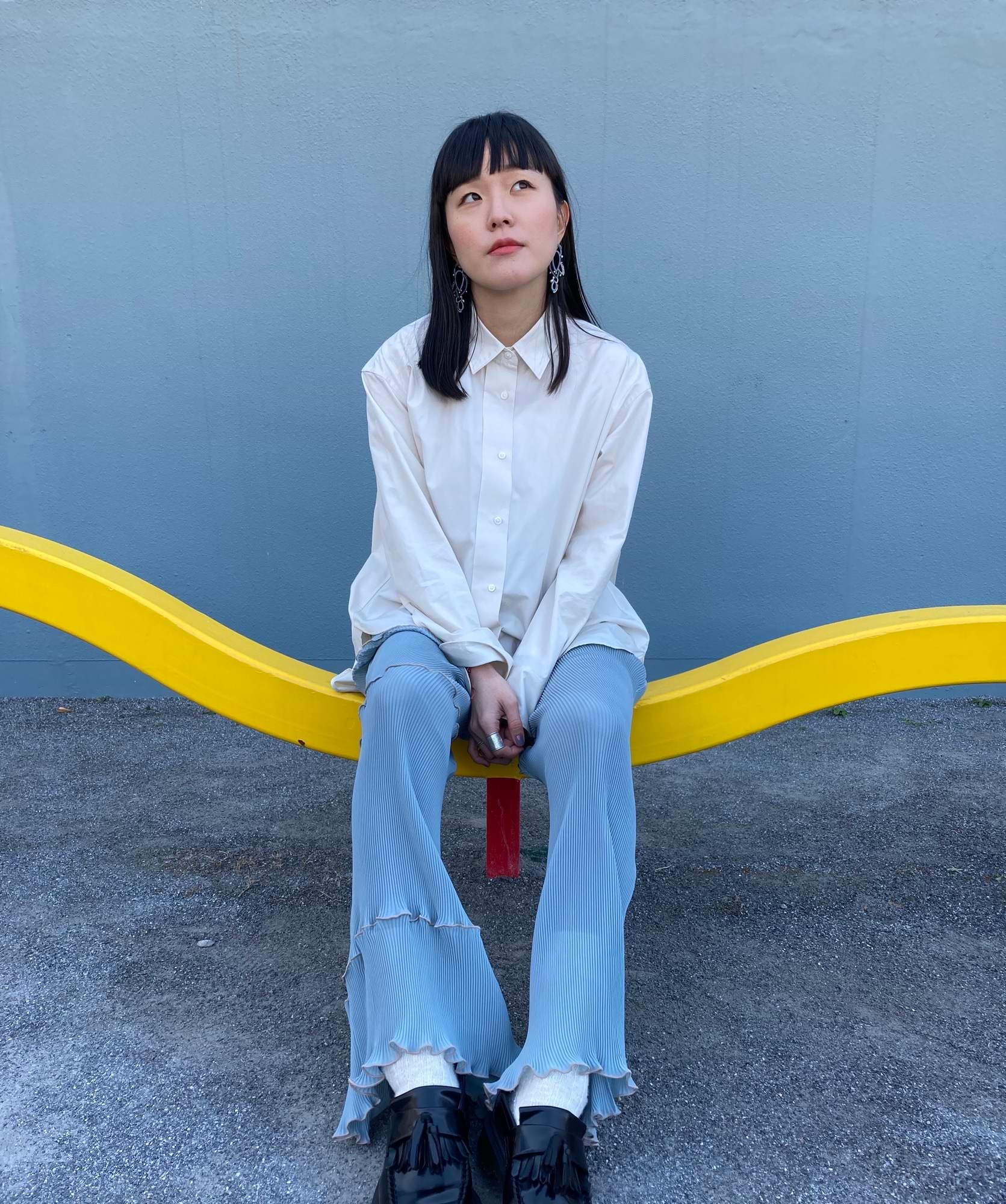
Anna Nagata
Beauty Writer
I write articles and conduct interviews on beauty and femcare for magazines and websites. My published works include Beauty Is Self-Esteem Training (P-Vine), and I served as editor-in-chief for Etcetera VOL.3: My Body, By Me, For Me (Etcetera Books).
Kwon Su-yeon
Dentsu Inc.
Creative Planning Division 3 / Future Creative Center
Communication Planner
We plan with the belief that "individual happiness leads to collective happiness." After working in the Marketing Division 3 and CDC, I joined the Creative Planning Division 3 in 2021. My specialty is branding centered on digital communication. I handle a wide range of projects including corporate branding and product development. I have virtually no experience producing traditional TV commercials. Born and raised in South Korea, I've lived in Tokyo since age 18.
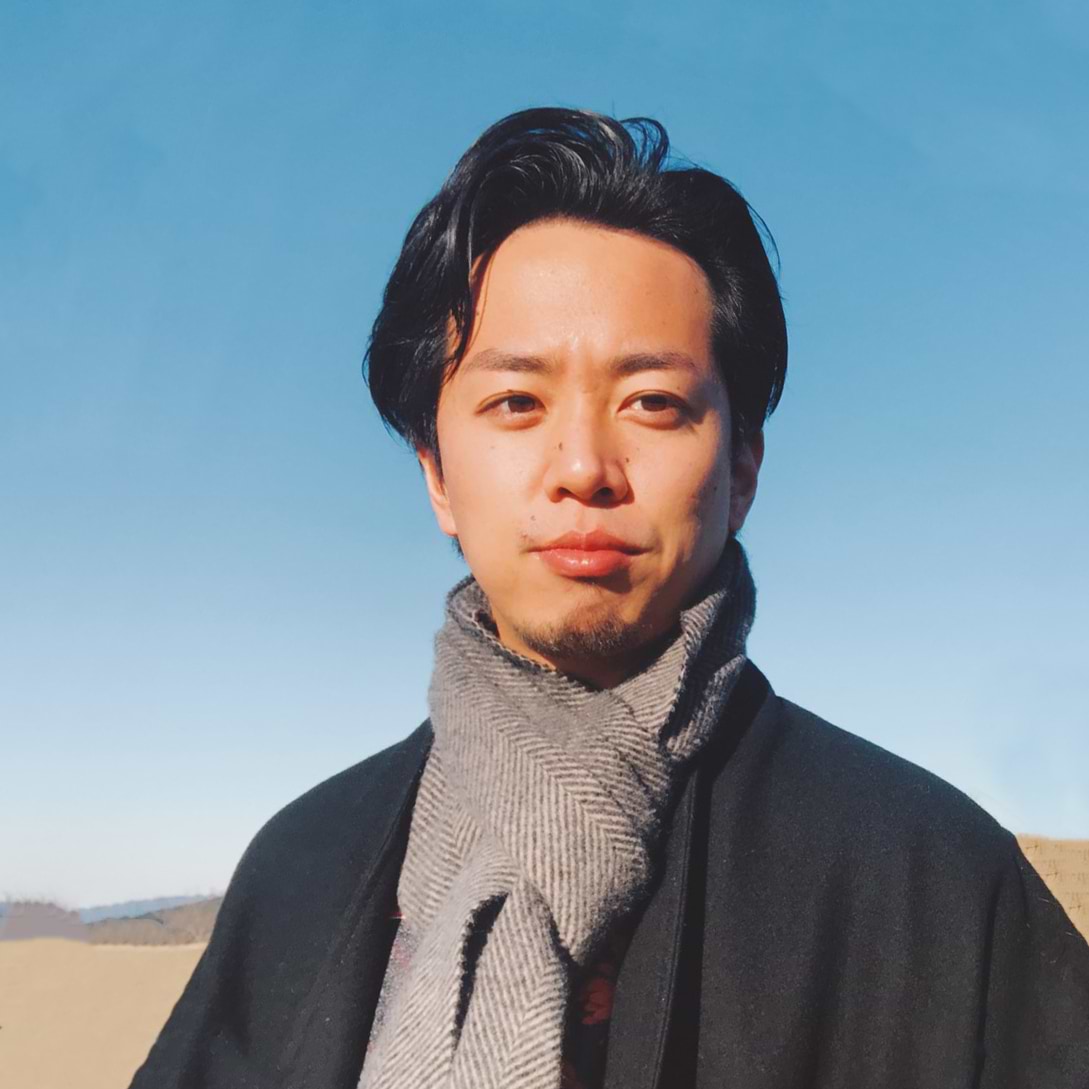
Yasuka Iwata
Dentsu Inc.
Creative Planning Division 1
Copywriter
At 17, I discovered philosophy. I awakened to ideas and culture. I majored in aesthetics at university and joined Dentsu Inc. in 2014. Since then, I've been solely a copywriter. Notable work includes Nissin "I want to hint at it," KANEBO "I HOPE.," KRAFT BOSS "Good job, me.", and ALFORTE "Make blue your ally." Winner of the ACC Grand Prix and Galaxy Award Grand Prix.