Note: This website was automatically translated, so some terms or nuances may not be completely accurate.
 frog × Dentsu Design Consulting [2/3]
How to Promote Innovation in Japanese Companies? ~ The Vision of frog × Dentsu Inc.
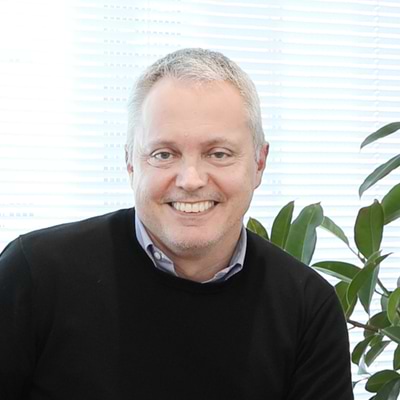
Ion Nedelcu
frog
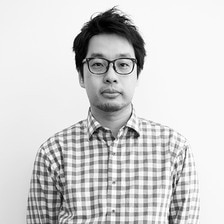
Noriaki Okada
Dentsu Inc.
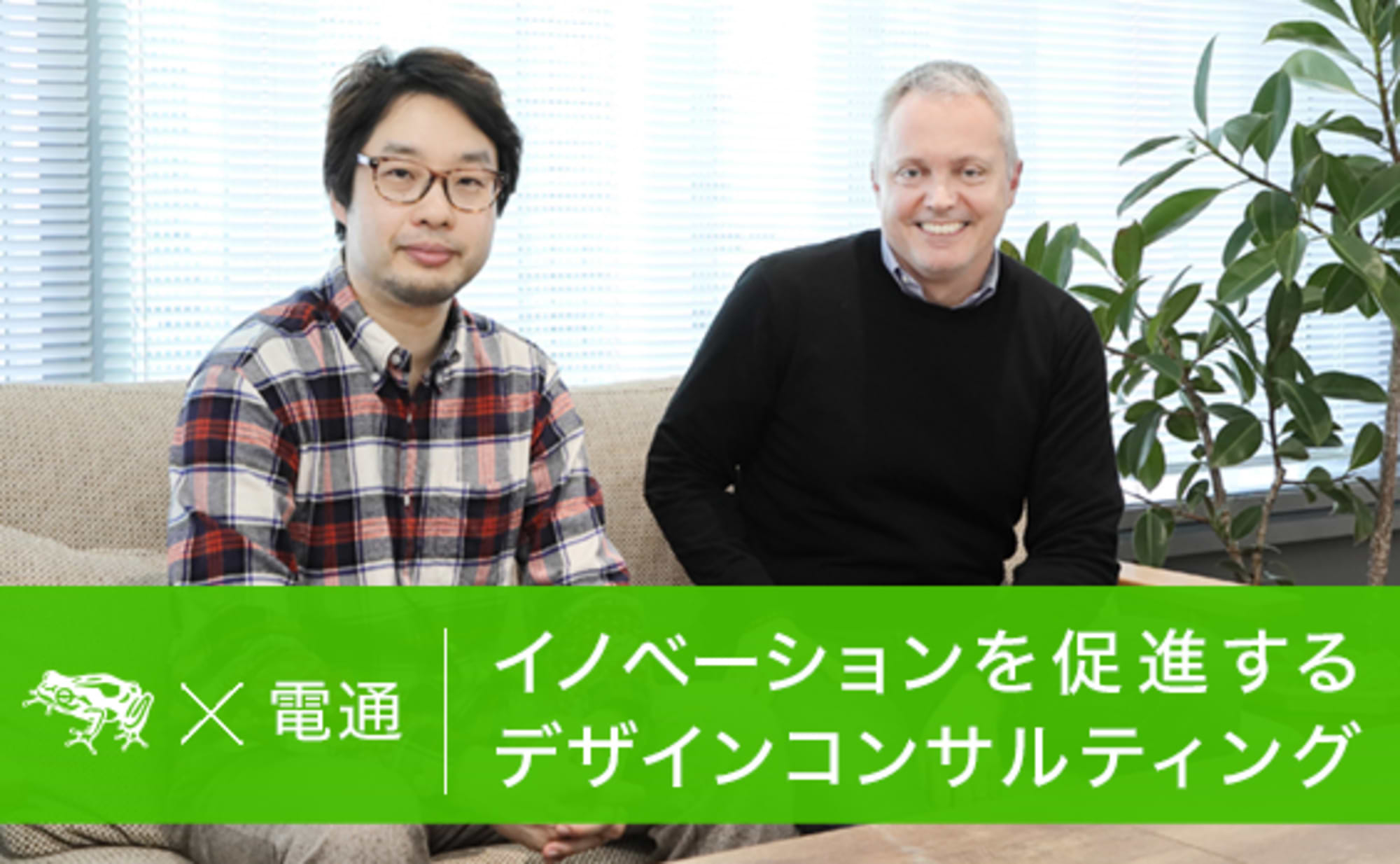
Dentsu Inc. and frog, one of the world's leading design firms, began a business partnership in 2016 to support corporate innovation and business growth through design.
Currently, frog's Ion Nedelcu is stationed at Dentsu Inc., collaborating with Dentsu Inc. staff to provide services for client companies' customer experience design and growth strategies.
What do Japanese companies need to create innovation? What business challenges can design consulting solve?
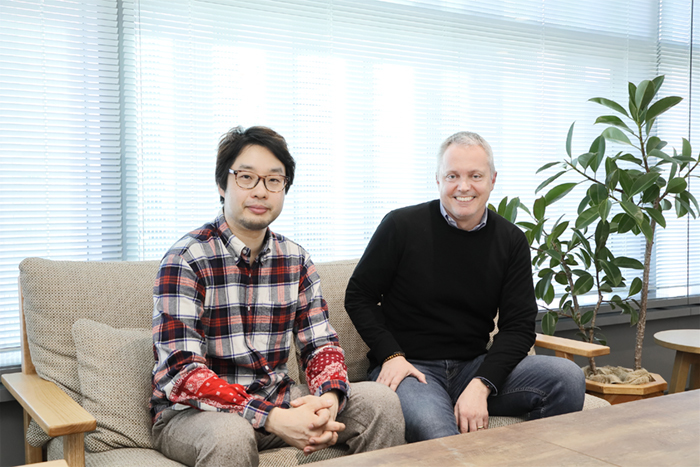
Through a conversation between Mr. Nedelcu and Mr . Noriaki Okada of Dentsu Inc. CDC Experience Design Department, we share the vision of "design consulting" envisioned by frog and Dentsu Inc.
Focusing on user experience to solve business challenges
Okada:In the previous article, we explained the basics of design consulting.
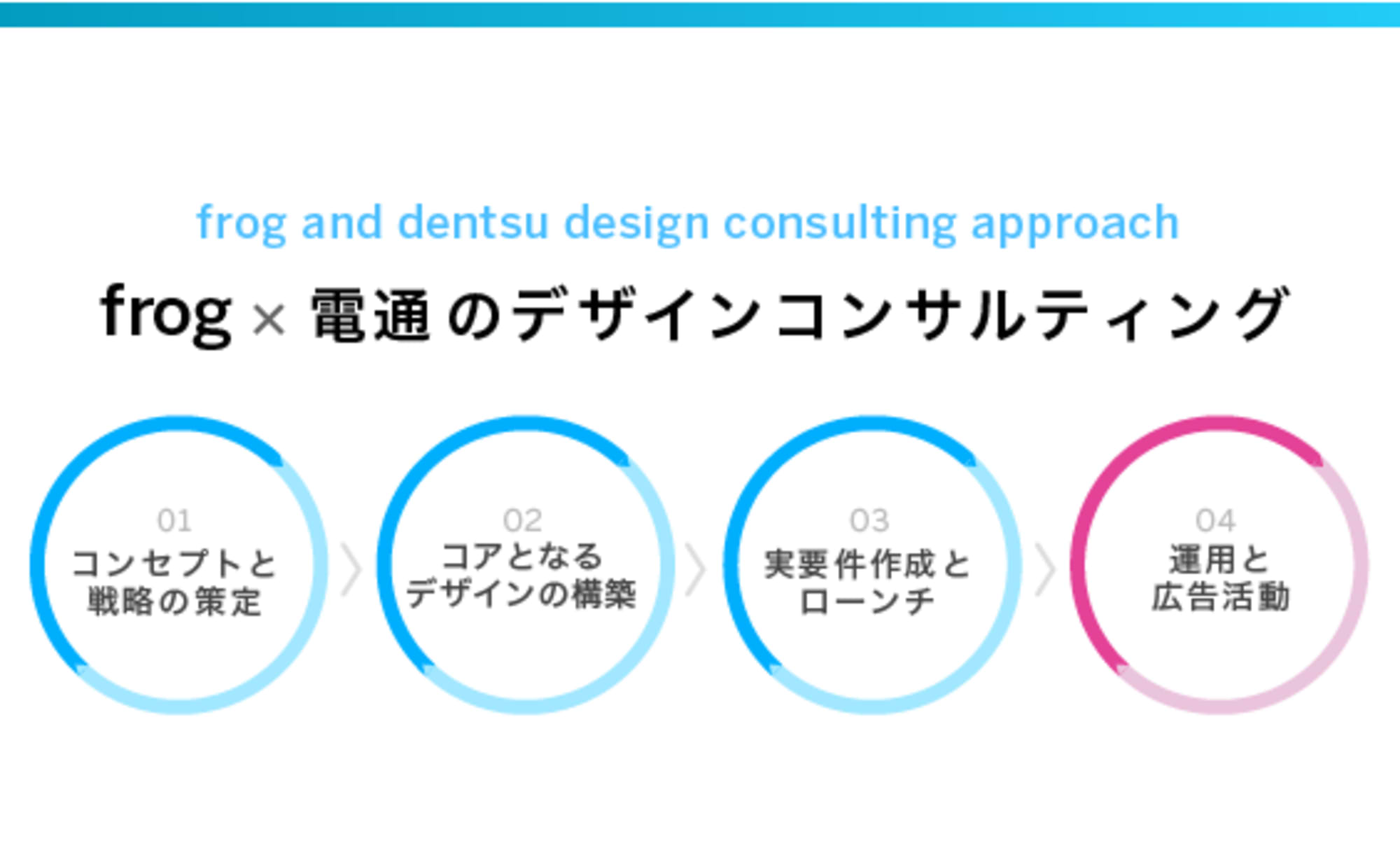
frog × Dentsu Consulting Inc. Design Consulting
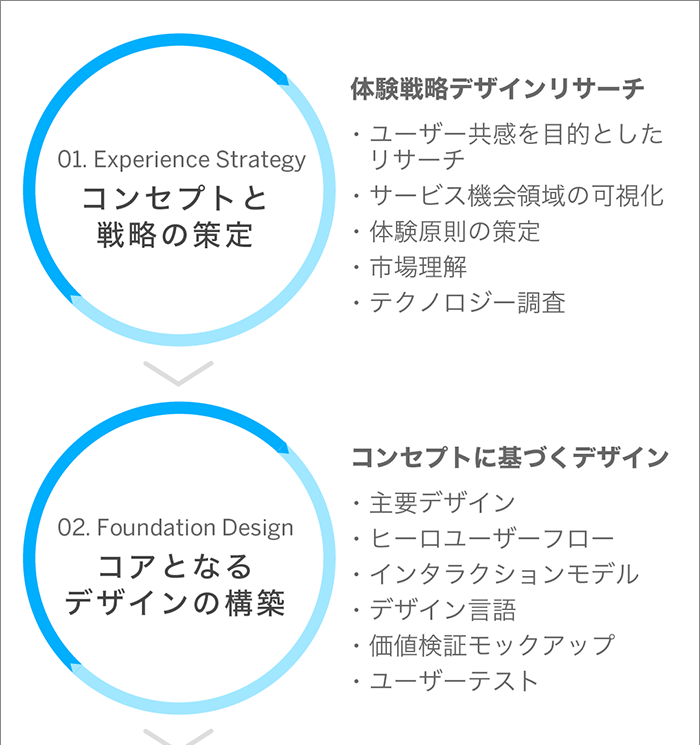
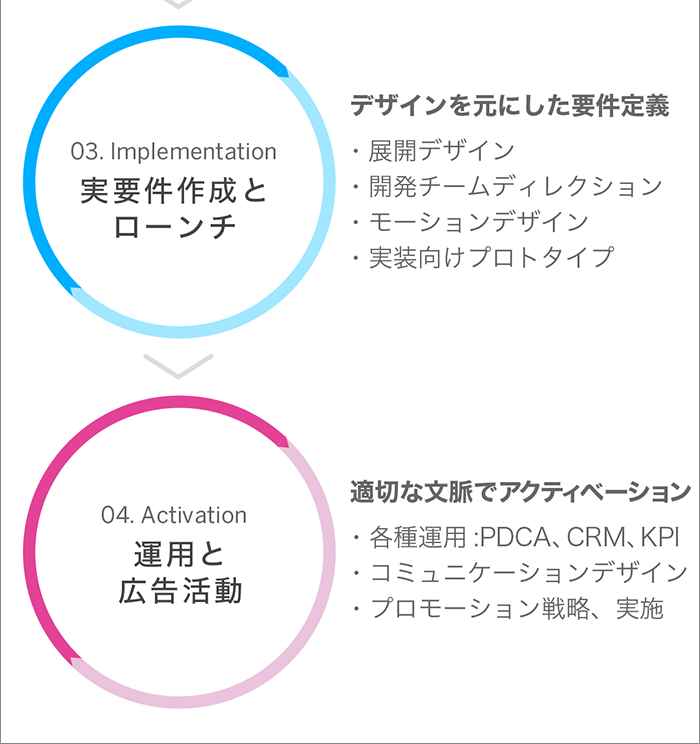
This time, we'd like to share the vision of frog × Dentsu Inc. in detail. Before that, could you introduce what kind of activities frog has undertaken as a design firm up to now?
Nederk: frog is a design firm with global offices, supporting design-driven innovation worldwide. We celebrated our 50th anniversary last year and have grown into a company with approximately 700 employees. Our core business is creating experiences. We focus on customer experiences to solve business challenges and deliver experiences that users love.
Okada: frog has worked on product design for companies like Sony and Apple in the past, right? When did you start getting involved in upstream processes like developing business strategies, beyond just product design?
Nederk: Our founder, Hartmut Esslinger, is an industrial designer, and frog has long designed products. Entering the 1980s, as the world became increasingly digital, frog expanded into the digital domain, establishing its first digital studio in Texas. This marked the beginning of broadening our scope to upstream processes and strengthening our role as a design thinking consultancy.
Okada: In Japan, design thinking began to gain widespread traction around the 2010s. Is problem-solving and business building through design thinking commonplace in Europe and the US?
Nederk: That trend is clearly evident. We should stop viewing design solely as something physical and tangible. For example, cars are now designed prioritizing ease of driving and ride comfort from the user's perspective, not just the developer's. Other products increasingly adopt this kind of design thinking based on a reversal of perspective.
Okada: As a pioneer in design consulting, frog continues to grow. Where do you see your strengths?
Nederk: I believe our greatest strength is our people. When we ask clients why they chose us, the first point they often mention is our proven track record and reliability. Another strength is our ability to anticipate the future. While challenging, we envision what the future might hold and help clients move closer to it.
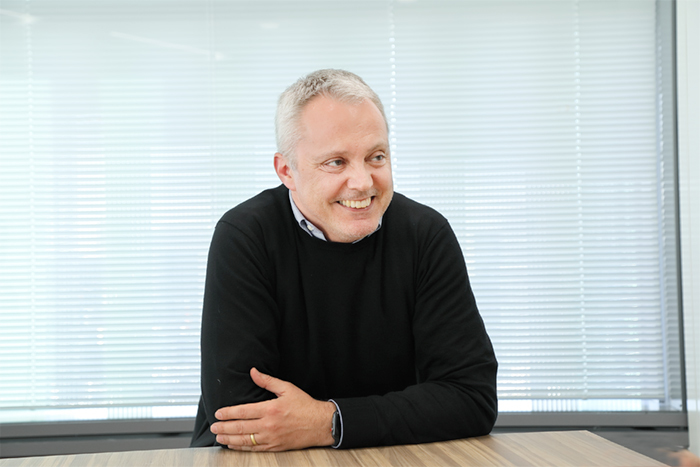
Accelerating innovation by combining frog's design capabilities with Dentsu Inc.'s network
Okada: Dentsu Inc. has long been engaged in experience design and providing services in digital media. This makes it a natural fit with frog, which has extensive experience in digital solutions. Moreover, frog's products possess a strong DNA. We were attracted not only by their commitment to upstream processes but also by the high design value of the physical products themselves. What aspects of Dentsu Inc. did frog find appealing in pursuing this business partnership?
Nederk: Dentsu Inc. is one of the world's leading advertising agencies and a major Japanese corporation. We believed combining our skills and experience in Europe and the US with Dentsu Inc.'s expertise could create significant success in Japan. frog provides the design-consulting-based approach to product creation, while the partnership with Dentsu Inc. ensures client relationships and traditional methodologies. We look forward to such collaboration.
Okada: Since the business alliance, we've pursued various initiatives with frog beyond client work, haven't we? In the 2018 talent exchange program, we invited five creative directors and strategy directors from frog, each with diverse backgrounds, to conduct various workshops and lectures for 58 Dentsu Inc. creators. The goal was for Dentsu Inc. creators to acquire and strengthen their ability to solve business challenges. We believed that using design consulting methods could also improve processes for traditional marketing work.
Nederk: Through the workshops, I reaffirmed the high caliber of Dentsu Inc.'s creators. Many are open-minded individuals constantly seeking new ways to solve problems.
Okada: Thank you. I noticed two key points during this workshop. First, ideas conceived within a business model framework often become more compelling. Traditionally, in advertising, creators' free-flowing ideas were what boosted creative jump rates.
However, by developing ideas within a framework—empathizing with the customer, defining touchpoints, and generating ideas within that structure—we actually produced remarkably interesting concepts. I believe this could create more opportunities to further leverage the value of Dentsu Inc. creators.
The second realization was the strong compatibility between Dentsu Inc. creators and design thinking. Design thinking emphasizes how to observe users, how to empathize with them, and how to derive ideas. In this regard, Dentsu Inc. creators excel as directors who are masters at observing people and situations, making decisions, and driving things forward.
While it's valuable for Dentsu Inc. creators themselves to master design thinking, I believed that when guided by excellent facilitators, Dentsu Inc. creators could efficiently develop solutions by focusing their ideas on business challenges.
Nederk: For example, what workshops stand out to you?
Okada: A workshop for a railway operator where we developed service ideas embodying their mid-term management plan.
First, we understood the strategy by analyzing the mid-term management plan and interviewing executives. Then, using the company's assets and data, we defined personas: young shoppers, inbound tourists, and transportation-disadvantaged individuals. From there, we identified key contact points, considered customer behaviors and emotions at each point, and generated service opportunities, concrete service ideas, and the associated experiences.
While the creative thinking of those freely generating ideas is important, the ability to empathize with customers, set contact points, and frame issues is also crucial.
Through design consulting, I want to contribute to innovation.
Okada: Japan has many companies striving to generate innovation but struggling to see results. How does this situation appear to you, Mr. Nederk?
Nederk: Companies worldwide, not just in Japan, are tackling innovation. But having a cool office in Silicon Valley isn't innovation. What's crucial is having a clear strategy and purpose for why innovation is needed.
How business units evaluate innovation is also crucial. Innovation builds the foundation for a company's future. Since innovation involves tackling the unknown, failure is inevitable. Shouldn't we view innovation and failure as two sides of the same coin and rethink our evaluation criteria? If Japanese companies can embrace diverse challenges domestically and internationally without fearing failure, they have the potential to drive even greater innovation than they do now.
Okada: We cannot lump all Japanese companies together. Large corporations and startups have vastly different numbers of stakeholders and decision-making processes, leading to significant differences in project design. The difficulty level varies by company, but in any case, I believe it's crucial for stakeholders at the management level to have a vision, make decisions, and unify the organization.
Setting innovation goals is also crucial. Innovation is often perceived as purely academic or idealistic, but within a corporate context, the primary goal could simply be making money. If the objective is to create profitable ventures, more people will take innovation seriously.
Nederk: Japanese companies frequently reassign personnel. In contrast, Western companies rarely transfer employees, keeping them within specific specialties. Japanese firms often rely on overseas partners because when personnel move due to reassignment, the knowledge attached to that individual is lost. This corporate culture may also be one reason innovation is difficult to achieve.
Okada: About three and a half years have passed since the business alliance between Dentsu Inc. and frog, and challenges have become apparent. Mr. Nederk, what kind of initiatives do you envision moving forward?
Nederk: What frog prioritizes is addressing business challenges to create customer value and enhancing the user experience. I believe we can further elevate the quality of these two areas.
Furthermore, Japanese companies place great emphasis on process. Since many are new to design consulting, it's only natural they want to understand the entire journey from A to Z. I believe it's crucial to explain the process in detail at each phase so they understand why the output turned out the way it did. Through our hybrid model with Dentsu Inc., we aim to provide high-quality services to more clients.
Okada: Indeed, design consulting hasn't fully permeated the market yet, and I feel clients' understanding is still lacking. For startups, since they often have in-house designers and developers, we can collaborate on the upstream planning phase and then hand over the implementation phase to them. For large corporations, however, we often need to provide end-to-end support from strategy to execution. The challenge is that they inevitably demand a significant budget scale right from the initial stages.
With that in mind, we're currently exploring trial projects where clients can experience design consulting with frog and Dentsu Inc. To help them understand the methodology and recognize it as a worthwhile investment, we've prepared several trial project plans.
Nederk: That's right.
Okada: At Dentsu Inc., we also want to incorporate design consulting thinking into our existing businesses like marketing and branding. Nederk, do you have any goals for Japan?
Nederk: I want to be a good partner for Dentsu Inc. To achieve that, I hope you'll reach out to more employees. That way, I believe Dentsu Inc. staff can also understand the design consulting mindset. I want them to learn different perspectives and ways of thinking from frog.
Okada: As frog, are you considering establishing a base in Japan?
Nederk: Yes, that's one of our goals. Having a base in Japan would strengthen the partnership between Dentsu Inc. and frog and enhance our support for clients. It would also boost our local competitiveness.
Okada: Closer physical proximity makes it easier for clients to communicate, right? frog has a studio in Shanghai too, and everyone there spoke English and was capable of implementing frog's design consulting methodology. If we can achieve the same level in Tokyo, I believe the frog-Dentsu Inc. business alliance will succeed.
Nederk: I agree. Establishing a studio in Japan will allow us to develop talent better suited to the Japanese market. As a first step, I'd like to actively promote collaboration with Dentsu Inc.
Was this article helpful?
Share this article


Newsletter registration is here
We select and publish important news every day
For inquiries about this article
Back Numbers
Author
Ion Nedelcu
frog
Executive Director
Noriaki Okada
Dentsu Inc.
CDC Experience Design Department
Creative Director