Note: This website was automatically translated, so some terms or nuances may not be completely accurate.
 Sustainability and Purpose: Reflections from Consumer Perspectives During the Pandemic [4/4]
Igniting the "Sense of Small Efficacy" in Women in Their 60s! Exploring Hints for Corporate Co-Creation
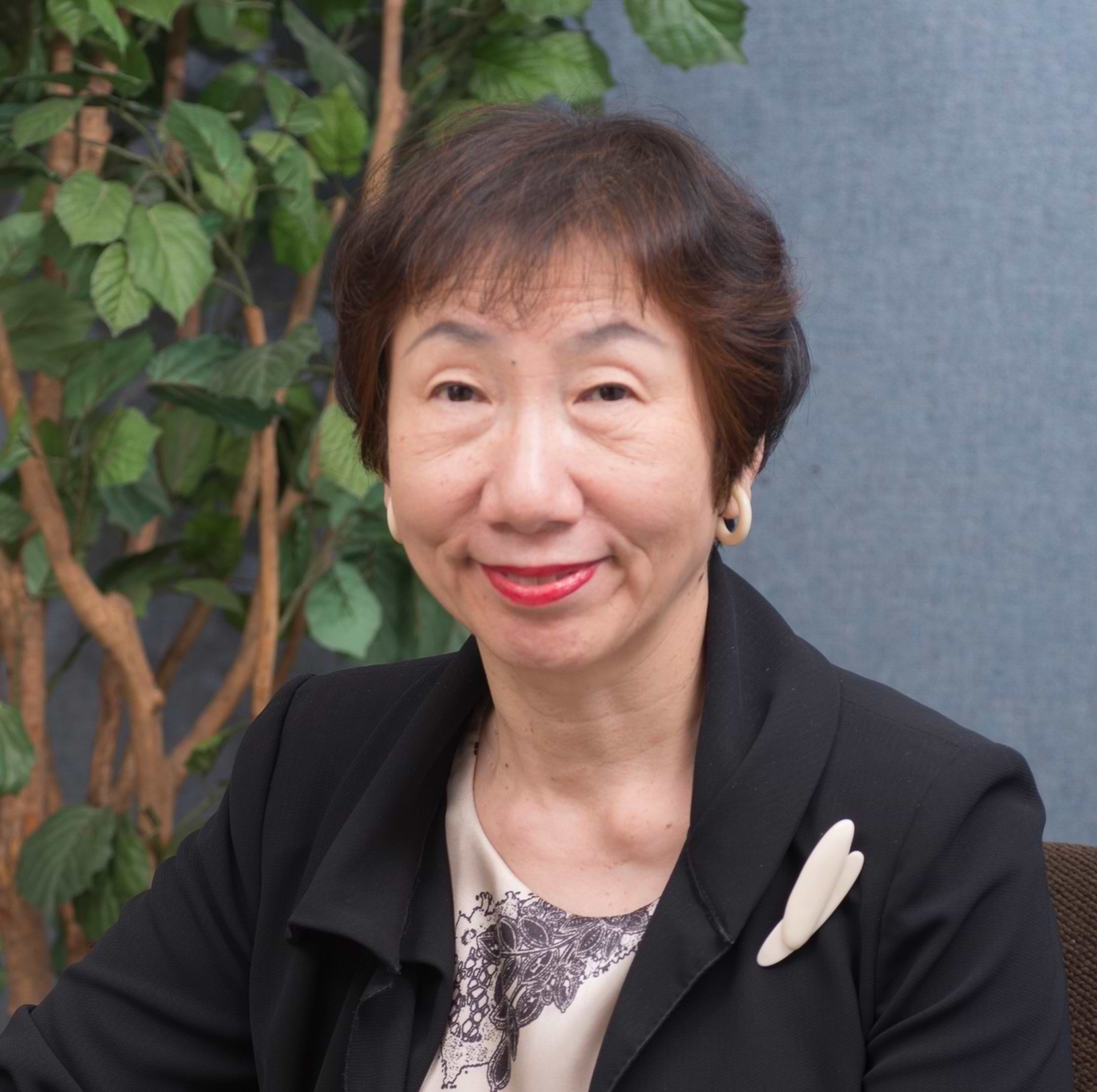
Yoko Takahashi
Public Interest Incorporated Association Japan Philanthropy Association
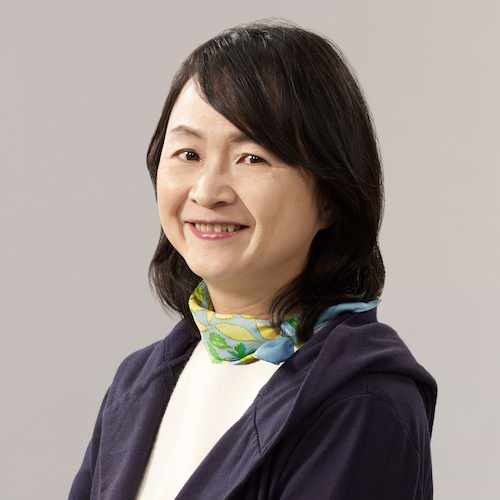
Ōuchi Sakurako
Dentsu Inc.
Yumiko Umezu
Dentsu Inc.
This series explores how consumers' sustainability awareness has changed during the pandemic and the future of corporate purpose branding.
In Part 3, we introduced the concept of 'small efficacy,' coined from a Dentsu Inc. survey revealing consumers' belief that 'even if each person's power is small, if they have the will, they can change the world for the better.' We discussed how this will be key to future co-creation between companies and consumers.
Now, regarding this "small sense of efficacy," the latest survey results show it is particularly high among older female demographics, especially women in their 60s and above.
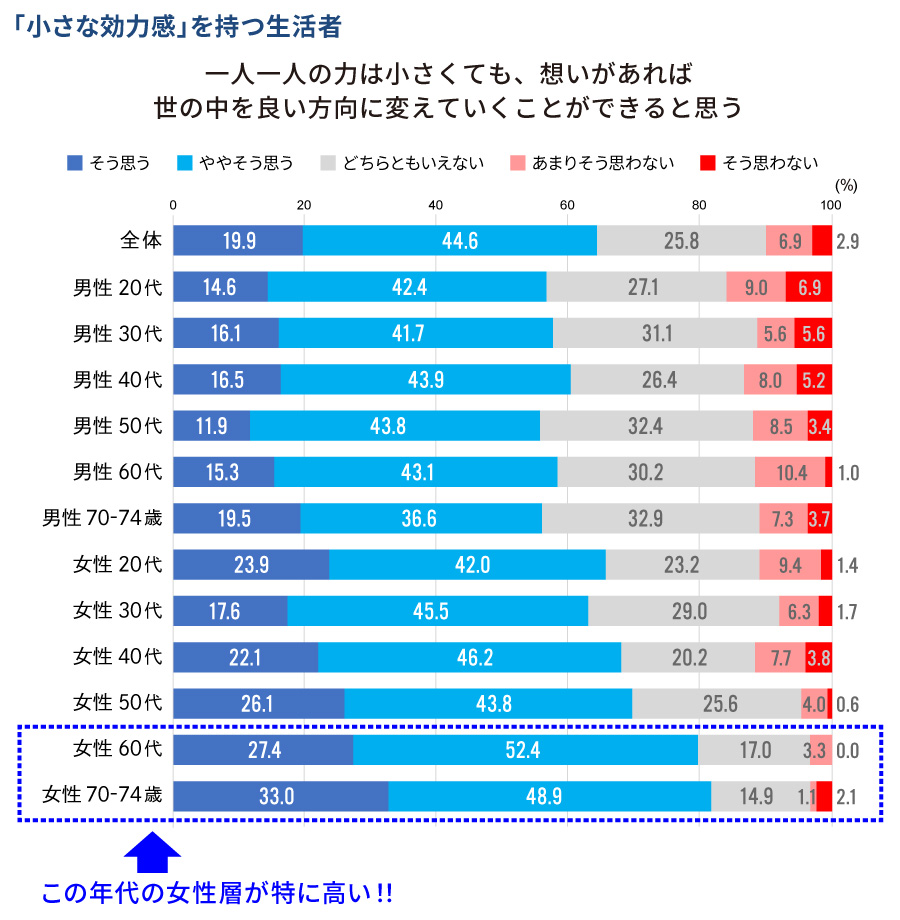
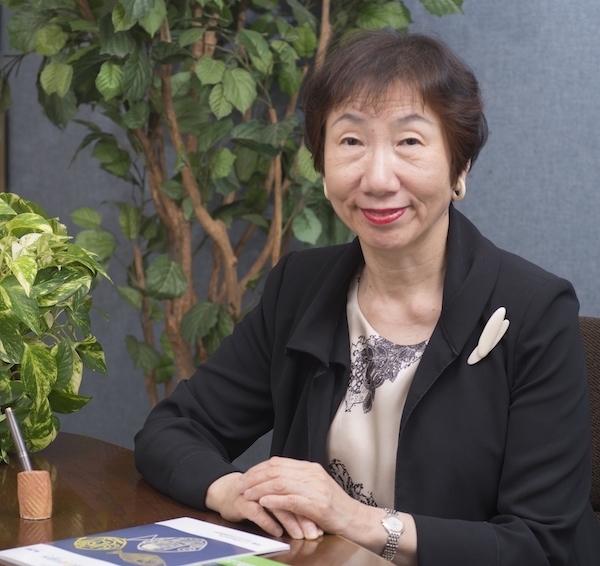
Building on these findings, we took a step further to explore insights and co-creation hints from these women in their 60s. Dentsu Inc.'s Sakurako Ouchi and Yumiko Umezu interviewed Yoko Takahashi, Chairperson of the Japan Philanthropy Association, as a guest.
[Japan Philanthropy Association]
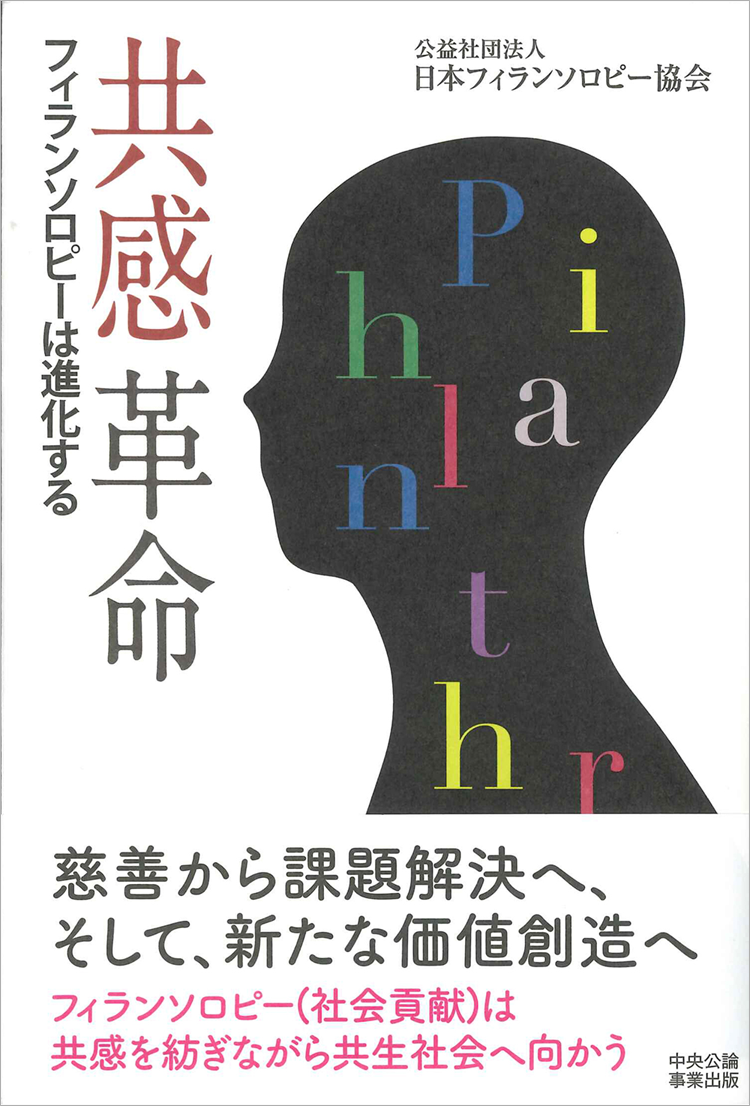
Established in 1991. A pioneer in the industry, supporting the advancement of philanthropy (social contribution) for numerous companies from the dawn of CSR in Japanese business to the present day. Also renowned as the organizer of the annual "Corporate Philanthropy Awards." In recent years, it has widely promoted philanthropy among the general public through unique social contribution initiatives such as the "Birthday Donation" program. In April 2021, it published the book "The Empathy Revolution: Philanthropy Evolves," which explores the essence of humanity's "power of empathy" through dialogues with experts from various fields.
Association website: https://www.philanthropy.or.jp/
"Now is the time to make a difference in society!"
Umezu: Mr. Takahashi, through your work with the Japan Philanthropy Association, you have guided co-creation between individuals and corporations for over 30 years. You have also been personally involved in social contribution and witnessed the social participation of your generation up close.
We believe women in their 60s are particularly powerful partners for co-creation, enabling companies to build a better society going forward. How do you perceive the characteristics of this age group?
Takahashi: The current generation in their 60s was born around 1952 to 1960. This generation entered society before the Equal Employment Opportunity Act promoted women's participation, when full-time homemakers were still overwhelmingly the norm. Although gender equality was advocated since the postwar period, when it came down to it, few job options existed for women. Most lacked a sense of self-efficacy regarding their contribution to society. Yet, I believe they always harbored a desire deep down to be useful to society and achieve self-fulfillment.
Decades later, an era arrived where women's participation in society became commonplace. The high sense of efficacy among women in their 60s likely stems from two factors: the belief that "Now is the time I can contribute to society. It's an era where I can do it," and the confidence—including lessons learned from past struggles—that comes from having "managed child-rearing, housework, neighborhood relations, and family ties in my own way."
Ōuchi: Indeed, many women in their 60s seem active in NPOs and volunteer work. Historically, women have contributed significantly to their immediate communities—through PTA activities, reading aloud to children, and similar local efforts. Yet, as societal structures shift, the scope of society they engage with may be gradually expanding.
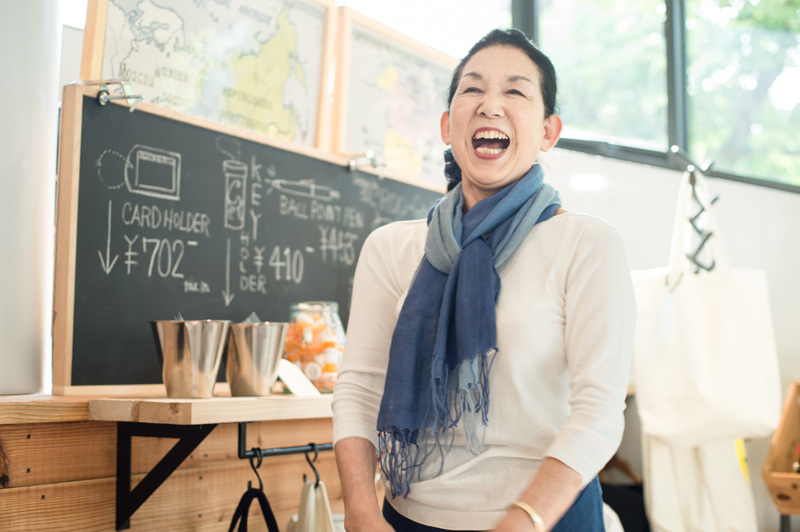
Takahashi: I think the spirit of mutual support is deeply ingrained in women in their 60s. Regarding child-rearing, especially in cities, nuclear families became the norm very quickly. But back then, social safety nets weren't as developed as they are now, so the reality was that you couldn't manage without helping each other out in the neighborhood.
When I was working while my child attended kindergarten, I once had a neighbor friend watch my child when they had a fever. But since I couldn't risk infecting her child with a cold, she then arranged for another family to watch her child. It's a generation that managed by helping each other like that, so perhaps they naturally feel inclined to help someone in need right in front of them.
Umezu: In that context, women might be relatively accustomed to perceiving "society" as something "continuous with their own lives."
Could that background be a factor? Lately, amid the pandemic, we've seen social issues come into focus—support for struggling single mothers, or issues like period poverty. We often see people in communities taking the lead on such activities.
Incidentally, I once saw on TV middle-aged and older women in Osaka supporting the homeless. You could say their "noble meddling" solves social problems.
It takes courage and profound compassion to step into areas where we tend to hesitate or hold back—areas that feel like intruding on someone else's life. I felt this was a strength born precisely from having accumulated diverse life experiences. I want to become that kind of woman! This experience gave me a positive, lofty goal for my own aging self.
Takahashi: This is purely my personal observation, but I feel many women instinctively respond to matters of life, peace, and justice.
Furthermore, not limited to women, those in their 60s lived through Japan's high economic growth, the bubble economy and its collapse, the Lehman Shock, the Great East Japan Earthquake, and now the COVID-19 pandemic. They've experienced the shifts of many eras. Perhaps that's why they can consider people from so many different positions. Having witnessed and known so much change, they likely possess many points of empathy.
One trigger for women starting volunteer work is their husband's retirement!
Ōuchi: While this generation may not be the most prominent in leading societal change, they often work within organizations and communities to tangibly improve things starting from their immediate surroundings. In a way, it's often about starting from what's within their reach.
Takahashi: Beyond heightened sensitivity to their surroundings, I believe the changing times also energize women in their 60s. For example, household chores and childcare—tasks long shouldered by many women—were often dismissed as work that merely maintains the status quo or doesn't translate to economic value. But as times changed and the value of these tasks was reassessed, the realization that "what we've been doing is valuable" must have been significant.
Ōuchi: Indeed, with the changing times and the emergence of the concept of the "100-year life," it seems likely that some women are starting to participate in society, thinking, "We still have a lot ahead of us."
Takahashi: Incidentally, one common trigger for women starting volunteer work is their husband's retirement. When husbands are home all day, they tend to nag, and preparing three meals a day becomes a hassle. So, they start volunteering as an excuse to get out of the house (laughs). Eventually, husbands often tag along or get roped into helping, so in many cases, wives are the catalyst for men starting volunteer work too.
Umezu: That's an interesting phenomenon. I thought women in their 60s were promising as co-creation partners for companies, but if we can ultimately involve their husbands too, we can expect even greater effects.
The challenge lies in creating opportunities for women in their 60s to shine
Umezu: Next, let's consider how companies should approach women in their 60s. A phrase from the recently published book "The Empathy Revolution: Philanthropy Evolves" by the Japan Philanthropy Association stuck with me: "What Japanese people need is a 'place to belong' and a 'role to play.'"
Takahashi: "A place to belong and a role to play" are terms often used in welfare. Thinking specifically about women in their 60s, it's important not only that they have "a place to belong and a role to play" within their homes, but also that opportunities for them to shine are prepared outside the home. Especially for this generation whose children have grown up, having a role where they feel useful in society can give their lives a sense of expansion and allow them to feel happiness as individuals.
For example, Sogo & Seibu, a winner of the 2020 Corporate Philanthropy Awards, set up counters in their stores to collect children's shoes that are no longer worn. They then distribute these collected shoes to children in developing countries.
The Western confectionery brand Henri Charpentier sells gift boxes with one less pastry at the regular price. The amount saved, equivalent to the cost of one pastry's ingredients and materials, is donated to organizations supporting recovery from the Great East Japan Earthquake and used for initiatives like scholarships to train pastry chefs. These efforts create opportunities for customers to contribute to society.
Ōuchi: That's interesting. The key point is that these aren't grand gestures, but rather opportunities that feel close to home for customers.
Umezu: Absolutely. If suddenly asked to engage in social contribution or volunteer work, people might feel intimidated. Starting with small, relatable actions in their daily lives is crucial. This concept aligns with the "birthday donation" initiative promoted by the Japan Philanthropy Association.
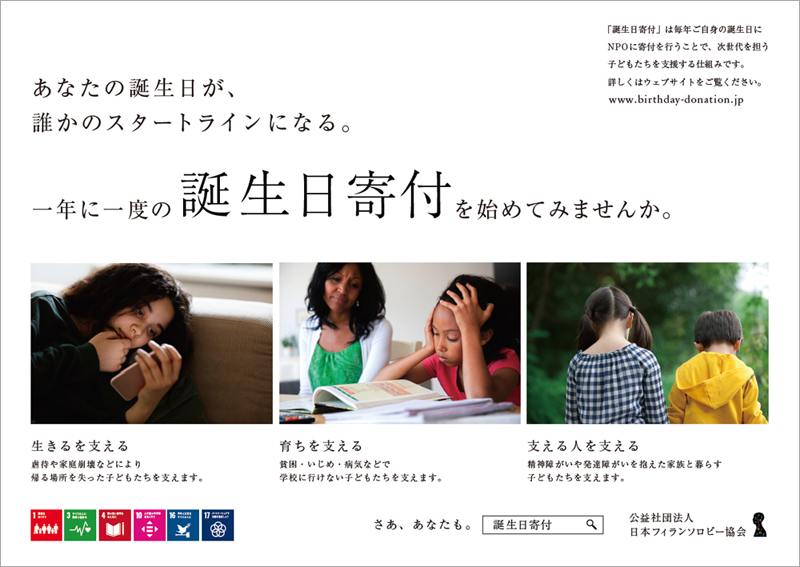
Takahashi: Exactly. Donating on your birthday or wedding anniversary for the future of children, grandchildren, and the next generation. We started because we thought it was wonderful that your birthday or anniversary could become a special day for someone else too.
Umezu: Every single day, someone's sense of efficacy is constantly being realized. This initiative is wonderful!
Takahashi: I once heard about a facility in a London neighborhood providing meals for low-income residents. Sometimes, someone would bring ingredients to the kitchen saying, "Today is my birthday." It's not grand at all, but within the simple exchange of "Thank you" and "Happy birthday," there's a quiet kindness and modesty. I feel this resonates with Japanese values too.
Umezu: I see. Combining that "unassuming kindness and modesty" with efficacy... That could be a planning hint too.
Becoming more altruistic with age is rational!
Ouchi: In your earlier book, you mentioned, "People become more altruistic as they age. An aging society is one where more people find happiness."
Takahashi: Becoming more altruistic as you age is, in a sense, rational. There's not much good to be gained from constantly seeing yourself grow weaker and older (laughs). So, rather than focusing on yourself, directing your efforts toward others ultimately leads to a healthier, more energetic life.
Umezu: That's an interesting perspective. Thinking about it that way, is it also important to make visible the results of each person's efforts for others?
Takahashi: Visualizing the impact of helpful actions is important, but it doesn't necessarily require detailed quantification. I believe the real value lies in feeling satisfied—"I'm glad I did that. I'll keep trying next time"—while holding a strong desire for society to become better.
The same applies to companies, right? In an interview, Professor Emeritus Ikujiro Nonaka of Hitotsubashi University stated, "The three major diseases of over-analysis, over-planning, and over-compliance have exhausted Japanese companies. Instead, we need to unleash the inherent wildness and creativity within humans, aiming for a greater common good (a universal good accessible to all)."
KPIs and results are merely means to an end. Rather than being fixated solely on immediate outcomes, returning to the fundamental question of why we exist—revisiting our purpose—is what breeds a sense of fulfillment, enjoyment, and pride in our work. This, in turn, leads to the development of meaningful, purpose-driven companies.
Empathy Across Generations Transforms Society
Takahashi: What's needed in this era isn't half-hearted improvements, but creating dynamic currents that impact society. And what's essential then is empathy and trust as human beings, transcending generations and attributes, along with a shared awareness of the common good.
Ōuchi: I want to foster co-creation between consumers and companies centered around "empathy." It might sound like empty rhetoric, but today really made me think about that again.
Takahashi: Ah, "idealistic" is perfectly fine. Ideals aren't supposed to be practical. They're what we strive towards!
Umezu: Today, we heard many valuable insights and hints about how to spark a "small sense of efficacy" in women in their 60s.
In our daily work with advertising communication, we may have tended to view "empathy" within a very narrow scope.
But now, I believe what's truly needed to foster co-creation between consumers and companies is a much larger-scale "empathy" – one where "as that empathy expands, people can live better lives, and society changes." I believe companies that can generate such empathy will be cherished by people as "comrades." And I deeply felt that we at Dentsu Inc. must further hone our communication skills to generate this essential "empathy."
Thank you, Mr. Takahashi!
Survey Overview
Awareness Survey on "Sustainability" and Corporate/Brand "Purpose (Social Ambition/Social Existence)"
-
Survey Method: Online survey
-
Survey Period: October 26–28, 2020
-
Survey Area/Subjects: 2,000 men and women aged 20–74 nationwide
-
Research Agency: Dentsu Macromill Insight, Inc.

Was this article helpful?
Share this article


Newsletter registration is here
We select and publish important news every day
For inquiries about this article
Back Numbers
Author
Yoko Takahashi
Public Interest Incorporated Association Japan Philanthropy Association
Chairman
Ōuchi Sakurako
Dentsu Inc.
Sustainability/Purpose Project Lead, CSR and CSV Consultant
Yumiko Umezu
Dentsu Inc.
Third Marketing Bureau
Marketing Consultant