Note: This website was automatically translated, so some terms or nuances may not be completely accurate.
 The Future of Communication Unlocked by Biometric Signals [9/10]
"The Global Standard is Simplicity" neurowear Roundtable Discussion: Part 1
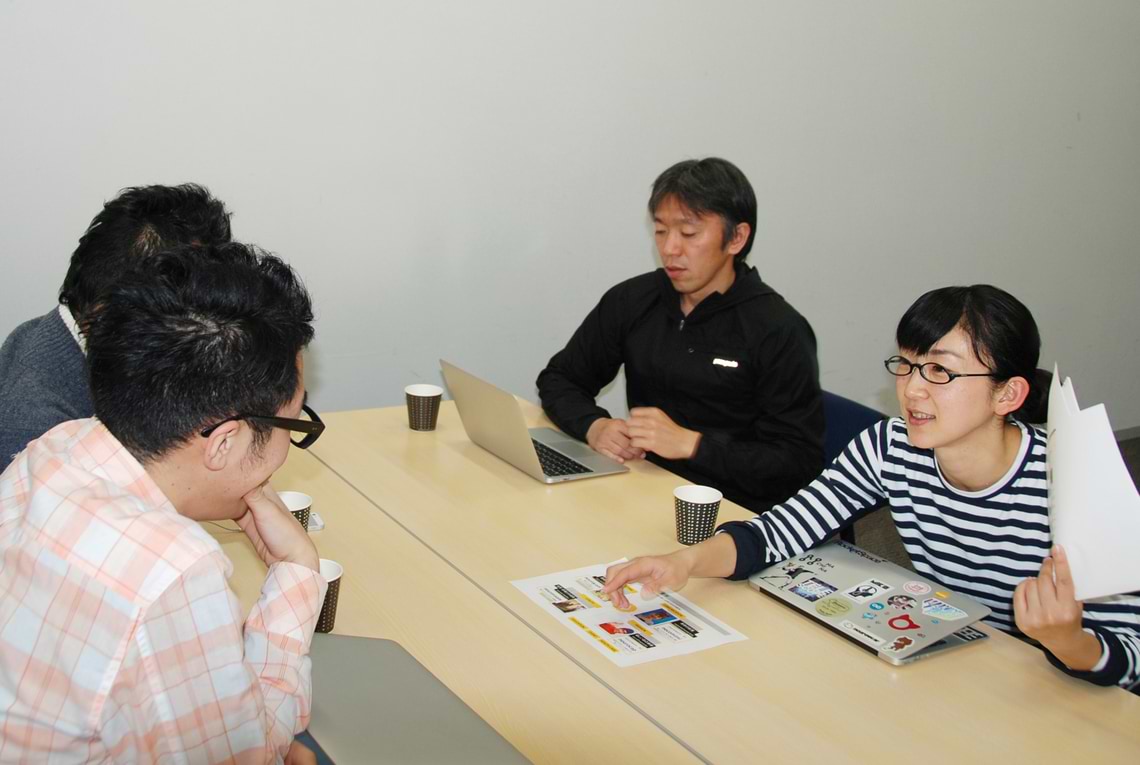
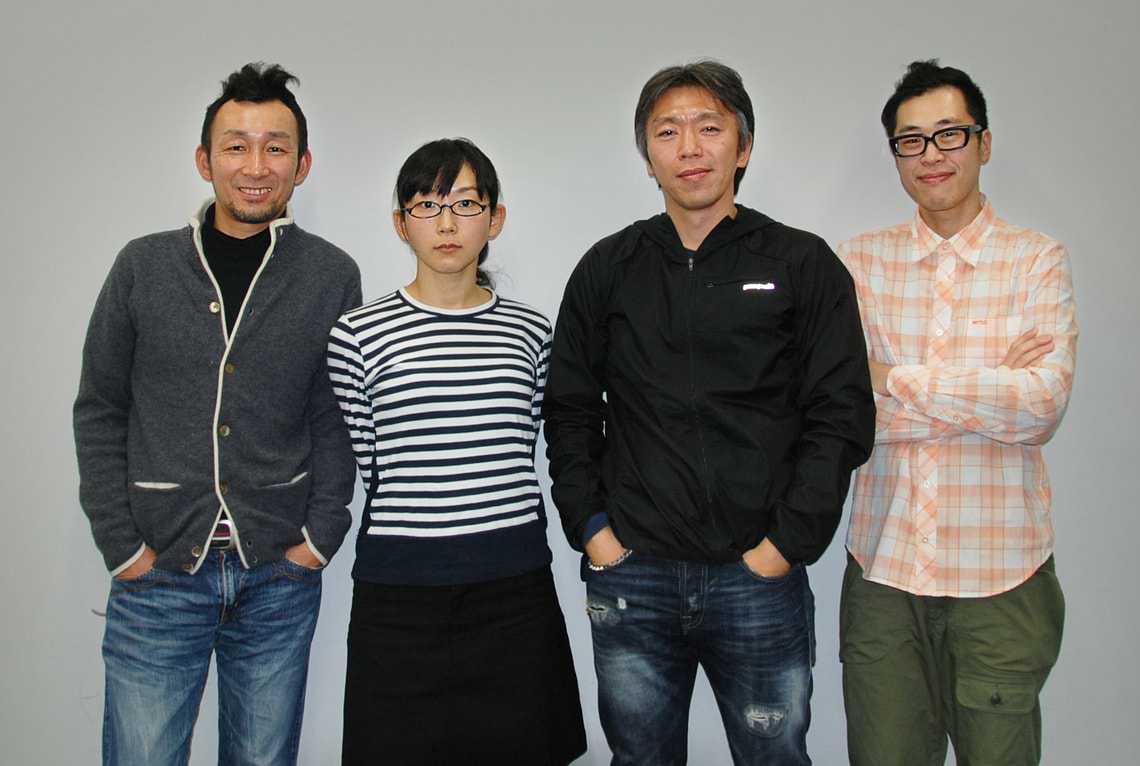
"The Future of Communication Unlocked by Biosignals" Episode 9 featured a talk session with the neurowear team: Kagaya-san, making his first appearance in this series, alongside familiar faces Kamiya-san, Nakano-san, and Tsuchiya-san. This time, we once again discuss necomimi and mico.
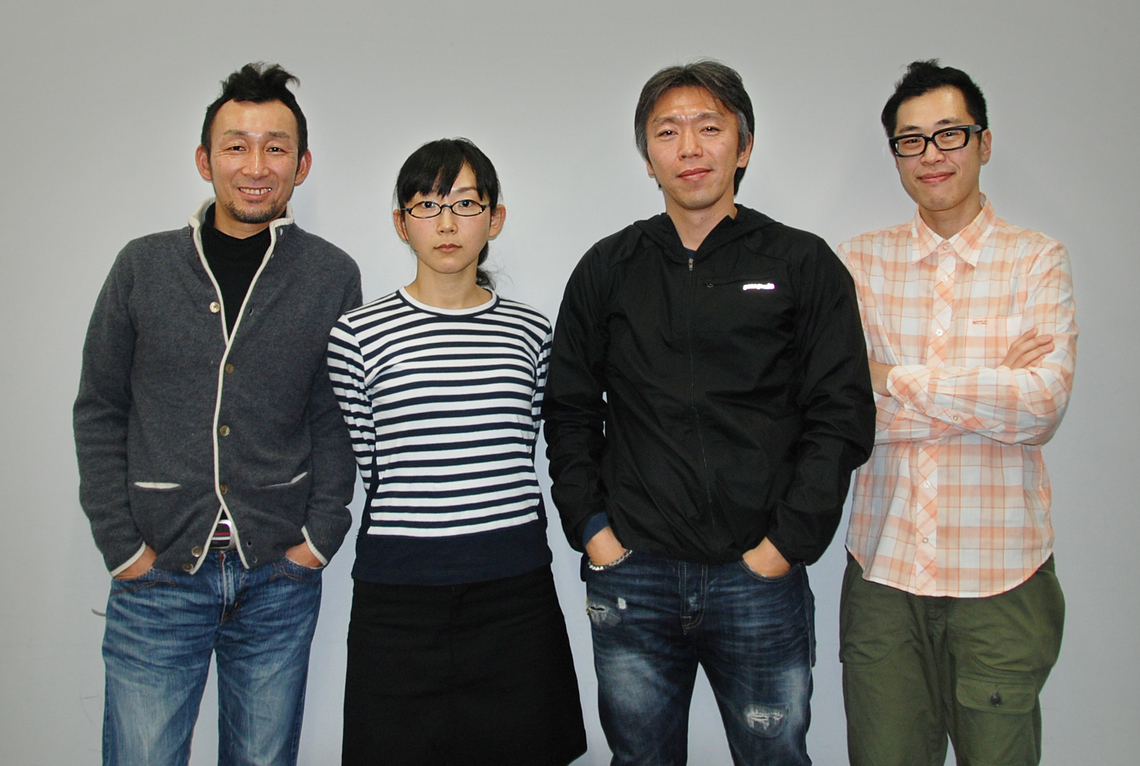
Creating new communication experiences is our mission
Kagaya: It's been a while since all four of us gathered, so let's look back on what we've done so far. Tsuchiya-kun wasn't a member yet during the necomimi days, right?
Tsuchiya: That's right. The story of necomimi—where a prototype went viral and led to commercialization—is becoming standard now, but it was rare back then. Also, brainwaves and bio-signals weren't really a big deal in the world yet, were they?
Kagaya: Not really. My trip to Silicon Valley was the start – I happened to visit NeuroSky.
Nakano: They showed me NeuroSky's brainwave visualizer. Seeing alpha waves and beta waves for the first time, I thought visualizing brainwaves was fascinating.
Kagaya: Contextually, the experience of making the invisible visible was novel. As part of the trend in our information society, value is shifting toward "invisible things."
Tsuchiya: True. There are limits to what humans can detect. For example, image sensors outperform the human eye, and there's research on reading emotions from subtle facial expressions. When sensors become more capable than humans, how can we use that technology to augment the body? How will communication change?
Kagaya: Creating new communication experiences is our team's mission. The idea for necomimi emerged during discussions about "creating new expressions and media using brainwaves."
Kamiya: We started with no money or resources, gathering after work on weeknights like a club activity.
Kagaya: What's impressive about necomimi is that, aside from the concept video production, we spent zero yen on promotion. That was amazing. It really rode the wave of the times.
Kamiya: Though we'd be in trouble if we got that kind of order (laughs).
Nakano: We did have experience creating buzz videos for campaigns, so we had that know-how.
Kagaya: But we targeted overseas markets. Since necomimi was designed as a non-verbal communication tool, we thought it would resonate globally. That's why the concept video, born from Nakano's imagination, got more views overseas than in Japan. That gave us a real sense of promise.
Tsuchiya: Also, releasing the experience videos featuring actual test subjects alongside the concept video probably helped convey that this wasn't just a concept model, but a working prototype.
Kagaya: Our entire team comes from internet backgrounds, so we intuitively understand how to present things in a way that resonates with users.
Tsuchiya: After necomimi, there's definitely been a sense of bio-signals gaining recognition and a market forming. We've seen things emerge that use bio-signals as triggers to control various things. Recently, there's also been a trend of hacking necomimi to try different things.
Kamiya: Looking at Twitter, you often see people buying necomimi specifically for hacking. It's become the most accessible brainwave sensor out there.
Nakano: At an AT&T hackathon (a development event where programmers collaborate intensively), an engineer hacked necomimi to create a system that automatically responds with "Sorry, I'll call you back later" to calls received while concentrating. There was even a video of him wearing necomimi on just one ear while collecting his prize money (laughs). It felt rewarding to contribute to expanding an entire genre.
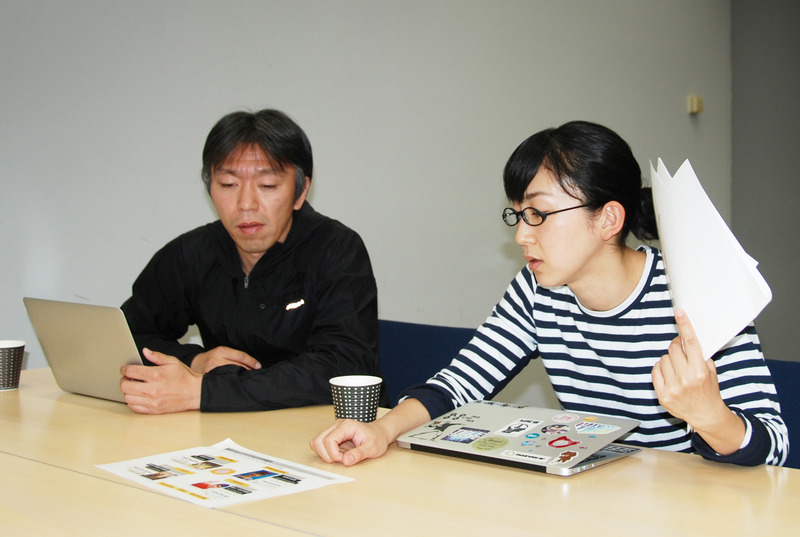
Speaking of mico, creating the data was a real ordeal.
Kamiya: mico only became possible because Tsuchiya joined the team.
Kagaya: Since Tsuchiya-kun is strong in media art and computer music, we decided to go in that direction.
Tsuchiya: Initially, mico was based on research into evocation. For example, a control system where if you think "classical, classical" in your head, classical music plays.
Kamiya: The theme was how to find music that suits you from the infinite amount available. But evoking music was surprisingly difficult. You'd think of classical, but then enka would come on, and you'd be like, "Seriously?" (laughs).
Nakano: I couldn't even picture genres like rock or jazz. "What even is fusion?" It felt nonsensical that to find music, you first had to study music...
Tsuchiya: After deep discussions like that, we focused on making the experience fun even with some variation in results, like necomimi. That led us to the current mico experience, where it's more like, "Well, this is what came up."
Kagaya: Speaking of mico, creating the data is pure torture, right?
Tsuchiya: To train the model with data like "Listening to this music produces this brainwave pattern," we had to collect brainwave patterns. We gathered all kinds of music, and every team member was roped in to listen with brainwave sensors attached. It was incredibly tough (laughs). We had to listen to music we didn't even like, and we had to keep the sensors on the whole time.
Kagaya: That was brutal. Normally, you just let music wash over you. But since we were measuring brainwaves, we had to stay fully immersed in the music, which required insane concentration. I doubt anyone else in the world has gone through that level of suffering to tag data (laughs). You know the Music Genome Project, right? They analyze music using about 400 elements. This was pretty similar.
Tsuchiya: With the Music Genome Project, the position is that professionals analyze the music, right? But with mico, we wanted brainwave data from ordinary people listening to music, so we collected data including our own. It was tough.
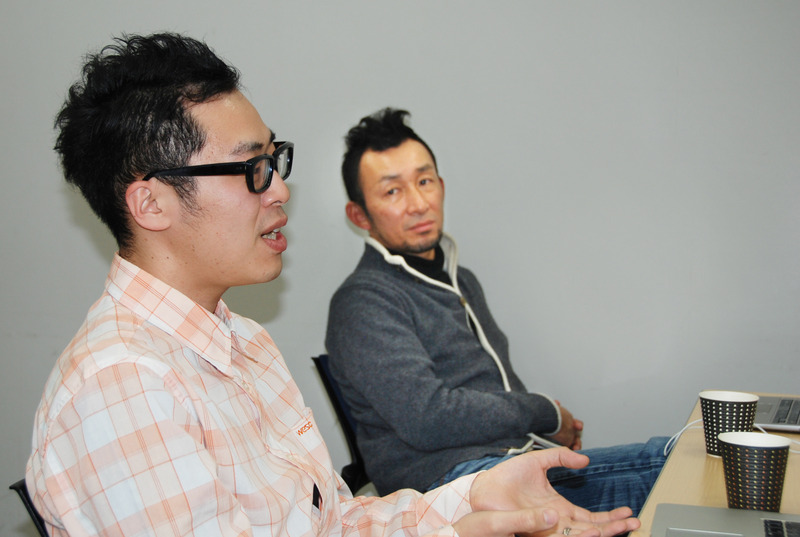
Simplicity is consistent throughout neurowear's planning.
Kagaya: What was the feedback like from people who tried mico, including users overseas?
Tsuchiya: The experience itself—having music selected to match your mood—is so novel that people really love it. Also, a difference in overseas reactions compared to Japan is that they ask, "What's the purpose of this?" In Japan, questions often lean business-oriented, like "Will this make money?" But overseas, they ask about the concept. When we explain it properly, everyone goes, "Ah, I see," and gets it.
Kagaya: When I give talks overseas, some people become really passionate supporters of mico within the product lineup. When I ask why, they say, "I get the appeal of necomimi, but it doesn't feel functional. But with mico, I totally get how to use it! I feel it's functional, and that's why I really like it."
Nakano: We still get quite a few inquiries about mico.
Tsuchiya: When planning mico, we prioritized making it "explainable in one sentence." Complex concepts like "brainwaves make the music change this way or that" just lead to complicated explanations. Doraemon's secret gadgets have clear functions, right? Like "Open this door to go to another world" or "Put this on your head and you can fly." So saying "Headphones that pick music to match your mood" is easy to grasp. I think that's consistent with neurowear's planning too. Like "A turntable that plays when you concentrate" or "A camera that automatically shoots what catches your interest."
Nakano: Yeah, simplicity is key. Ultimately, if you want to communicate effectively overseas, you need to convey it in one sentence. Otherwise, you'll struggle with the English yourself (laughs).
Tsuchiya: I think there's also an approach where you focus solely on the Japanese market and create high-context products. But that's not what we're aiming for.
Nakano: We thought we made necomimi pretty straightforward, but overseas people called it "bunny ears," and experiencing that cultural difference made me realize how tough it is to aim for something universally understandable.
[ To be continued ]
Was this article helpful?
Share this article


Newsletter registration is here
We select and publish important news every day
For inquiries about this article
Back Numbers
Author
Toshitaka Kamiya
Dentsu ScienceJam Inc.
Nakano Kana
Dentsu Inc.
Dentsu Lab Tokyo
Researcher
Articles by this person

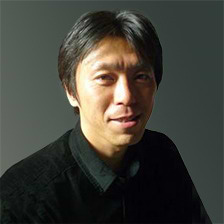
Tomonori Kagaya
Director / Planner
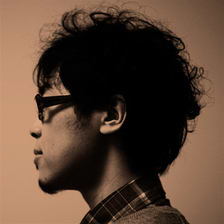
Yasuhiro Tsuchiya
Dentsu Inc.
zero/Dentsu Lab Tokyo
Creative Technologist / Researcher