Dentsu Inc., which champions the new-era model “Marketing For Growth” to support clients through data-driven marketing.
Members who have been involved in "PR" in various capacities have launched "PRUS," a virtual organization designed to incorporate "PR thinking" into integrated planning and marketing. In this series, PRUS members will unravel the essence of PR—which is still often misunderstood—and explain why it is essential for all corporate activities today.
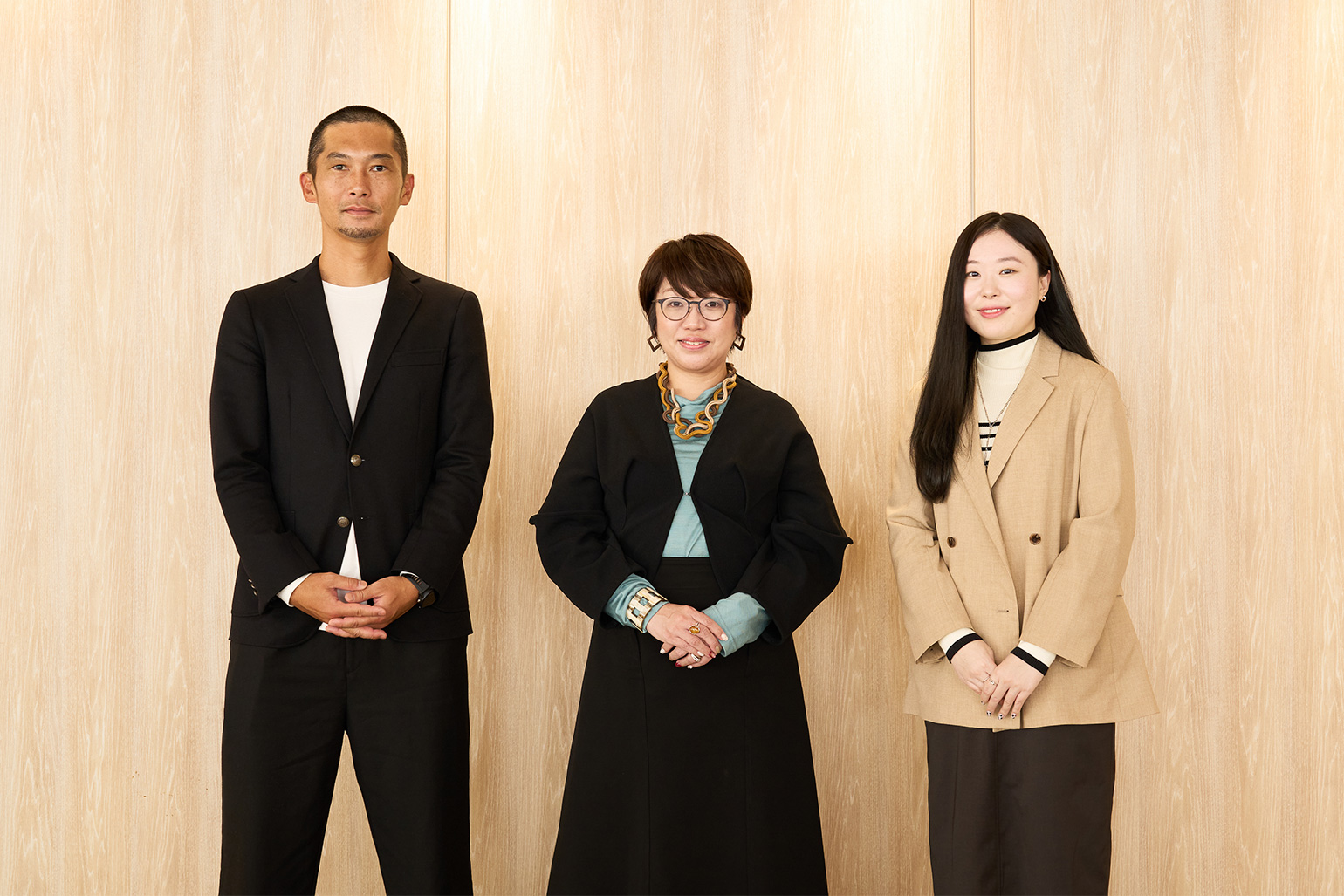
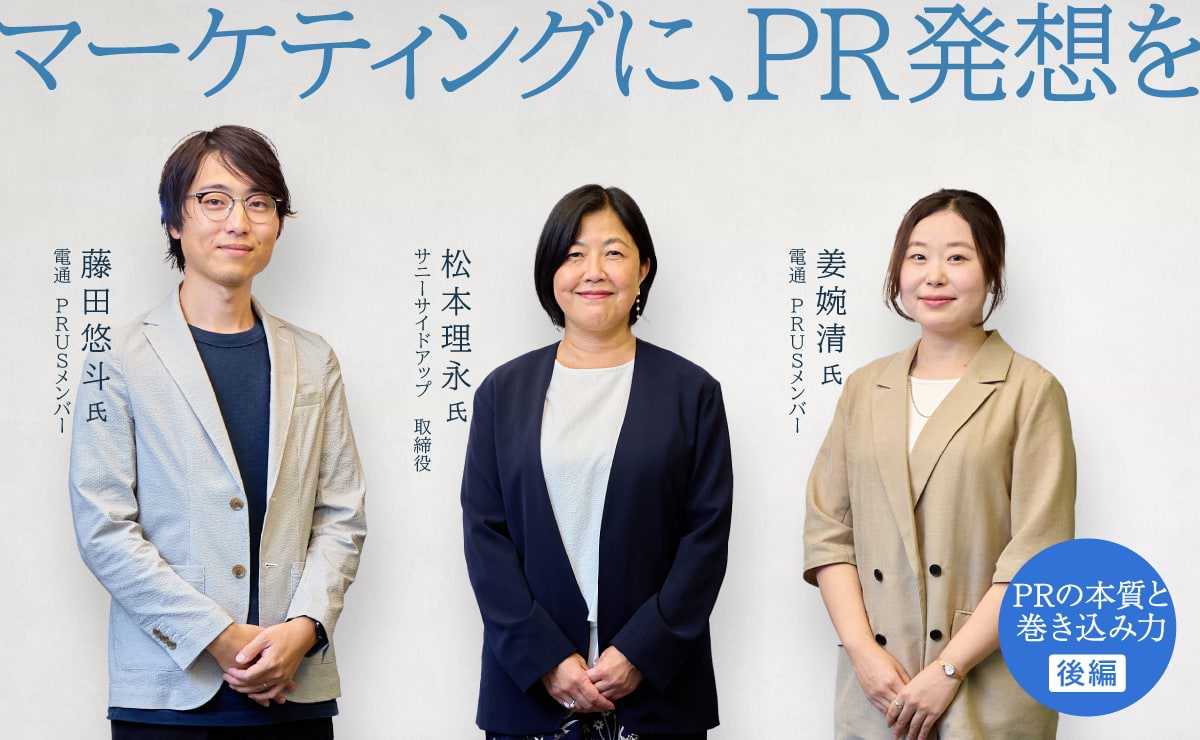
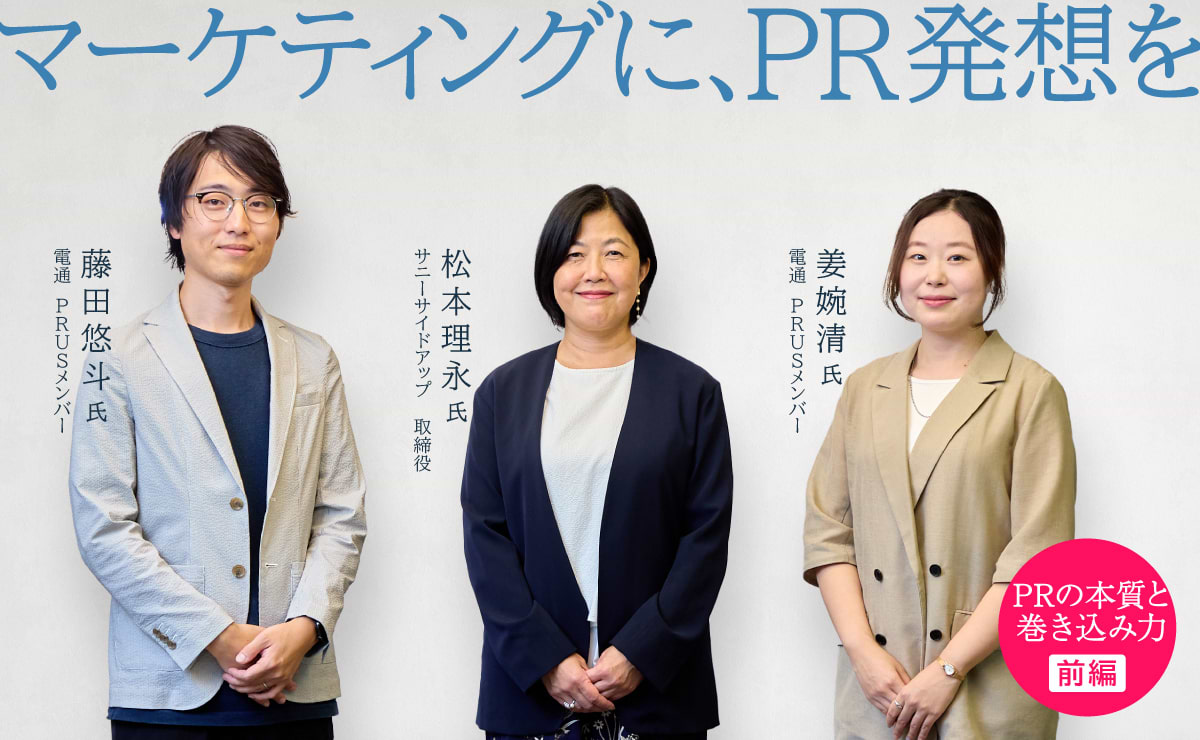
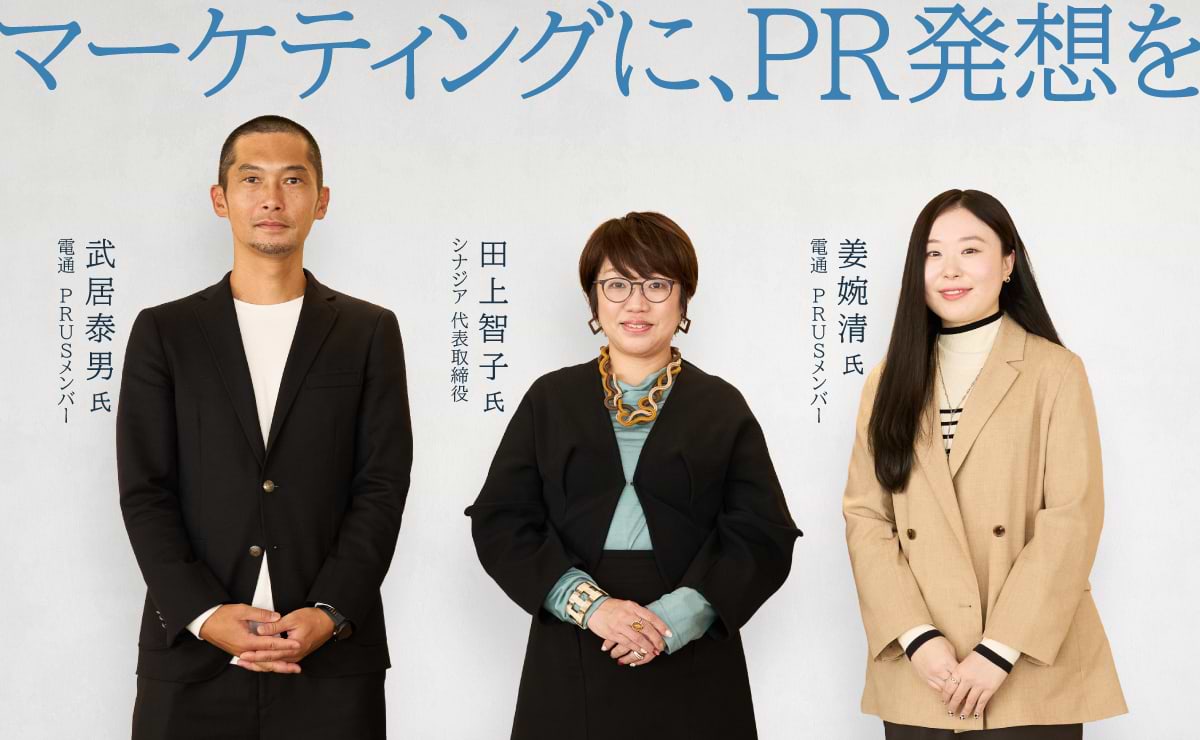
Our guest this time is Tomoko Tagami, Representative Director of “Synergia,” a consulting firm that leads business growth through social innovation. Dentsu Inc.’s Marketing Division 6 members Yasuo Takei and Ensei Kyō spoke with her about trends observed through the various PR awards she has judged, as well as what is required for “co-creative marketing with a PR mindset.”
"PR-Oriented Marketing" Requires Adopting a Perspective of "Our Company Within Society"
Takei: First, please introduce yourself.
Tanaka: After working for 25 years in marketing, PR, and public relations at P&G, and serving as Chief Corporate Communications Officer (Executive Officer) at Shiseido, I founded “Synergy,” a consulting firm that leads business growth through a social perspective, in September 2024.
Kang: Mr. Tagami, you also serve as a judge for various PR awards, don’t you?
Tanaka: Yes. I have been a judge for the PR Awards organized by the Japan Public Relations Association since 2019, and last year I served as the chair of the judging panel. I am also a judge for the PR category at the 2024 Cannes Lions, and I will serve as the chair of the PR category judging panel at Spikes Asia, which will be held in March 2026.
Takei: Mr. Tagami, you’ve been involved in the PR and marketing fields for many years. What are your thoughts on “PR-inspired marketing”?
Tanoue: To put it simply, I believe “PR-inspired marketing” means adopting a “multi-stakeholder perspective”—that is, viewing the company from the standpoint of “our company’s place within society.”
It is often said that in marketing, it is important to consider the Who, What, and How (who to sell to, what to sell, and how to sell it), but in reality, it is not just that. Before considering the Who, What, and How, it is necessary to determine where your company’s brand and business stand within society—in other words, to establish a sense of “our company within society.”I believe that “PR-oriented marketing” involves not only focusing on the people who sell and buy products, but also recognizing the “multi-stakeholders”—those around them who influence the situation—and collaborating with them to drive consumers within a broader context, ultimately leading them to purchase our products and services.
Tomoko Tagami (Representative Director, Synergy)
Three Perspectives on Communication Strategies
Kang: Let’s delve into this a bit more concretely. Ms. Tagami, as a judge for the PR Awards, what are your impressions when reviewing various initiatives?
Tanaka: What strikes me most is that the old era of “adding PR as a supplement to advertising” is completely over. In today’s communication landscape, PR is not merely a downstream tactic—one of the “HOWs.”From the very stage of conceiving an idea from scratch, advertising and PR must be designed as an inseparable “single strategy.” Rather than simply disseminating information, the PR perspective—specifically, “what kind of relationship do we want to build with society?”—must be at the core of the initiative.
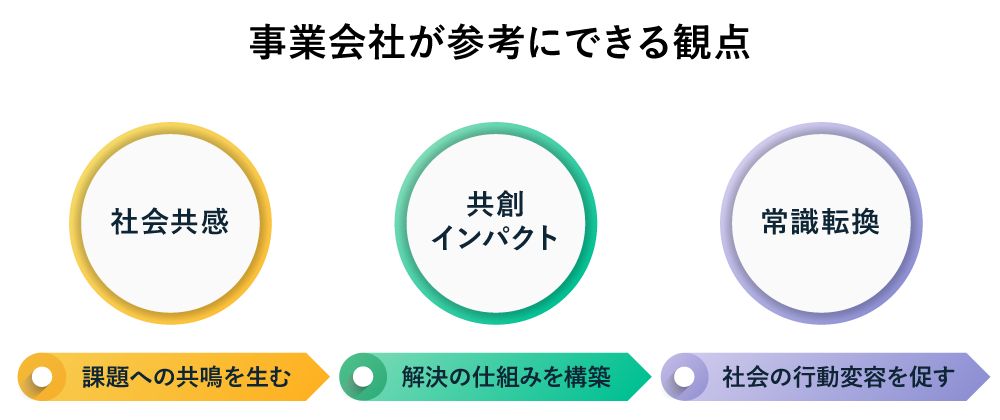
Furthermore, highly acclaimed initiatives today are not just about creating one-off buzz; they are meticulously designed to maximize engagement with diverse stakeholders through a multiplicative effect.Consumers, of course, but also employees, investors, and society as a whole… It has become essential to adopt the perspectives of these multiple stakeholders and weave a narrative that aligns with each group’s “cause.” Drawing on my experience as a judge for various PR awards, I will introduce the following three patterns that have proven successful in recent initiatives.
1. Social Empathy Deepening and expanding customer-centric problem-solving to address social issues. Thinking backward from social issues to identify areas the company can effectively address and then developing an approach.
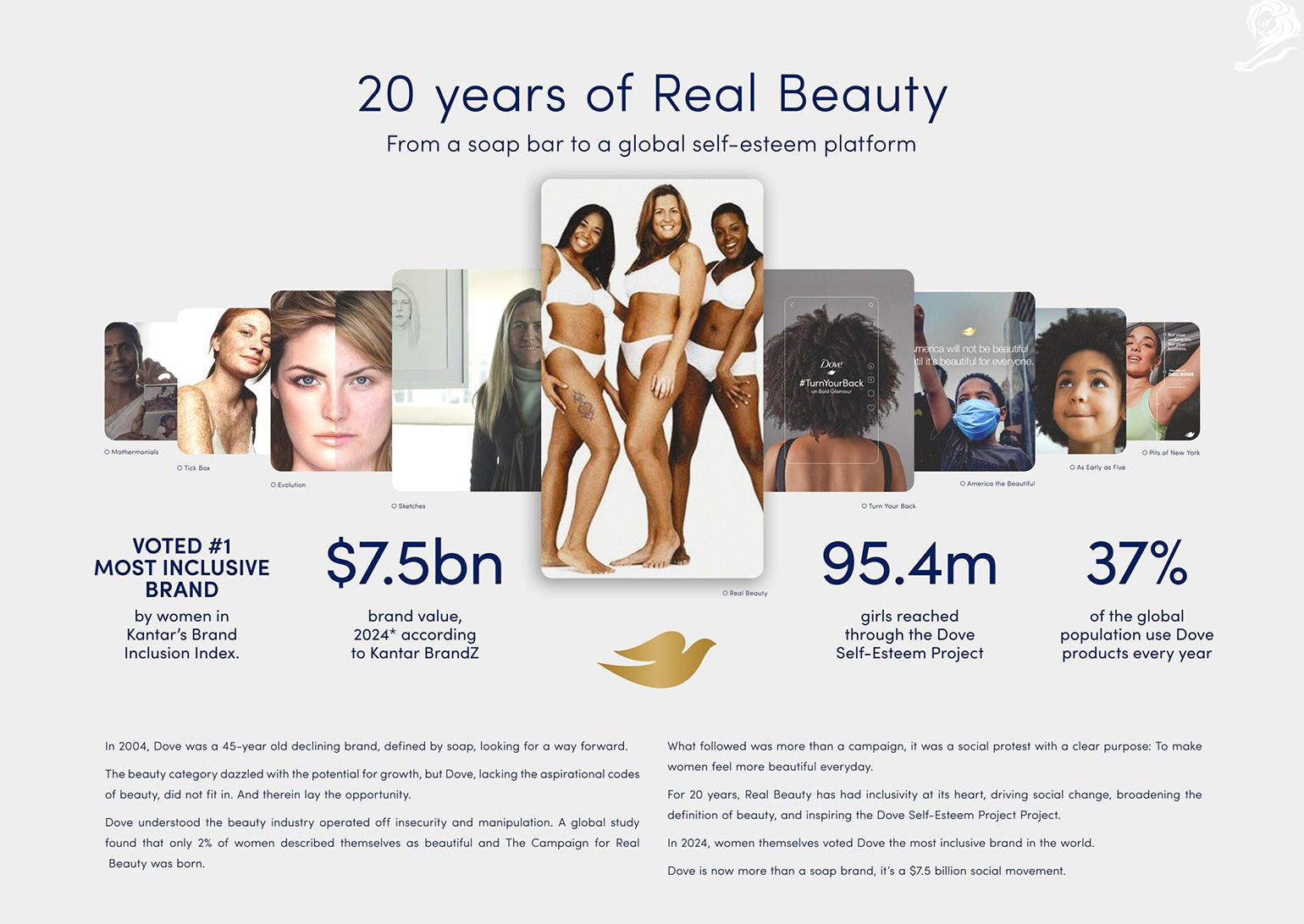
Tanoue: For example, Unilever was named Creative Marketer of the Year at the 2024 Cannes Lions. Unilever’s skincare brand “DOVE” celebrated the 20th anniversary of its global “Real Beauty” campaign in 2024.
DOVE has grown its brand by aiming to expand the concept of “beauty,” affirming the “diverse beauty” that consumers experience in their daily lives rather than a uniform standard of beauty.
Real Beauty: How a soap brand created a global self-esteem movement OGILVY UK, London / DOVE / UK
Tanoue: In communications, the essence of the PR perspective lies in considering “Where to Play” (where to operate) and “Why” before addressing “Who,” “What,” and “How.” It is precisely because of this perspective that I believe DOVE has achieved such skillful product positioning and, in terms of target audience definition—specifically “who to address”—has been able to execute campaigns that are inclusive and socially impactful, rather than narrowing the focus to a specific demographic.
2. Co-creation Impact By implementing co-creation initiatives that engage consumers and business stakeholders, and by skillfully leveraging trends that are already gaining traction among consumers, we spread the conversation throughout society and create impact.
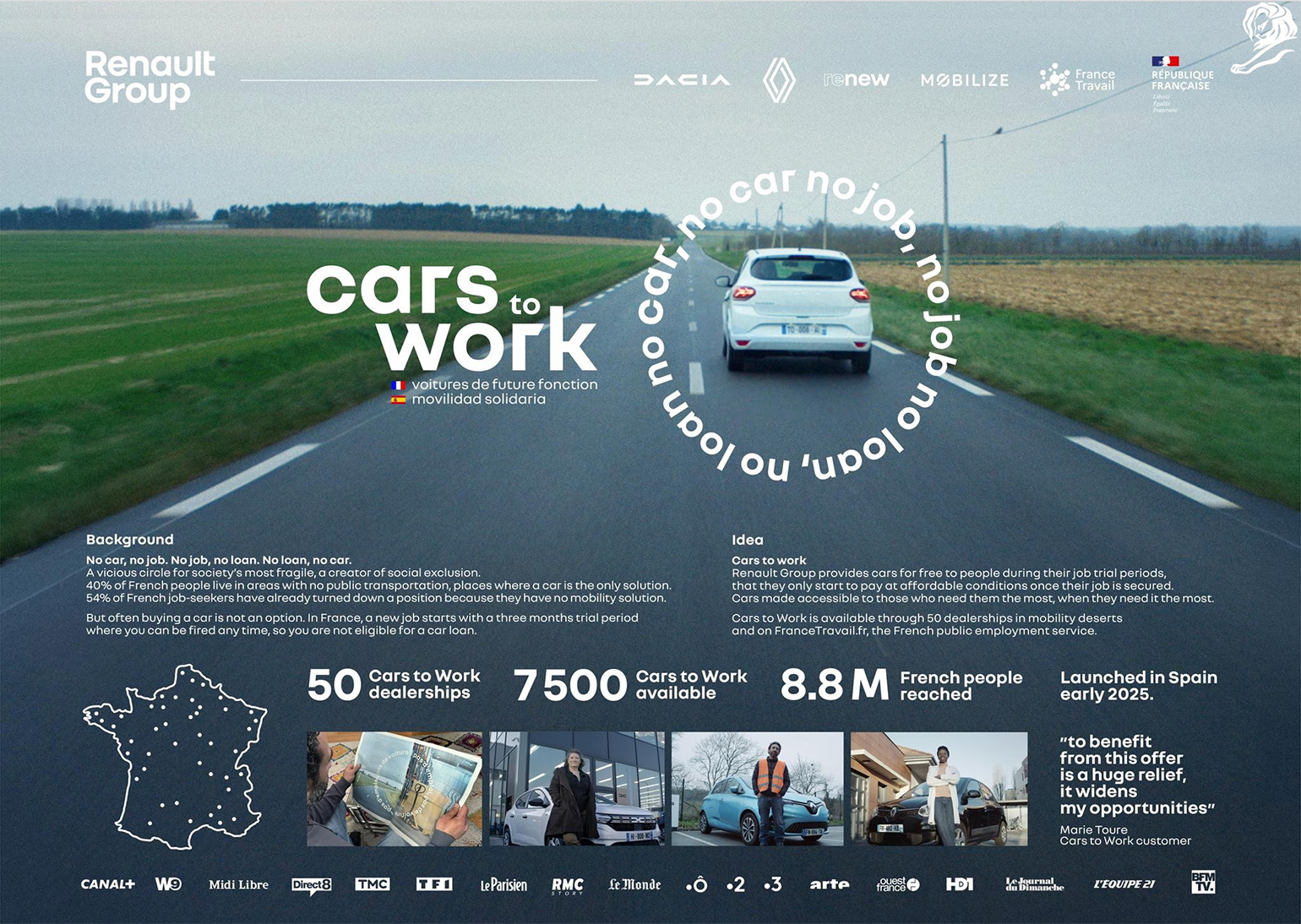
Tanoue: Social issues that are too large for a single company to solve on its own can reveal a path to resolution when we join hands with stakeholders, which ultimately enhances our brand value. Renault’s “Cars to Work” initiative, which garnered attention at the 2024 Cannes Lions, is a prime example of co-creation impact. “Cars to Work” is a program that provides a car free of charge during an employee’s probationary period, with the expectation that they will sign a purchase contract upon its conclusion.
Renault - Cars to Work Publicis Conseil, Paris / Renault / France
Tanoue: In modern urban areas like Paris, car ownership is not necessarily encouraged due to environmental concerns, and young people are increasingly turning away from cars. The era when simply airing commercials for new cars would guarantee sales is over. Amid this sense of stagnation, manufacturers need to shift their “Where to Play” perspective.
That is why Renault turned its attention to the so-called “mobility deserts”—areas found in large numbers in the French suburbs. Without public transportation, people cannot get to work without a car. However, without a job, they cannot secure a loan and thus cannot own a car… To break this vicious cycle, Renault partnered with a loan company targeting low-income individuals to establish a system where “payments do not begin for the first three months (during the trial period).”
This is not merely a sales promotion; it is a new business model that involves loan companies to present a solution. I found it to be an excellent program that combines social contribution—"supporting people’s self-reliance and nurturing them into future customers"—with the company’s long-term business interests.
3. Transforming Conventional Wisdom Generating ideas that create new value by utilizing perspectives that overturn conventional wisdom, as well as unique insights and methods.
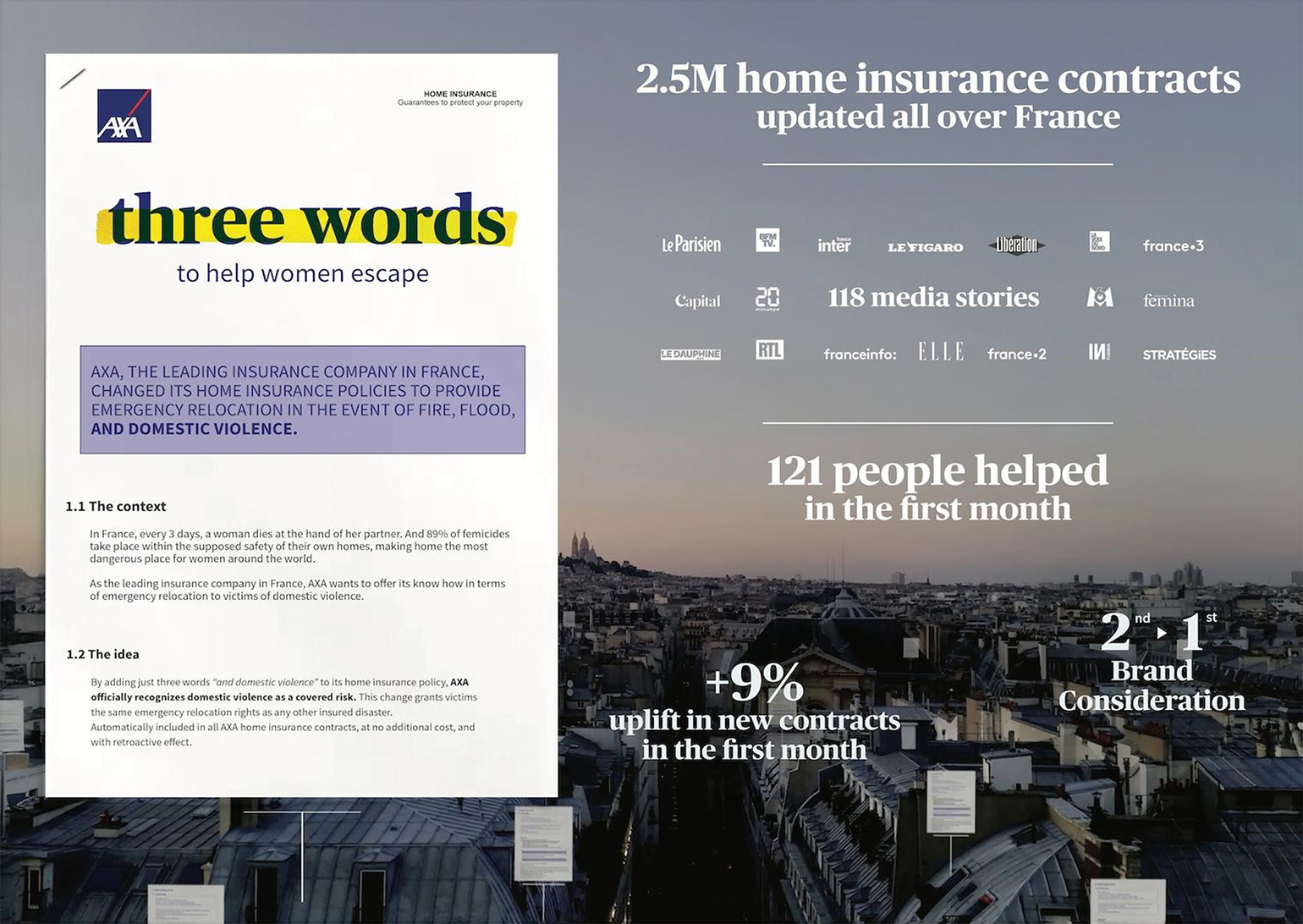
Tanoue: AXA Insurance’s “Three Words” is one of the standout entries at the 2025 Cannes Lions. The company added the phrase “and domestic violence” to the three words—“fire” and “flood”—already listed in its home insurance policy.By treating domestic violence as a household risk, this “Three Words” initiative provides victims with temporary housing free of charge and offers various forms of physical and emotional support. The naming itself is also excellent. I felt it was a creativity that challenges conventional wisdom, shaking the very definition of French home insurance (which is similar to Japanese fire insurance).
AXA - Three Words Publicis Conseil, Paris / AXA / France
Tanoue: Creating and communicating a new norm requires a high level of creativity. I believe this is difficult for a business company to achieve alone; it cannot be created without collaborating with an agency that possesses creative capabilities.
Behind the “Three Words” campaign lay AXA’s decade-long, steadfast efforts to support victims of domestic violence and its sincere commitment to DEI. Publicis Conseil, which understood this “journey” most deeply, stepped forward not merely as an advertising agency but as a partner in realizing AXA’s vision, proposing a plan to redefine the insurance business.I was told that the agency was able to make such a bold proposal—one that delved into the core of the company by suggesting changes to contract language—precisely because of the unshakable trust built through years of working side by side. It convinces me that it is this “partnership for transformation”—one that goes beyond the temporary connection of a pitch competition to stand alongside the client’s transformation and continuously share a deep context—that gives birth to the “paradigm shifts” that move the times. (※)
Regarding the three perspectives introduced here, operating companies should first implement steps ① and ②, and to scale them up, they need the creativity of step ③. Furthermore, I believe these three perspectives are actually interconnected: first, engaging in communication that fosters empathy for the company’s own challenges (①); second, when solving those challenges, building and expanding mechanisms that involve not just the company itself but also others (②); and finally, using creativity capable of shifting conventional wisdom to drive behavioral change across society as a whole (③).
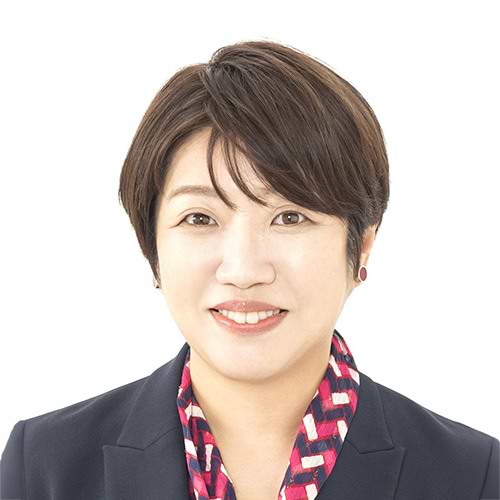
Ms. Kang Wan-cheong (Dentsu Inc., Marketing Division 6)
A medium- to long-term perspective with a guiding star is essential for the "shift to co-creation"
Takei: What should we focus on to transition from traditional marketing methods to co-creation?
Tanaka: When I look at initiatives and communications that have been recognized at various awards, I feel they are designed and implemented with the aim of achieving multiple positive outcomes for the business—not just sales figures, but also, for example, increased employee engagement.
To realize such initiatives and communications, it is essential to adopt a medium- to long-term perspective. I have worked on the corporate side for over 30 years and founded my own firm in the communication consulting sector in 2024. When I’m approached for a project, I first review the company’s investor relations (IR) materials. Where does this company face management challenges? IR materials outline the company’s overarching philosophy and its medium- to long-term goals, and new products should be the tangible manifestation of those goals.
It’s not just about how to make a new product go viral; it’s about considering the product’s position in society as something unique to that company, fostering empathy around it, identifying opportunities for co-creation, and—ideally—developing creativity that can challenge conventional wisdom. Thinking through this process reveals many potential insights.
I often use the terms “logic” and “magic.” While business companies inevitably tend to think in terms of logic, I believe it is “magic”—that is, creativity that moves people’s hearts and makes them want to get involved—that drives society.In many of the initiatives and communications recognized at recent awards, the creative sector has worked alongside business companies for years, addressing their organizational structures and the need for business transformation. I believe creative agencies are vital partners for business companies.
Takei: I see. That said, when it comes to co-creation, even within a company, there are various departments—such as management, PR, legal, and the front lines—so there might be people who oppose an idea when it’s proposed.
Tanoue: That’s a very difficult issue, isn’t it? I try to set a goal that’s a bit distant—like a North Star—that everyone can always relate to and think, “It would be great if we could achieve this.”
With a North Star in place, even if the current plan seems difficult to achieve on its own, everyone can think about how we can work together to get closer to it. I believe this applies not only internally but also to our stakeholders.
Yasuo Takei (Dentsu Inc., Marketing Division 6)
Advertising and “PR-Driven Co-Creation Marketing”
Kang: Could you please elaborate a bit more from the perspectives of advertising and PR on what companies need to do to implement “PR-inspired co-creative marketing”?
Tanoue: While advertising is a method where manufacturers or brands speak directly to customers, PR involves a third party acting as an intermediary. This third party could be the media, an influencer, an end user, or something else entirely.
If consumers would simply say “I like this” when a manufacturer speaks to them directly, I think that would be faster and simpler. However, looking back over the past 20 years, I strongly feel that we have entered an era where such traditional advertising methods are no longer trusted.
Therefore, we need to consider which stakeholders will empathize with the business and become its supporters, thereby driving action from society and consumers. And these stakeholders can sometimes form multi-layered networks, such as media outlets attracting other media outlets.
For example, regarding media exposure—a common point of discussion—even though young people today may not read newspapers, newspapers serve as a news source for TV programs, so they are covered in morning news segments. That’s why exposure in newspapers is important. I believe it’s crucial to take a broad view of society and design strategies that consider who will drive what, across multiple layers.
I believe PR is about considering various stakeholders in combination. Having that mindset allows us to create not just a single arrow—like advertising—but multiple arrows, which becomes a strength.
Kang: What are your thoughts on advertising communication?
Tanoue: While one-way communication like advertising is gradually losing its influence, I still believe it remains the most powerful tool. We are now in an era where the key challenge is how to design strategies that multiply the impact of mass media and the advertisements within it with stakeholder engagement.
To achieve this, by collaborating with the PR team or the influencer team before creating an ad, a single core idea can be broadly expanded. Furthermore, as I mentioned earlier, to generate multiple outcomes that benefit the business—not just product sales—it is not enough to simply create a marketing strategy. When solving business or management challenges, it is crucial to have a team with a PR mindset involved, accompanying the process from start to finish.
Kang: That said, I feel that few companies are actually able to achieve this.
Tanaka: I believe every company has a business model that functions like a formula: “If we create this kind of commercial, secure this much GRP, and achieve a store distribution rate of X%, then sales will be around this amount.” Those numbers then become the basis for business estimates and plans.
On the other hand, I feel that many companies still lack a model for “PR-driven co-creative marketing.” As a result, they want to allocate budgets based on what they can calculate first. So, while marketers at operating companies don’t necessarily think TV commercials are the best option or that PR is unnecessary, it’s difficult to factor PR into those calculations.
So, I believe that as successful models of “PR-driven co-creative marketing” emerge, both mass marketing and companies will be able to evolve. However, since this can’t be done by a single company, I think firms like Dentsu Inc. are necessary.
Takei: So, the idea is to find a winning formula—even if it’s small—and stick with it.
Tanoue: If we don’t do that, I think we’ll likely keep making calculations based on the delusion that products sell based on media GRPs. But that won’t increase sales, leading to a vicious cycle where it doesn’t translate into the next budget. That’s why I believe it’s necessary to involve the PR team from the very beginning, starting with business analysis.
After joining P&G as a new graduate, I spent 25 years working in marketing, PR, and public relations at offices in Japan and Singapore. Following roles including Chief Corporate Communications Officer (Executive Officer) at Shiseido, I founded Synergy in September 2024—a consulting firm that drives business growth through social innovation. I currently serve as an outside director at PR Consulting Dentsu Inc.
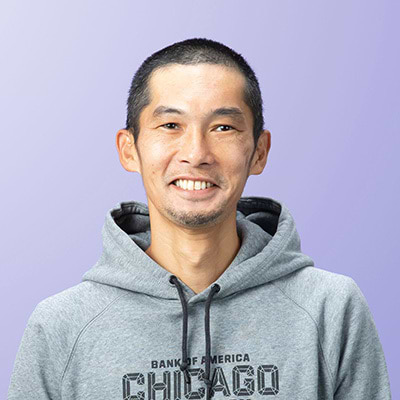
Yasuo Takei
Dentsu Inc.
第6マーケティング局 マーケティングコンサルティング2部
Planner/Producer
After joining the company, I worked in marketing for large-scale projects including sports content. Since 2017, I have served as a planner. Currently, while handling marketing for a wide range of advertisers—including public interest foundations, sports manufacturers, content companies, healthcare providers, real estate firms, and service industries—I also participate as a member of the "PRUS" project, which flexibly applies PR concepts to planning.
Born in China. As a solution planner, I develop marketing strategies primarily for the food, pharmaceutical, and theme park industries. Recipient of the Gold Award at the OSAKA Future Presentation Grand Prix.

 PR-Driven Marketing "MARKETING+PRUS" [4/4]