Note: This website was automatically translated, so some terms or nuances may not be completely accurate.
 Information Media White Paper Special Report 2026: “The Current State of Evolving Information Trends” [1/3]
What Is Happening in the Information Space Right Now? — Current Status and Challenges Viewed from the Perspective of Consumers
For the past 32 years, the "Information Media White Paper" has been published in book form. With the understanding and cooperation of relevant companies and organizations, we have now released it as the " Information Media White Paper 2026 " on the Dentsu Inc. website, with the aim of contributing to the broader development of the media industry.
In this series, based on research and studies conducted by the Dentsu Inc. Media Innovation Lab, we will explain changes in the media environment and trends in the advertising market as special feature reports from the “Information Media White Paper 2026.” In the first installment, Mariko Morishita of the Dentsu Inc. Media Innovation Lab examines how consumers are engaging with information today, now that the evolution of the information space has made diverse information accessible.
<Table of Contents>
▼The Evolving Information Space
▼Are We Seeing the Same World?
▼The Increasing Diversification of Media Usage
▼The Difficulty of Understanding Information
▼Bias in the Information We Encounter
▼The Dual Nature of Information Consumption Styles
▼Exposure to Diverse Opinions and Their Impact
▼Changing Approaches to Information
The Evolving Information Landscape
As of 2026, the influence of the internet within the information landscape has grown to an unprecedented level. Looking back, the stay-at-home orders during the COVID-19 pandemic accelerated internet usage across a wide range of age groups. The internet is no longer merely a means of providing information and entertainment; it has become an indispensable part of our lives as social infrastructure, encompassing everything from shopping and food delivery to online meetings.
This impact is also evident in the advertising market: internet advertising spending reached 4.0459 trillion yen in 2025, accounting for 50.2% of total advertising expenditure — the first time it has exceeded 50%. This demonstrates that the internet has become a central pillar of marketing activities.
What is important here is that the internet itself is not a “medium” but an “infrastructure.” The internet’s fundamental strength lies in the fact that diverse services—such as information, entertainment, communication, and shopping—are deployed in an interconnected manner on this foundation. Furthermore, a key characteristic of today’s information landscape is the ability of various entities, including individuals, to disseminate and spread information.
Furthermore, mass media and the internet have often been discussed in contrast to one another. However, the two are not mutually exclusive; as seen with services like radiko and TVer, mass media is also building and deepening relationships with consumers through the deployment of online services.
Thus, the very structure in which diverse players disseminate information is the essence of the modern information space, and this generates both convenience and new challenges.
Are We Seeing the Same World?
Thanks to the evolution of the information space, we now have access to a greater diversity of information than ever before. The free dissemination of information has led to the democratization of knowledge and brought significant value to society. On the other hand, the explosive increase in the volume of information has made it practically difficult to sift through and understand everything. As a result, platforms and services have advanced “personalization” and “recommendations” that optimize information based on user attributes and interests. The evolution of AI is further accelerating this trend.
In this environment, consumers’ experience of engaging with information has changed significantly.
Information, which was once something we “searched for,” now “flows” onto our timelines. While television was a passive medium, it widely shared the same information. In contrast, on the internet, personalization means that even when using the same platform, the information people receive varies greatly from person to person.
This difference poses a fundamental question: “Are we really seeing the same world?” In a context where such a question arises, what attitudes do people adopt when engaging with information? We will explore this topic based on the results of a survey conducted by Dentsu Inc. Media Innovation Lab in December 2025, targeting people aged 15 to 74 nationwide. ( Click here for survey overview)
The Increasing Diversification of Media Usage
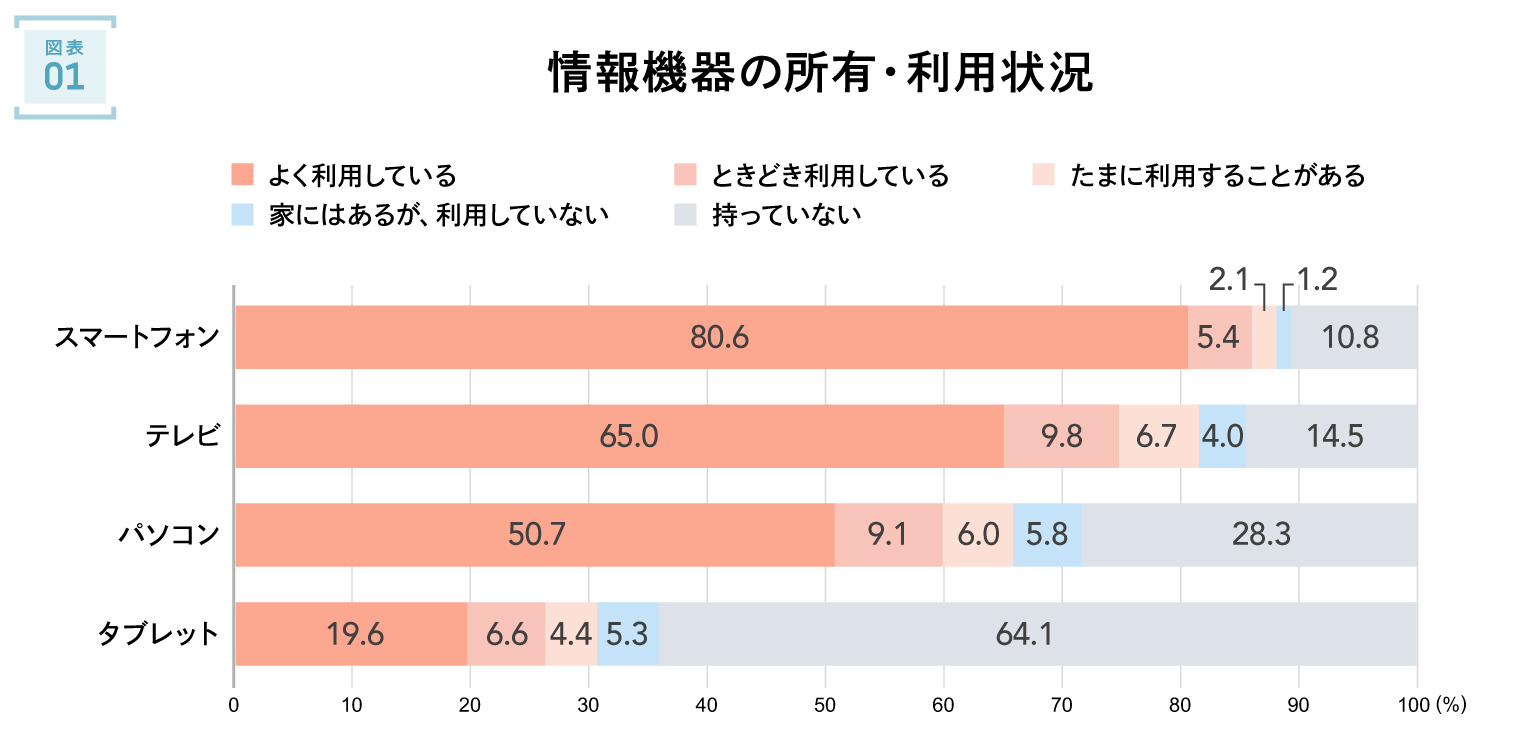
As a starting point for understanding attitudes toward information acquisition (*1), we first examine the ownership and usage of information devices (Figure 01). The smartphone usage rate reached an extremely high level of 89.2%. While it is important to note that this is an online survey, no significant differences were observed by age in this study, indicating that smartphones have penetrated a wide range of age groups.
For television, the next most commonly used medium, differences by age group are pronounced. While Figure 1 shows overall usage, a breakdown by age reveals that usage rates are higher among older age groups (94.0% for those aged 70–74) and relatively lower among younger age groups (66.8% for those in their 20s, the lowest rate). It can be inferred that for those who do not watch television, smartphones and computers partially serve as substitutes for television.
*1 Attitude toward information acquisition: In this article, this term refers to an individual’s stance or tendency regarding how they seek, select, and receive information.
Another noteworthy trend is the proliferation of connected TVs. In recent years, the practice of connecting televisions to the internet to watch video streaming and video-sharing services has become widespread. The survey found that over 40% of TV owners watch online videos on their TVs, a trend that is particularly pronounced among younger age groups (Figure 02). In other words, it can be said that the role of the television is expanding from a device for watching broadcasts to a platform for accessing diverse video content.
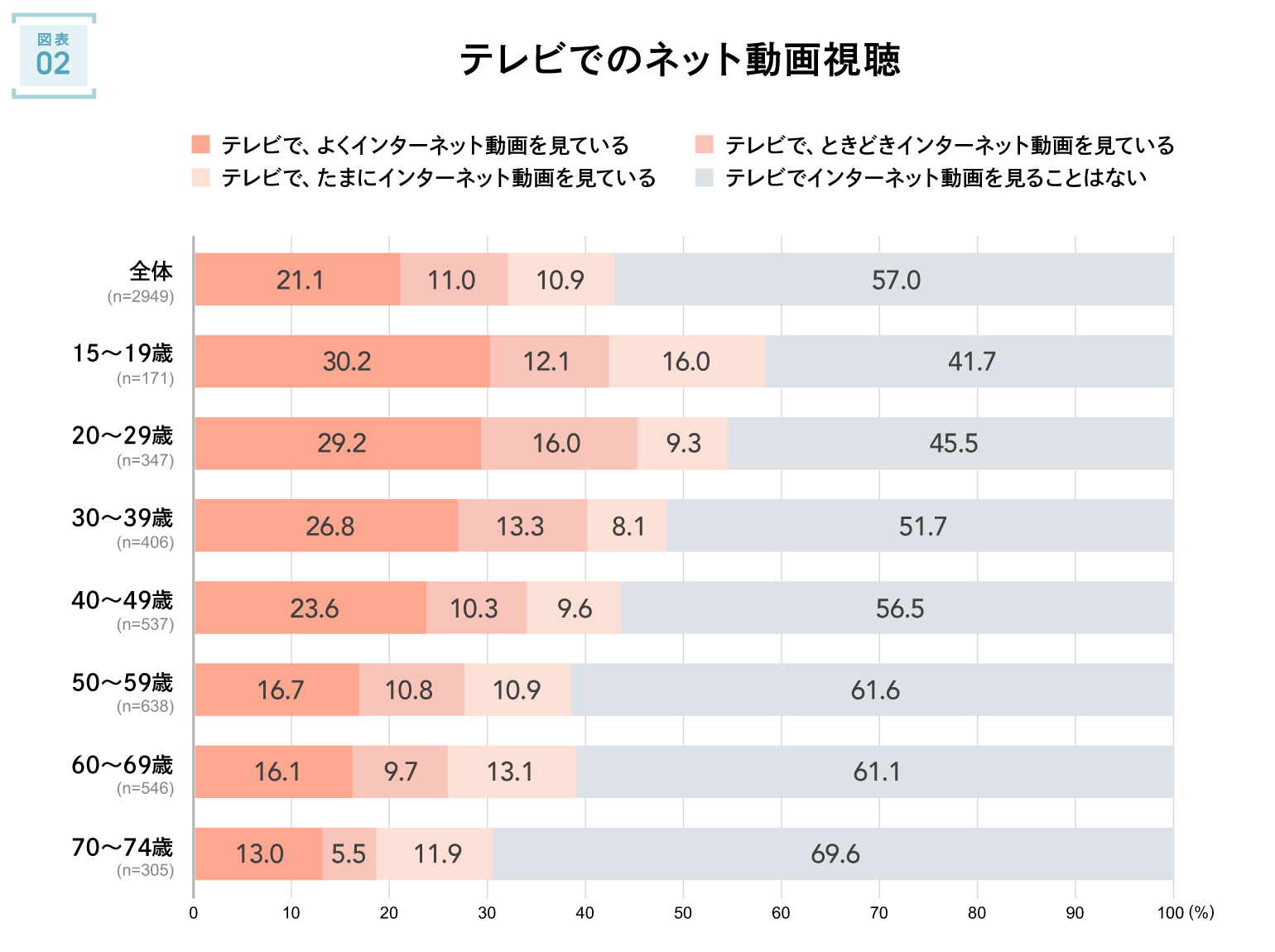
Figure 03 presents estimated viewing times for video content on TVs, aggregated by age group. While it is important to note that these are not actual viewing logs, the data clearly shows that TV usage varies significantly by age group. Older age groups tend to watch more live TV, with recorded playback and catch-up streaming serving to supplement their TV viewing. In contrast, younger age groups tend to watch less live TV and more online video content, particularly through video-sharing services.
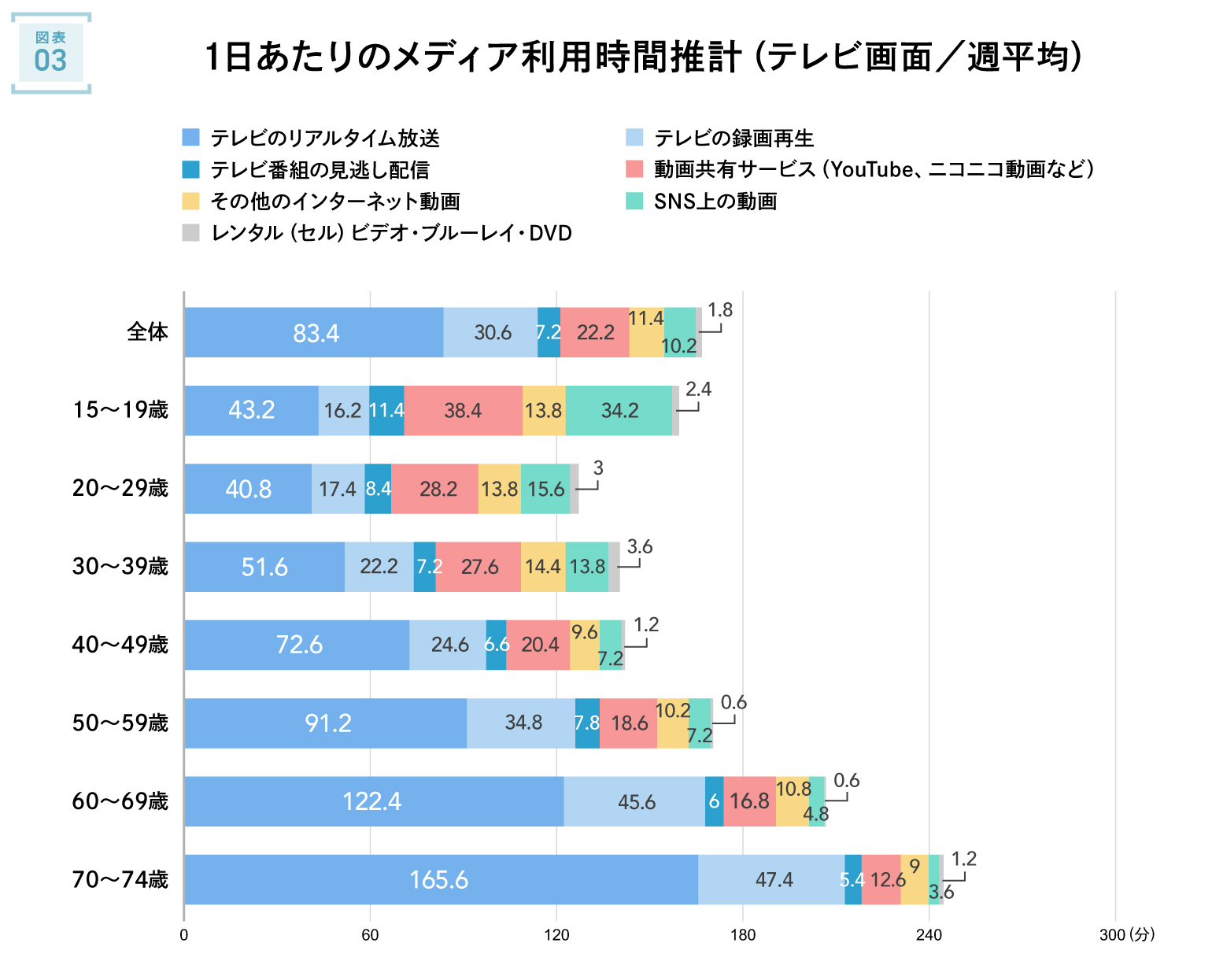
Given that many video services are also accessible on smartphones and other devices, the boundaries between devices and services are becoming blurred, leading to a viewing experience that is increasingly free from time and location constraints. Furthermore, since viewable content includes videos produced and shared by individuals, it can be inferred that viewers are consuming content that more closely aligns with their personal interests and preferences.
The Challenge of Understanding Information
From here on, we will focus on key points regarding how consumers engage with information amid the growing volume of information and changing distribution structures. We hope readers will reflect on this content in light of their own experiences.
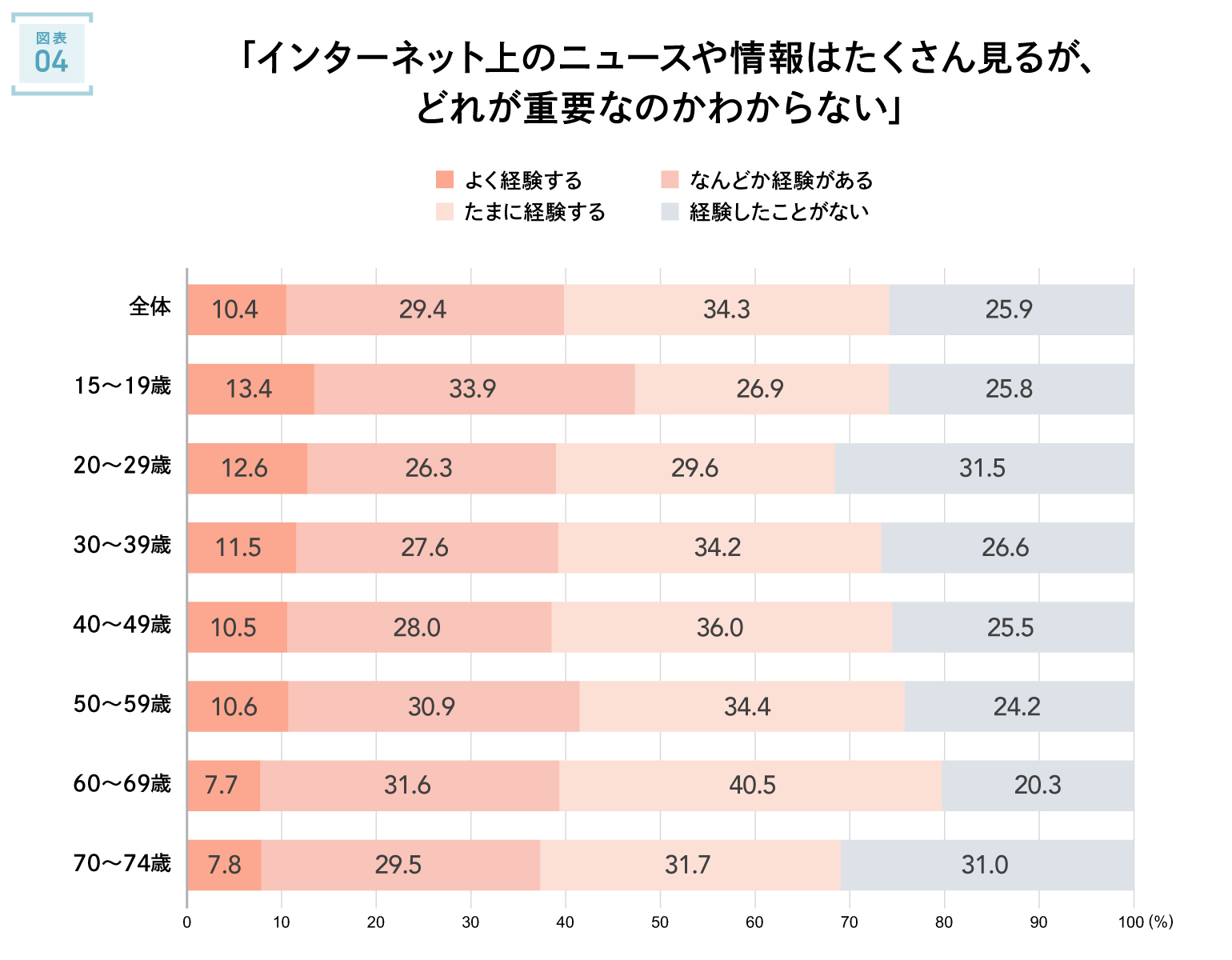
First, let’s examine how people understand the context of news and information they encounter online. One of the key roles played by mass media, such as newspapers and television, is the editorial function of selecting, organizing, and delivering information. For example, through front-page articles in newspapers or lead stories on television news programs, audiences can obtain news and information that the media deems important to society at that moment without having to think about it consciously. On the internet as well, news portal sites and curation services exist, enabling efficient information acquisition and understanding.
On the other hand, as shown in Figure 04, 74.1% of respondents reported having experienced a situation where they “view a lot of news and information online but don’t know which parts are important.”
In addition, 73.3% of people have had the experience of thinking “this is the latest news or information on the internet,” only to find that it was old news or information (Figure 05).
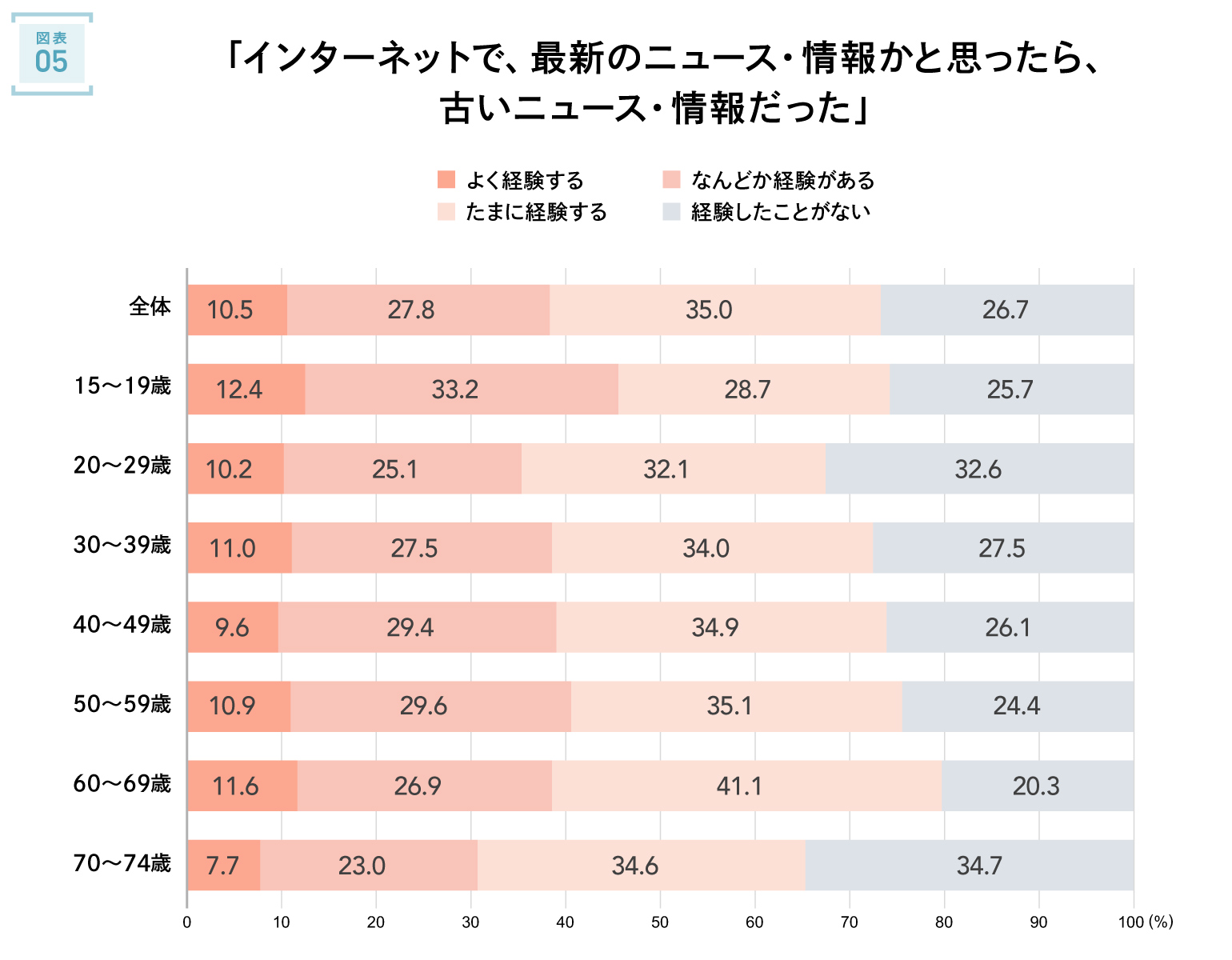
Information on the internet often circulates in fragments, and particularly on social media, past information is repeatedly shared through reposts and shares, making it easy for the timeline and context to become fragmented. This, in turn, makes it difficult to accurately understand the information.
Given this situation, the importance of the editorial function traditionally performed by mass media is likely increasing. At the same time, in today’s information environment, recipients are also expected to possess the “ability to interpret information.”
Bias in the Information We Encounter
Next, let’s consider the bias in the information we encounter online. While we can selectively access information only in areas of interest to us, we also experience information bias in situations such as “filter bubbles” (*2) caused by the intervention of algorithms.
In a survey asking whether respondents felt the information they typically encounter is biased, 35.0% agreed that it is biased, exceeding the percentage of those who did not (11.4%). This tendency was particularly strong among younger age groups; specifically, among 15- to 19-year-olds, the percentage agreeing—including those who “strongly agree” (16.3%)—was the highest across all age groups.
*2 Filter Bubble: A phenomenon on the internet where algorithms filter information based on a user’s past behavior and preferences, displaying only specific types of information.
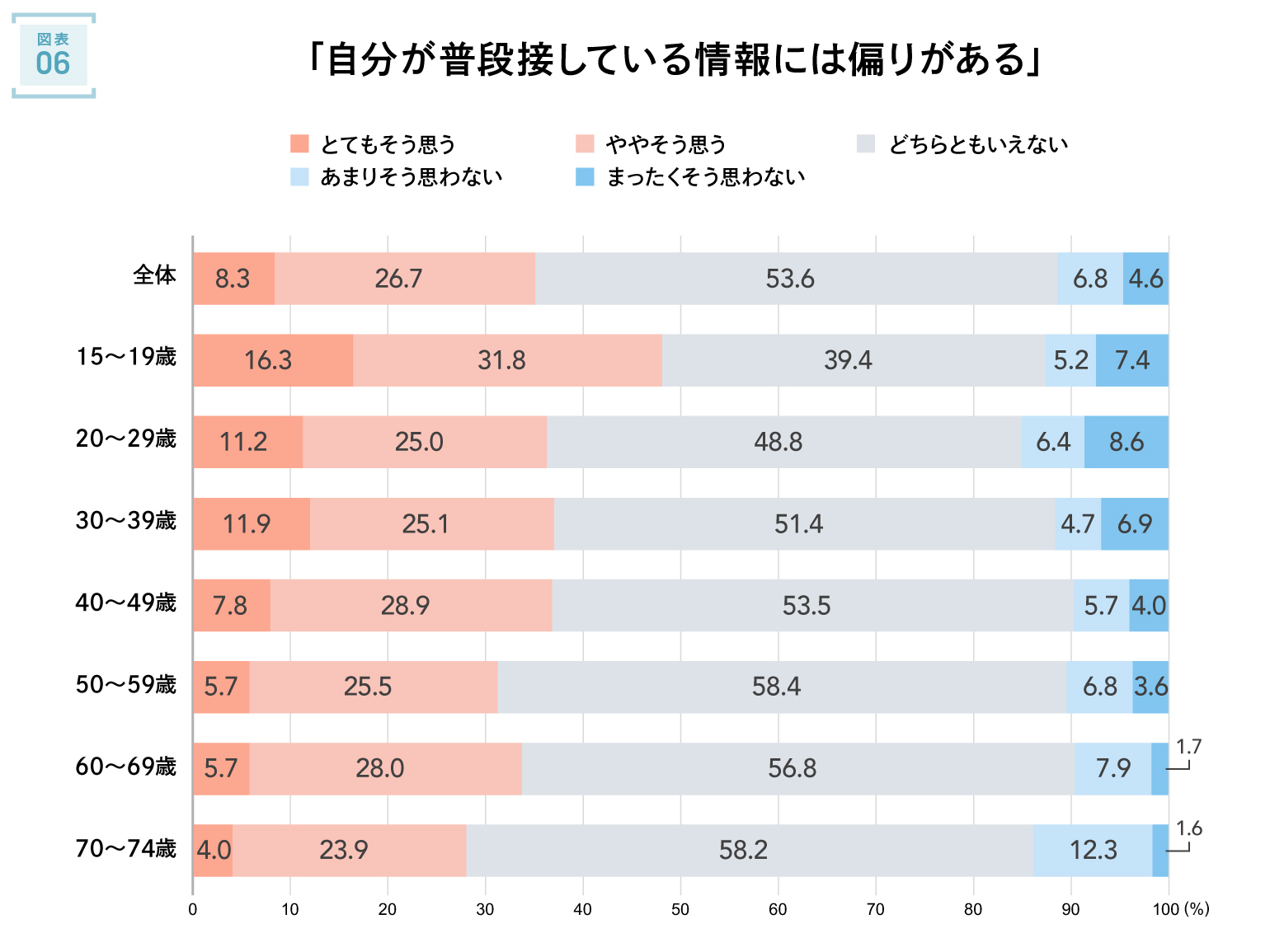
However, in this survey, the assessment of “bias” was left to the respondents and is therefore subjective. Based on the results in Figure 06, we cannot conclude that the information young people encounter is relatively biased; nor can we rule out the possibility that young people are simply more self-aware regarding the balance of the information they encounter.
Figure 07 shows the results of asking those who answered that the information they usually encounter is biased what prompted them to realize this.
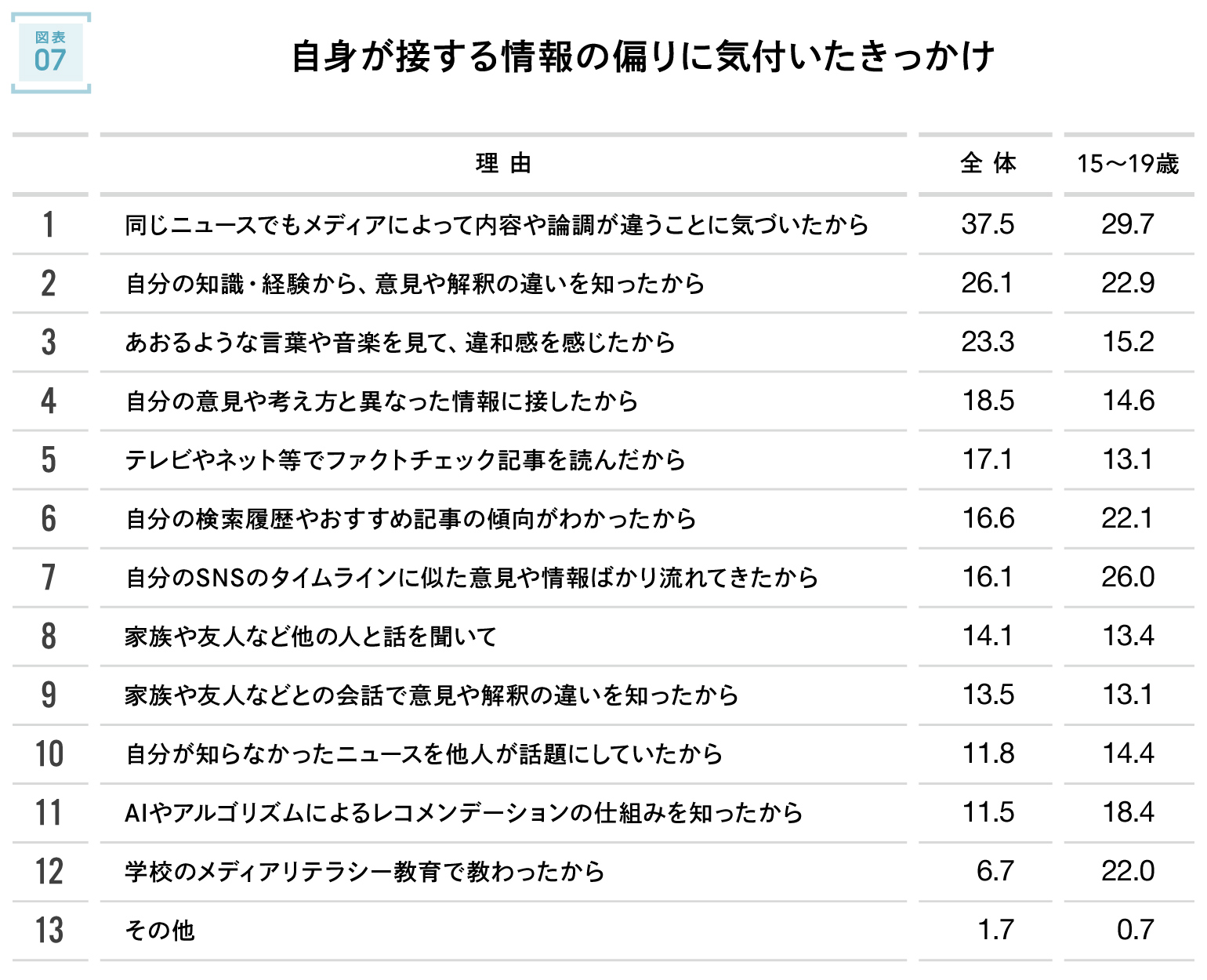
Looking at the top responses among all respondents, “I realized that even the same news story has different content or tones depending on the media outlet” (37.5%) was the most common answer. This result strongly suggests the importance of media diversity in relation to individuals’ access to information. Additionally, many respondents cited a sense of discomfort regarding their own knowledge, experience, or the way information is presented, suggesting that their personal intuition serves as a basis for judging information bias.
Next, let’s examine the response trends among 15- to 19-year-olds, who are more acutely aware of the bias in the information they encounter. “Because my social media timeline was flooded with similar opinions and information” (26.0%) ranked second highest, reflecting a trend unique to a generation that uses social media on a daily basis.Furthermore, when compared to the overall average, the following responses were particularly high: “Because I learned about it in media literacy classes at school” (22.0%), “Because I learned about the mechanisms of AI and algorithm-based recommendations” (18.4%), and “Because I understood the trends in my search history and recommended articles” (22.1%). These results suggest that understanding how information is delivered may serve as a catalyst for viewing information objectively.
The Dual Nature of Information Acquisition Styles
How do people generally prefer to obtain information? The survey asked about preferences regarding two seemingly contradictory information acquisition styles: active and passive.
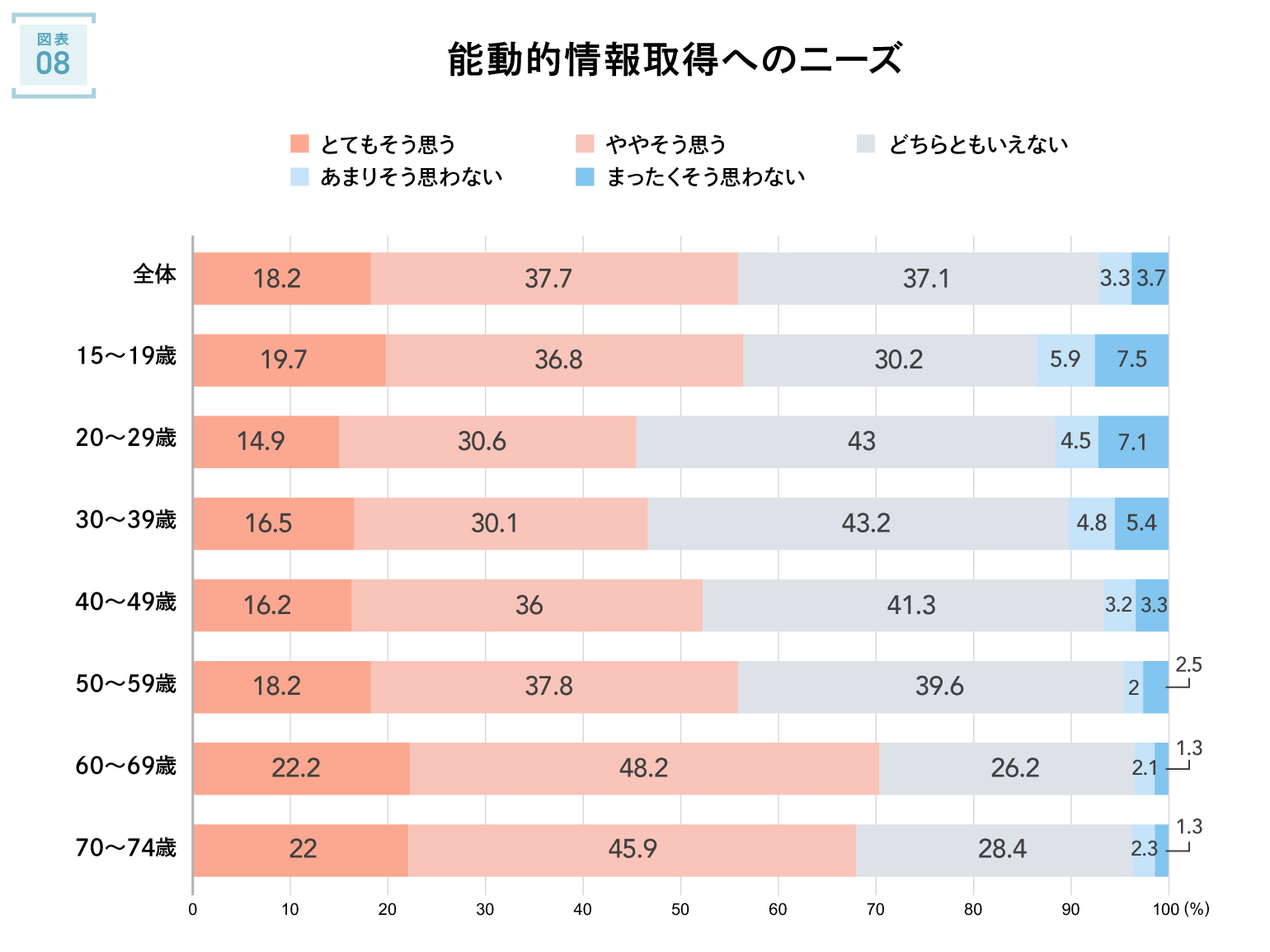
First, 55.9% of respondents—a majority—preferred active information acquisition (“I want to choose the information myself”) (Figure 08). However, the response rate was slightly lower among those in their 20s and 30s.
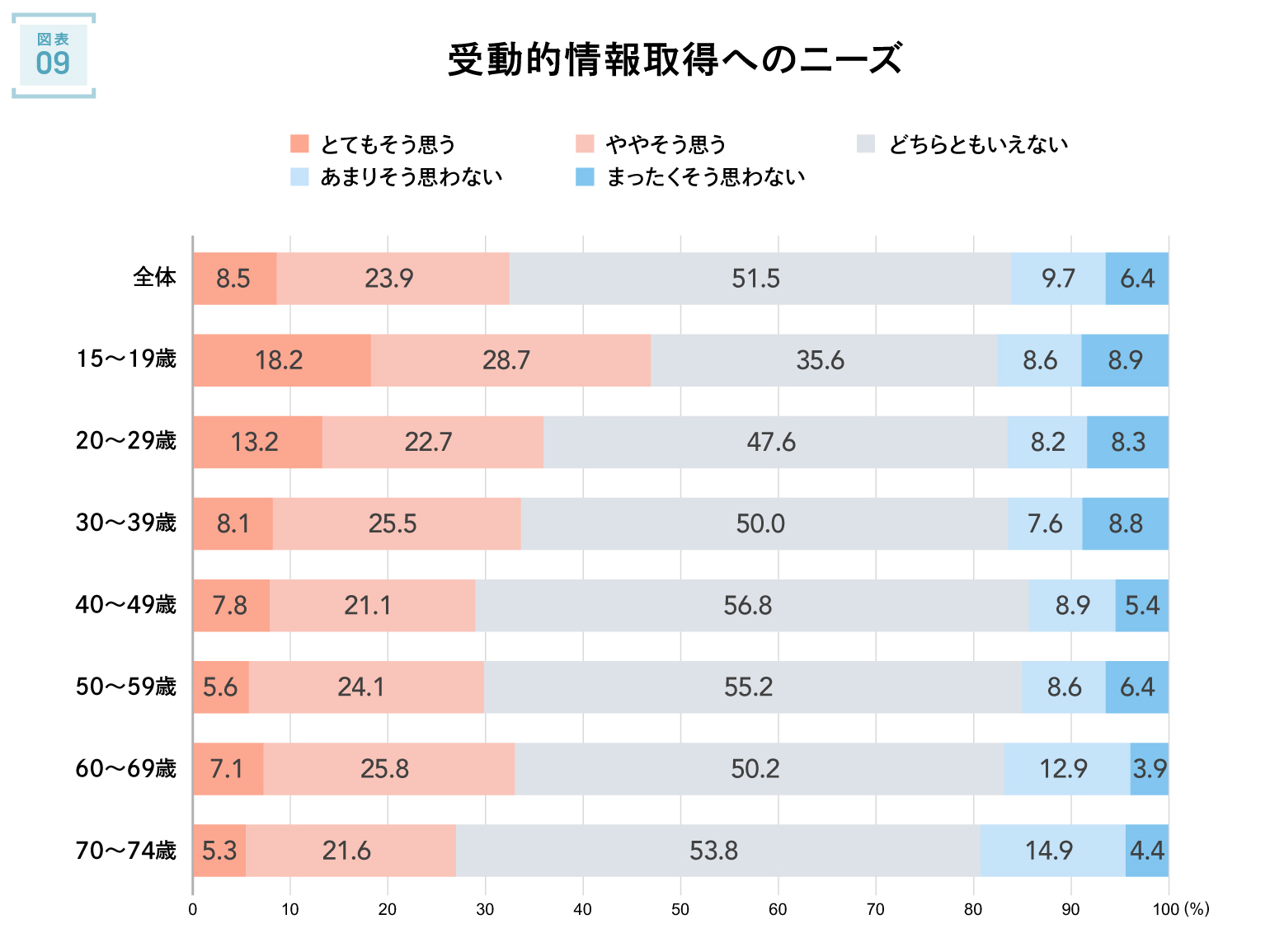
On the other hand, while the proportion of those who prefer passive information acquisition (“I want to be recommended information that suits me”) was slightly lower at 32.4%, this response rate tended to be higher among younger age groups (46.9% for those aged 15–19) (Figure 09). It is also notable that 8.9% of respondents indicated they did not agree with this statement.
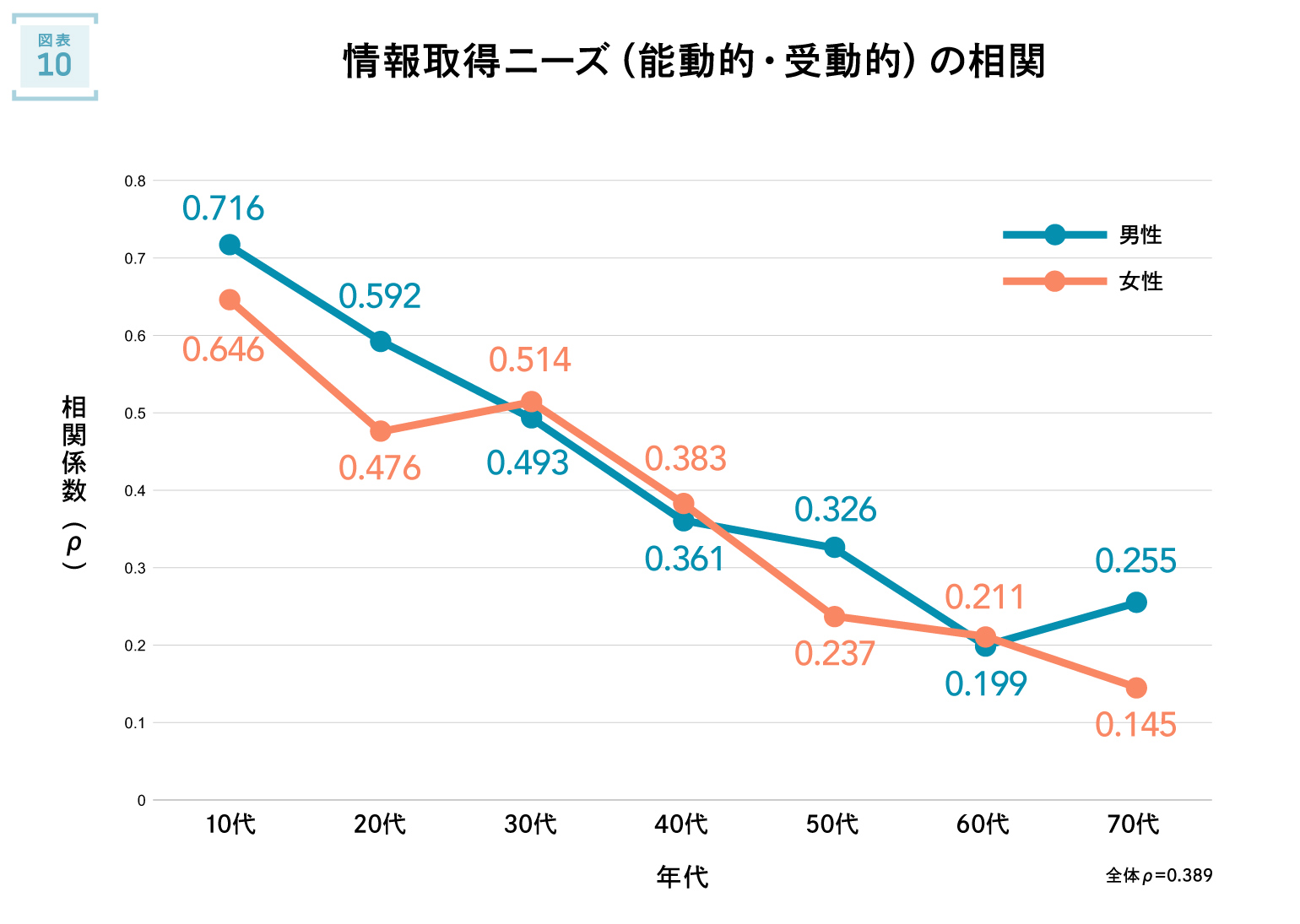
Are these two needs—active information acquisition and passive information acquisition—truly contradictory? Analysis revealed a moderate positive correlation between the two (Spearman’s rank correlation coefficient ρ = .389, p < .001). Rather than being opposed, active and passive information acquisition can be viewed as needs that can coexist within the same respondent.
To determine whether there were differences in trends based on demographic attributes, we conducted further analysis (Figure 10). When examining correlations by gender and age group, the correlation was stronger among younger respondents, revealing a “hybrid” need—“I want to choose for myself, but I also want to use recommendations”—when compared to other age groups. On the other hand, as age increased, the correlation weakened, and the tendency to lean toward either active or passive information acquisition became stronger.
Exposure to Diverse Opinions and Its Impact
One of the issues identified in the information landscape is the “echo chamber” (*3). It is widely believed that in situations where similar opinions are echoed and amplified, opportunities to encounter opposing views decrease, potentially making it difficult for individuals to make decisions based on diverse opinions and values, and even hindering the functioning of a democratic society. In the survey, 51.9% of respondents believed that “it is important to be exposed to a wide range of opinions in a balanced manner” (Figure 11).
*3 Echo Chamber: An environment where people with the same opinions or beliefs gather, and those opinions are repeatedly reinforced. There is a tendency for different perspectives and opposing views to be excluded.
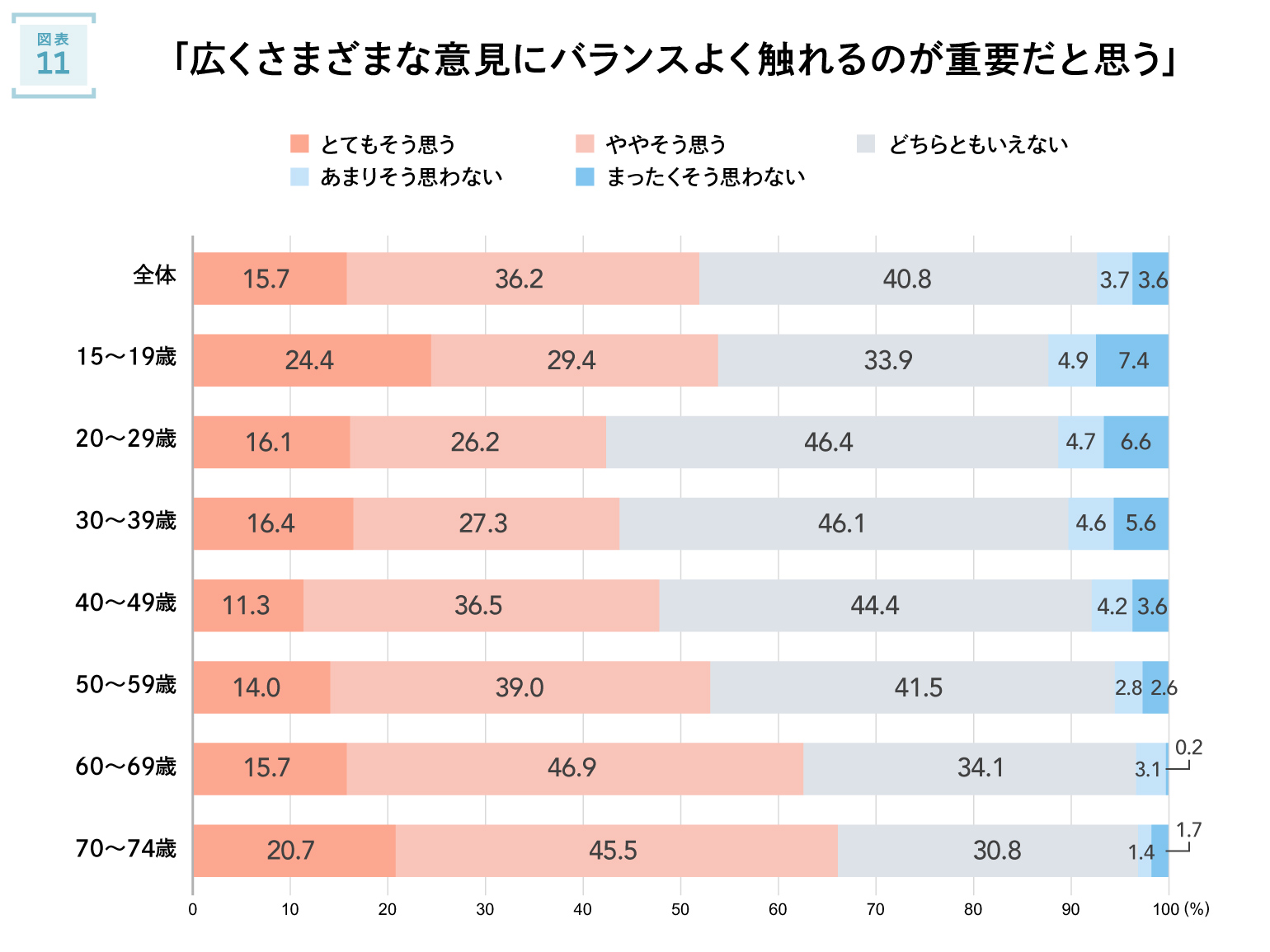
Exposure to diverse opinions is a vital foundation of a democratic society. However, reactions to encountering differing opinions are not uniform. This is because exposure to differing opinions can sometimes change one’s original views and thoughts, while at other times it can reinforce them, leading one to believe they are even more correct.
In this survey, we asked about experiences of encountering opinions different from one’s own on the internet, social media, and other platforms. Figure 12 shows the results, indicating that experiences of “change” and “reinforcement” are roughly equal.
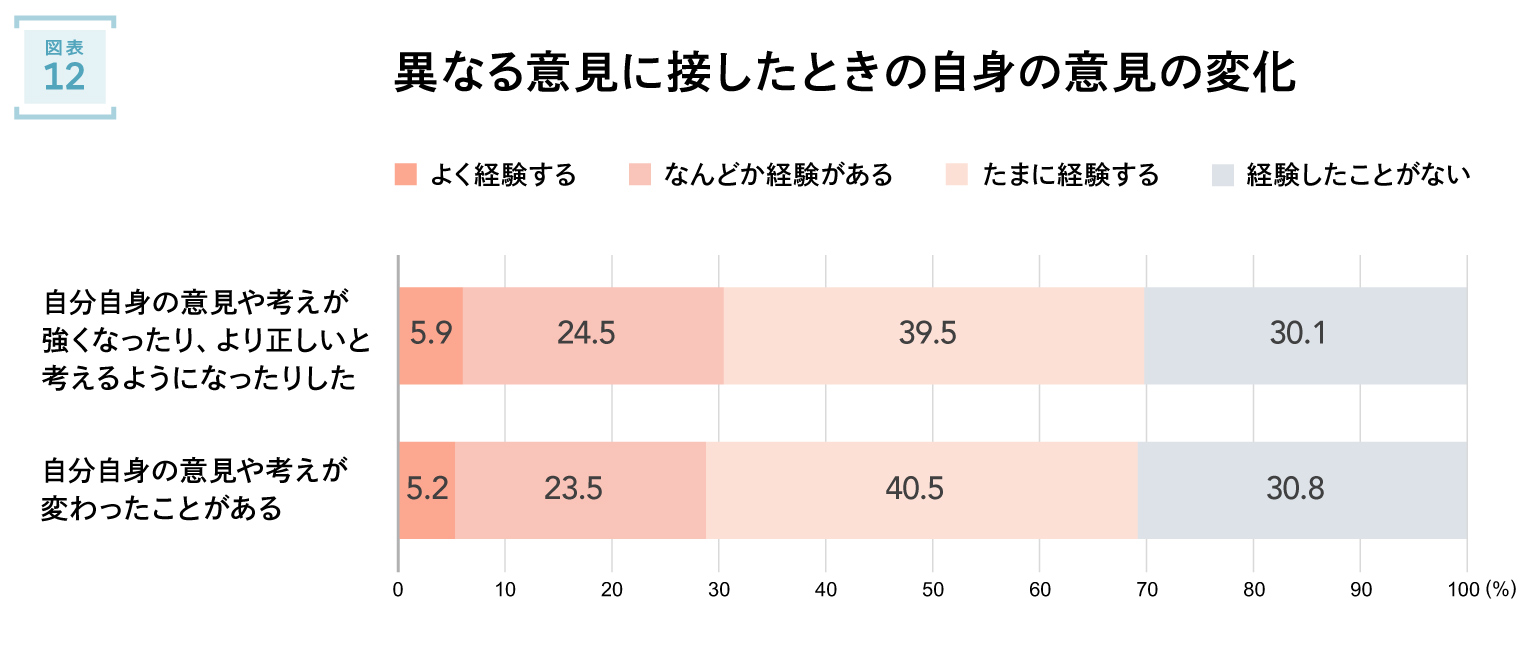
Therefore, to structurally understand the changes that occur when encountering differing opinions, we classified respondents into four segments based on their response tendencies regarding “change” and “reinforcement.” By categorizing “experience frequently/have experienced several times” as “high” and “experience occasionally/have never experienced” as “low,” we can divide people into four groups based on these combinations, as shown in Figure 13.
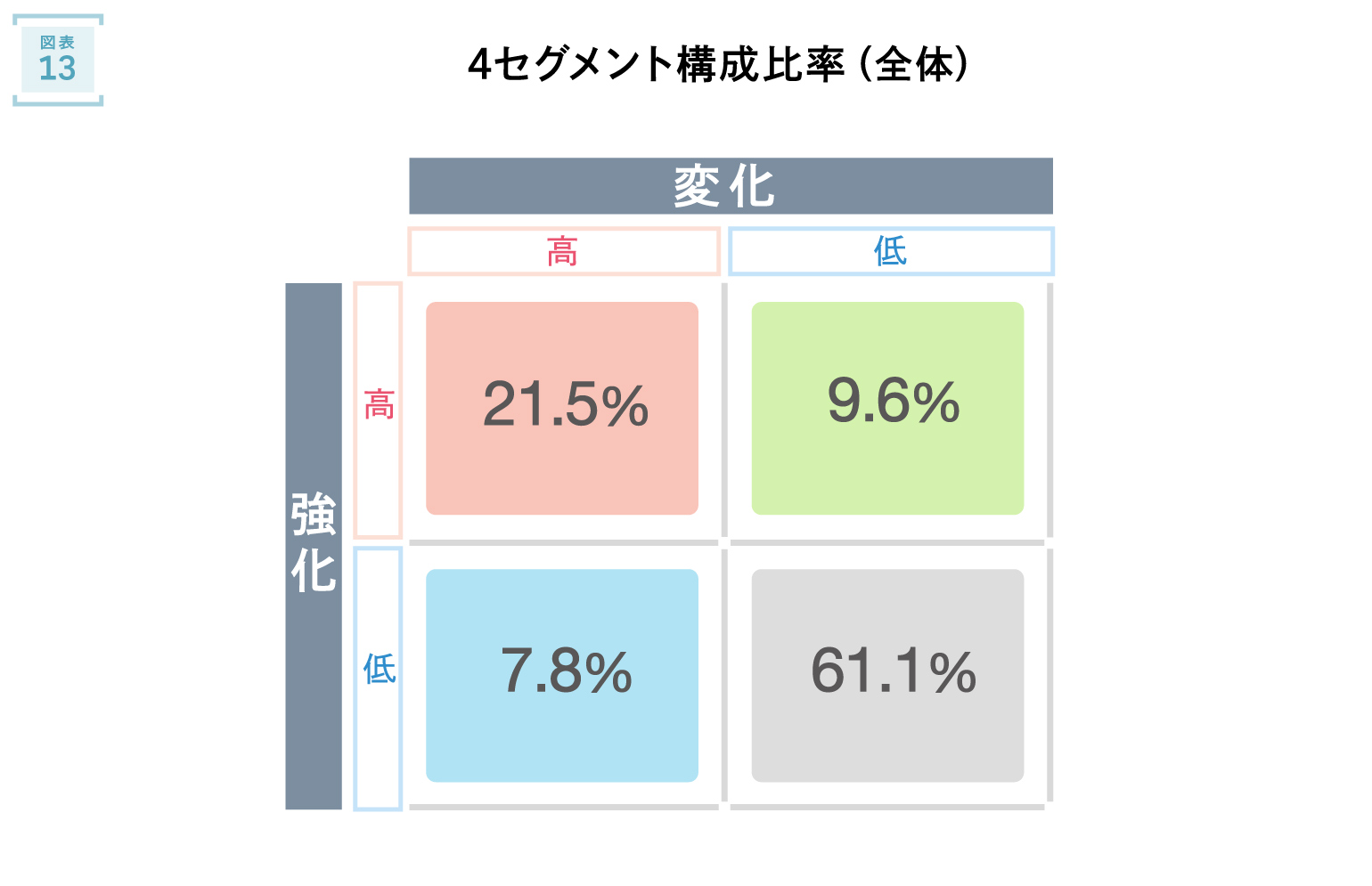
Let’s examine the distribution across each segment. The lower-right quadrant comprises those who rarely experience the influence of differing opinions, accounting for approximately 60% of the total. In contrast, the upper-left quadrant consists of those who relatively frequently experience both opinion change and opinion reinforcement—a segment that could be termed “influence-receptive”—with a prevalence of about 20%. Furthermore, it became clear that a significant number of respondents fall into segments skewed toward either change or reinforcement.
Next, to determine whether there are differences in the occurrence of each segment based on demographic attributes, we performed a similar segmentation by gender and age group (Figure 14). Among teenagers, the occurrence rate of the “influence-receptive” segment is high at just over 30% for both males and females; however, as age increases, this rate decreases, and there is a tendency for the “group with little experience of either” and the “group biased toward opinion reinforcement” to increase.
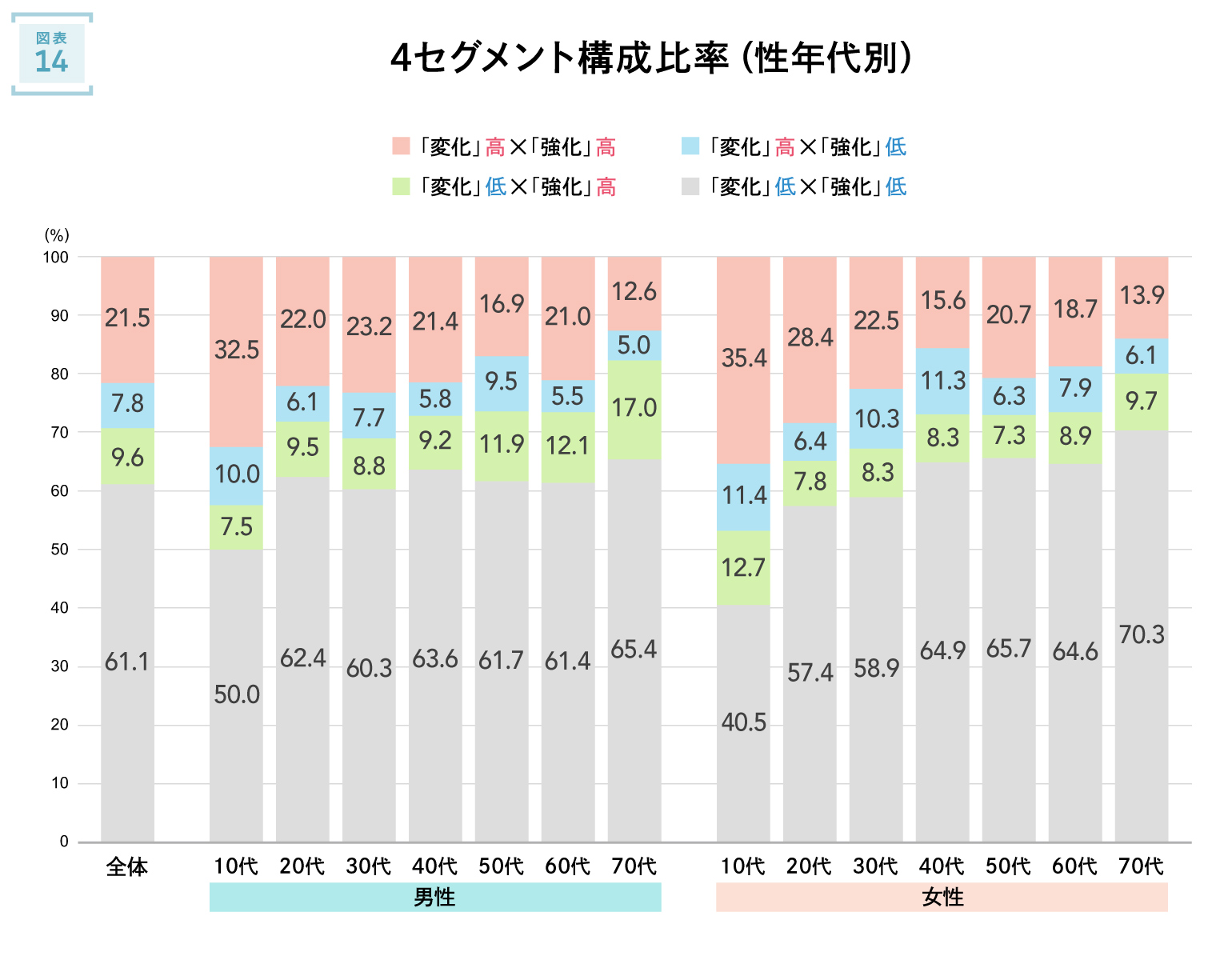
We observed a pattern where younger people are more easily influenced by exposure to differing opinions, while middle-aged and older adults are somewhat less susceptible. Why is this the case? One hypothesis is that, in addition to differences in media usage, while middle-aged and older adults have worldviews and judgment criteria that have stabilized through years of experience, younger people—whose values and opinions are not yet fully set—may be able to engage more flexibly with new information and differing opinions.
Naturally, reactions to differing opinions vary depending on the content and context, so it is impossible to categorize people into just four simple patterns. However, I believe these differences in receptivity across age groups can serve as valuable insights when examining information environments such as “echo chambers.”
Changing "Approaches to Information"
So far, we have presented the key findings from surveys targeting consumers. What has become clear is that, from the consumer’s perspective, in today’s information landscape, “how we engage with information” has become a major challenge, even more so than the “quality of information” itself.
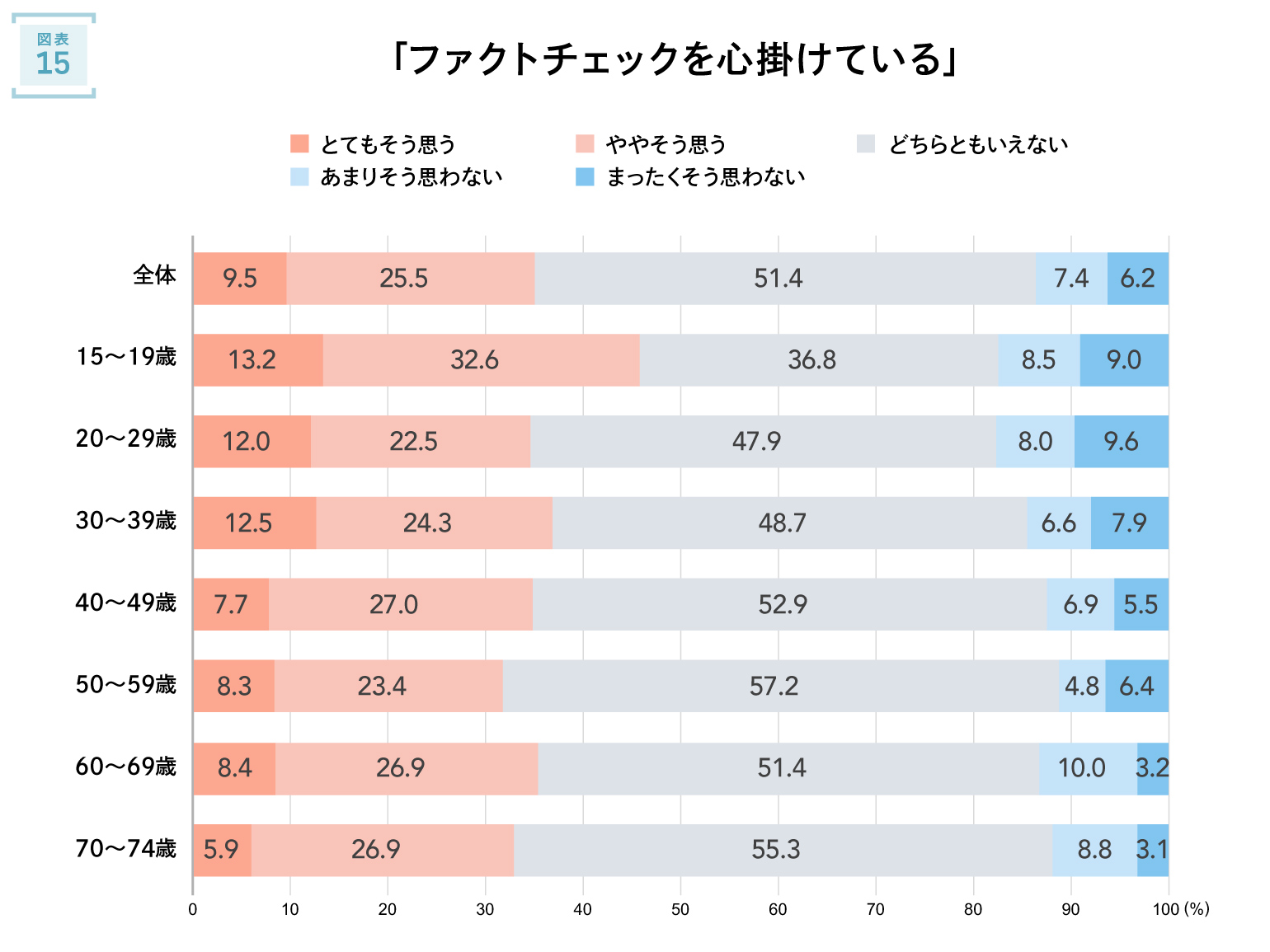
Fact-checking is one example of a modern approach to engaging with information. The survey found that the tendency to practice fact-checking was highest among younger respondents (ages 15–19) (Figure 15). This may be due not only to media literacy education but also to the experience of being constantly exposed to a variety of information, including misinformation, in their daily lives.Regarding the same question, younger respondents were more likely to answer “I don’t agree at all” or “I don’t agree much.” However, this can be interpreted as evidence that the act of fact-checking itself is recognized, even if it does not necessarily translate into actual action.
While this section presented fact-checking as a single example, it is foreseeable that, in the future, consumers’ sensitivity to information and their approach to it will continue to evolve in response to changes in the information landscape. We are entering an era where AI-generated content indistinguishable from the real thing is emerging one after another, and even genuine information is being called into question. Will the information landscape and consumers’ sensitivity to information evolve in tandem, influencing one another?
Returning to the question posed at the beginning of this article—“Are we all seeing the same world?”—a future may lie ahead where it becomes difficult to arrive at an answer.However, it remains undeniable that an information space enabling autonomous decision-making is essential for the healthy growth of each individual and the sound development of society. To achieve this, it is crucial that all stakeholders—including media outlets, platforms, businesses, policymakers, and individuals—understand the structure of the information space and continue to work toward maintaining and improving an environment where information can be shared and accessed with confidence, each from their respective positions.
Related article: How Should We Deal with Fake News? A Survey Reveals How Consumers Perceive the Information Space
[Survey Overview]
Dentsu Inc. Media Innovation Lab “Media Usage Survey 2025”
・Nationwide Internet Survey
・Target: Ages 15–74 (Valid sample size: 3,618)
・Survey period: December 2025
Was this article helpful?
Share this article


Newsletter registration is here
We select and publish important news every day
For inquiries about this article
Author

Mariko Morishita
Dentsu Inc.
Marketing Administration Center, Media Innovation Research Department (Dentsu Inc. Media Innovation Lab)
Insight MemoThe Reiwa "New" Era! Where is the Media Society Headed?How has media consumption changed in response to the COVID-19 pandemic?New Approaches Discovered Through Audience ResearchInformation Media White Paper 2022: Unraveling Media Consumption and Dissemination in the "With COVID-19" EraInformation Media White Paper 2023: What You Need to Know Now—The Past, Present, and Future of Media and SocietyInformation Media White Paper 2024: The Rapidly Changing Media Environment and Consumers100 years since its birth. Radio, today...Information Media White Paper 2025: New Horizons in Communication Shaping the FutureA Space for Collective ThoughtInformation Media White Paper Special Report 2026: “The Current State of Evolving Information Trends”

dentsu Media Innovation Lab
Dentsu Inc.
Insight MemoSpecial Discussion: "Japan's Advertising Expenditures"Explore the Amazing World of YouTube Creators with UUUMInformation Media White Paper 2024: The Rapidly Changing Media Environment and Consumers100 years since its birth. Radio, today...College Students and the Future of Media, Communication, and Advertising in Ten YearsInformation Media White Paper 2025: New Horizons in Communication Shaping the FutureInformation Media White Paper Special Report 2026: “The Current State of Evolving Information Trends”