Note: This website was automatically translated, so some terms or nuances may not be completely accurate.
 100 years since its birth. Radio, today... [2/2]
Asking the "OVER THE SUN" Producer: How to Create a Podcast Program
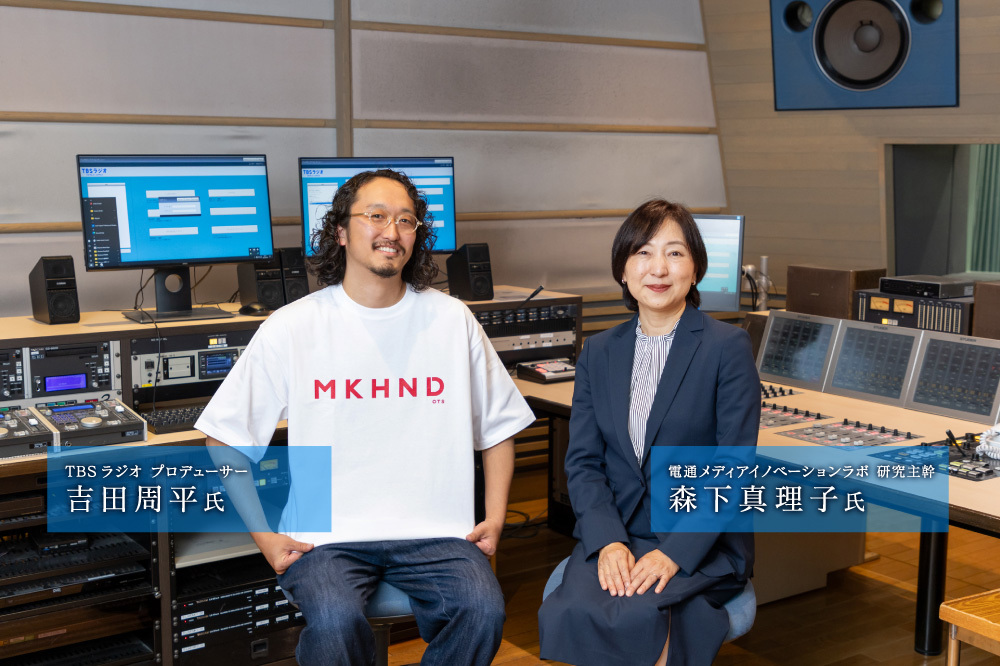
On March 22, 2025, Japanese radio celebrated its 100th anniversary. To mark this milestone, Web Dentsu-ho is interviewing key figures active on the front lines of radio. This time, our guest is Shuhei Yoshida, producer of TBS Radio's popular podcast "OVER THE SUN with Jane Su and Mika Horii" (hereafter OVER THE SUN).
As audio media gains attention, diverse content is now distributed via podcasts (*). In this article, Mariko Morishita of Dentsu Inc. Media Innovation Lab spoke with Mr. Yoshida about the unique approach to podcast production that differs from terrestrial radio, building trust with listeners, and nurturing fan communities, sharing behind-the-scenes stories from "OVER THE SUN".
※Podcast: An audio or video content service distributed via the internet. Users can listen to their favorite programs whenever they choose.
Jane Su and Mika Horii's "OVER THE SUN"
A podcast program produced by TBS Radio, launched in October 2020.Released every Friday at 5:00 PM. Hosted by columnist Jane Su and freelance announcer Mika Horii. The show operates with only a single-page script, structured around the hosts' and listeners' personal stories. It actively hosts events, including "Over the Sun: Our Red Carpet" at Nippon Budokan in March 2025, which drew an audience of approximately 8,000 people.
The launch of radiko became a tailwind for advertising sales
Morishita: Thank you for having me today. First, could you please introduce yourselves?
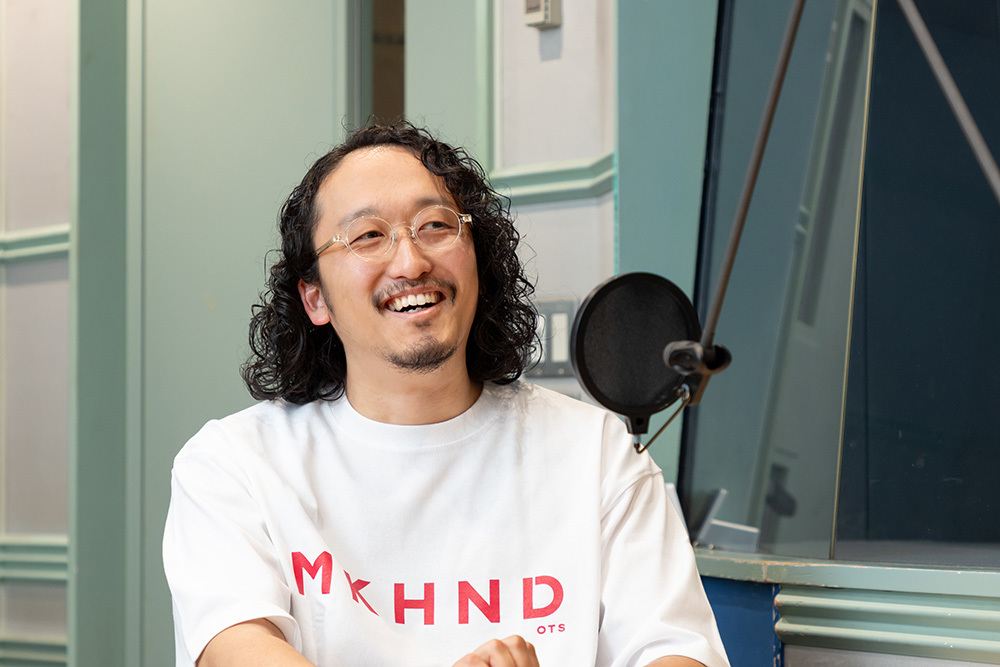
Yoshida: I work as a producer for terrestrial radio and podcast programs at TBS Radio. My current shows include "OVER THE SUN," "Friday Voice Log," "Kishitakano's Buta Pierrot," and "Karatchi's Farthest Teacher!" I joined the company in 2010, spent 11 years in the Sales Division, and then transferred to the Content Production Division.
Morishita: Were you fond of radio from a young age?
Yoshida: I grew up in a family of four—my father, mother, older brother, and me—in an environment where radio was always playing. I remember my father often listening to Nippon Broadcasting, and my mother frequently tuning into FM stations. At night, I'd listen to late-night radio shows with my brother in our bunk beds.
Morishita: So radio was truly a part of your everyday life.
Yoshida: I have a vivid memory of being incredibly happy when I finally got through on the phone to Chris Peppler during his popular segment "Reverse Call Buster" on "TOKIO HOT 100." I had called many times hoping to speak with him.
Morishita: You joined TBS Radio in 2010 and spent 11 years in the Sales Department. During that time, digitalization in radio must have advanced significantly. How did you perceive these changes?
Yoshida: Before radiko launched, terrestrial radio was limited to specific regions and could only be listened to in real time. Advertisers found it difficult to precisely target their commercials to the right audience, which became a major sales challenge.
Then radiko was born in 2010, the "Time Free" feature was added in 2016, and around the same time, smartphones became widespread. People could now easily listen to various programs whenever they wanted, and we could also track listener demographics using digital data. Radio's digital transformation became a major tailwind for sales.
SNS posts accelerated through a project where everyone grew hyacinths
Morishita: Today, we'd like to focus on podcasts. Among the many podcasts out there, "OVER THE SUN," which you oversee, is particularly popular, isn't it?
Yoshida: Thanks to everyone's support, many people enjoy it. "OVER THE SUN" is released every Friday at 5 PM, reaching approximately 800,000 listeners monthly, with about 200,000 listeners per episode.
Morishita: For Web Dentsu-ho readers, could you briefly recap the show's concept?
Yoshida: It's a talk show hosted by columnist Jane Su and freelance announcer Mika Horii, which started in October 2020. There's almost no script; the show is built around stories shared by the two hosts and listeners.
Morishita: I listen too, and I always notice how passionate your conversations are.
Yoshida: If I had to describe "OVER THE SUN" in one phrase, it's "a program delivering high-quality, pointless chatter."
Morishita: What do you think was the turning point that made the show break through?
Yoshida: Hmm... Probably the "Let's All Grow Hyacinths Together" project we did in the show's second year. We once asked listeners via email what they'd like to do with 100 "OVER THE SUN" listeners. One listener suggested, "I want us all to grow flowers at the same time and see them bloom together." That's how we ended up growing hyacinths together.
Morishita: So it was a listener-participation project.
Yoshida: Around that time, social media posts related to the show really picked up. On Twitter (now X) and Instagram, reports started appearing: "I planted the hyacinths," "They sprouted," "They bloomed."
Around the same time, separate from the hyacinth project, we were producing program merchandise like T-shirts. Then, listeners started posting photos of themselves wearing the T-shirts with comments on social media.
Morishita: So social media really played a big role in the program's breakthrough, didn't it?
Yoshida: Yes. It made visible that many other people were listening to the same program, creating a movement where everyone worked together to build excitement for the show.
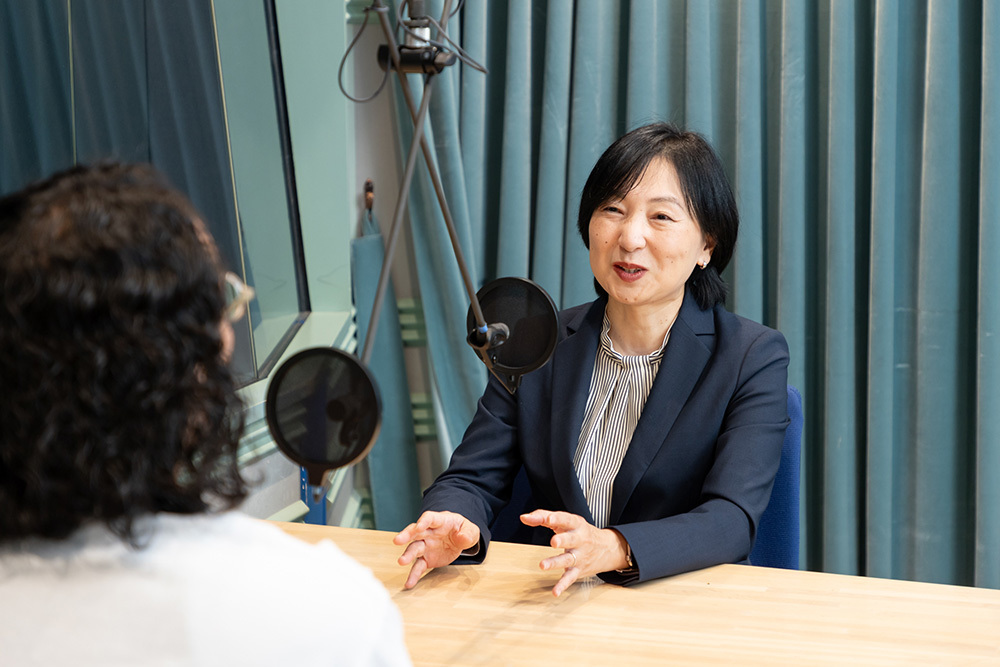
Building on trust with listeners, we tackle themes that terrestrial radio finds difficult to cover
Morishita: Beyond social media, the driving force behind the show's energy is undoubtedly the personalities of the two hosts. Especially Su-san's "quick wit" in delivering spot-on comebacks to Horii-san's remarks is incredible.
Yoshida: Su-san's ability to articulate things is remarkable, like calling listeners "mutual aid members."
Morishita: From "OVER THE SUN," we've also seen the birth of various shared phrases with listeners like "I won't lose," "Good morning, good evening, good day," and "Take care of yourself." Did Su-san come up with these spontaneously?
Yoshida: Some originate from listeners. "Ohayō, konbanwa, konnichiwa" and "Gojiai kudasai" are frequently used in listener greetings via email. Since podcasts have no fixed time limit, we read all seasonal greetings. Then, they become established and evolve into words everyone uses.
Morishita: That lack of fixed time is a big difference from terrestrial radio, isn't it?
Yoshida: Exactly. "OVER THE SUN" varies in length each time—sometimes ending in 30 minutes, other times going over an hour. Being able to delve deeply into each episode's theme is a feature terrestrial radio doesn't have.
Morishita: What other differences are there between podcasts and terrestrial radio?
Yoshida: Podcasts tackle themes that are difficult to cover on terrestrial radio. On "OVER THE SUN," it's not uncommon for us to delve into deep topics like divorce, plastic surgery, or middle-aged romance. Compared to terrestrial radio, editing tends to cut less of the hosts' remarks, often airing more candid statements as-is. I believe this is possible precisely because of the trust built with our listeners.
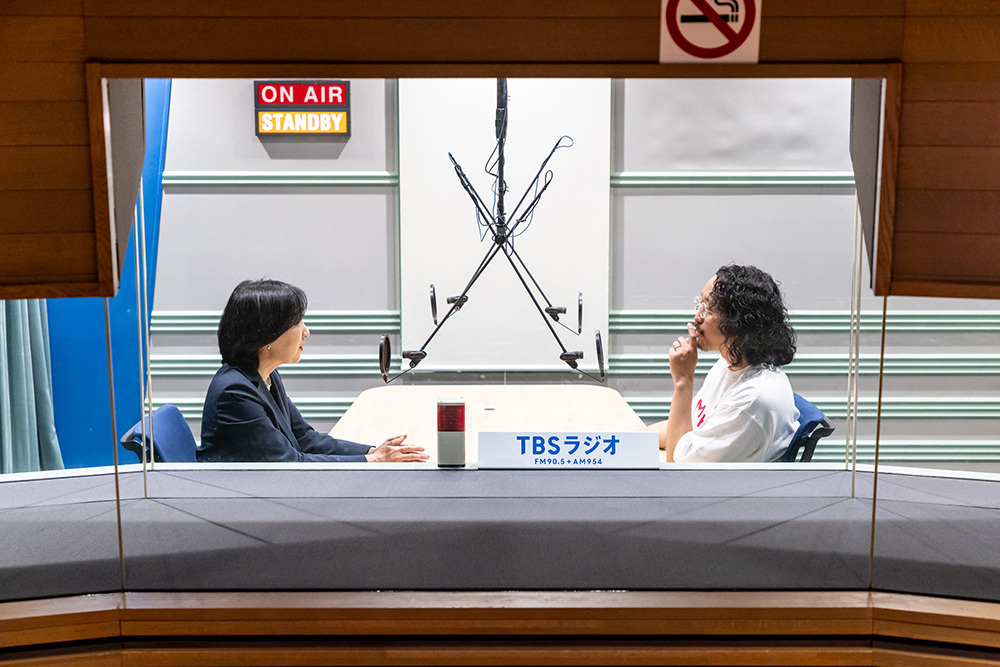
"OVER THE SUN" is everyone's hub, a place to return to
Morishita: How do you build that kind of trust with listeners?
Yoshida: While terrestrial radio reaches an unspecified audience, podcast listeners actively seek out and access the program themselves. People who like the show and the personality gather here. I think it's about striving to create a program that doesn't betray that feeling of liking.
As symbolized by the term "mutual aid members," "OVER THE SUN" fosters an atmosphere where personalities and listeners share diverse personal stories, offering various insights to support one another. The program serves as a hub for everyone, a place where everyone can return.
Morishita: I feel "OVER THE SUN" is very distinctive in how its listeners engage.
Yoshida: The volume of listener emails differs significantly between terrestrial radio and podcasts. Many people listen to the podcast but not the terrestrial broadcast. Consequently, the tone and manner of the emails differ. For example, some send lengthy letters—sometimes three A4 pages long—written as if they were writing to a friend. The content is often quite personal, with listeners sharing deeply intimate stories or revealing things so candidly you wonder, "Is it okay to write this much?"
When a listener's story is featured on the show, other listeners often feel, "I've had similar experiences and struggled with the same things," or "This listener is tackling their challenges and trying to overcome them like this." I think the program serves as a way for people to share these feelings.
Morishita: Listeners send emails addressed to the host, but their thoughts reach the 200,000 listeners beyond them, allowing everyone to share in the topic. It's a profound world.
Yoshida: Sharing topics like this isn't unique to "OVER THE SUN." But for the hosts, the production team, and the listeners, the feeling that it's a "hub and a place to return to" might be stronger than on other shows.
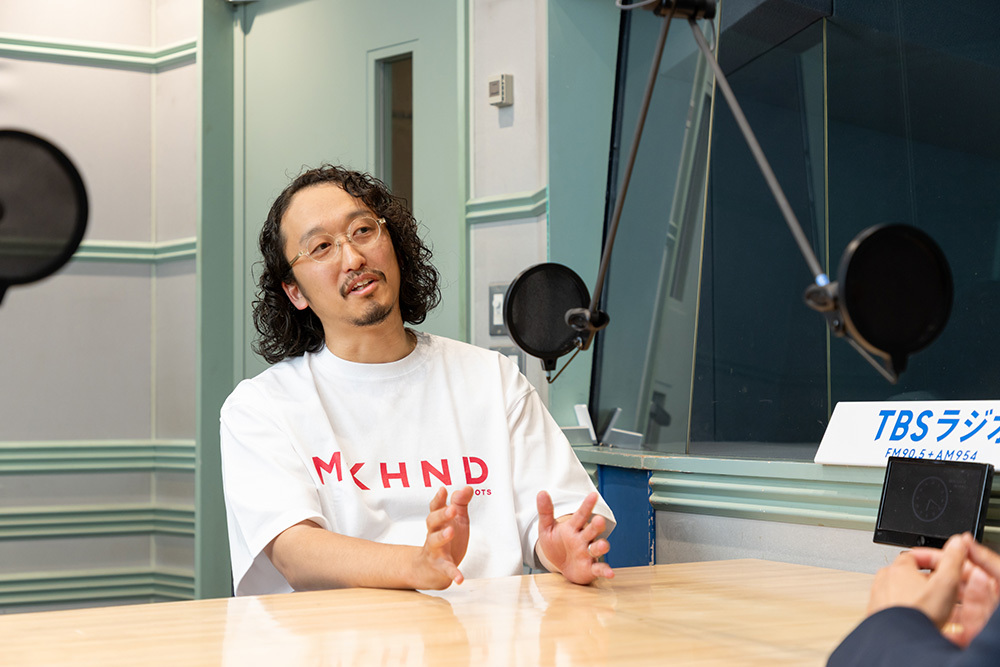
Various fan communities emerge from the program
Morishita: Tell us about the fan communities for "OVER THE SUN."
Yoshida: We actively hold events. In March 2025, we held "OVER THE SUN: Our Red Carpet" at Nippon Budokan, mobilizing about 8,000 people. We've also held listener-participation sports days, travel events, exhibitions, and more.
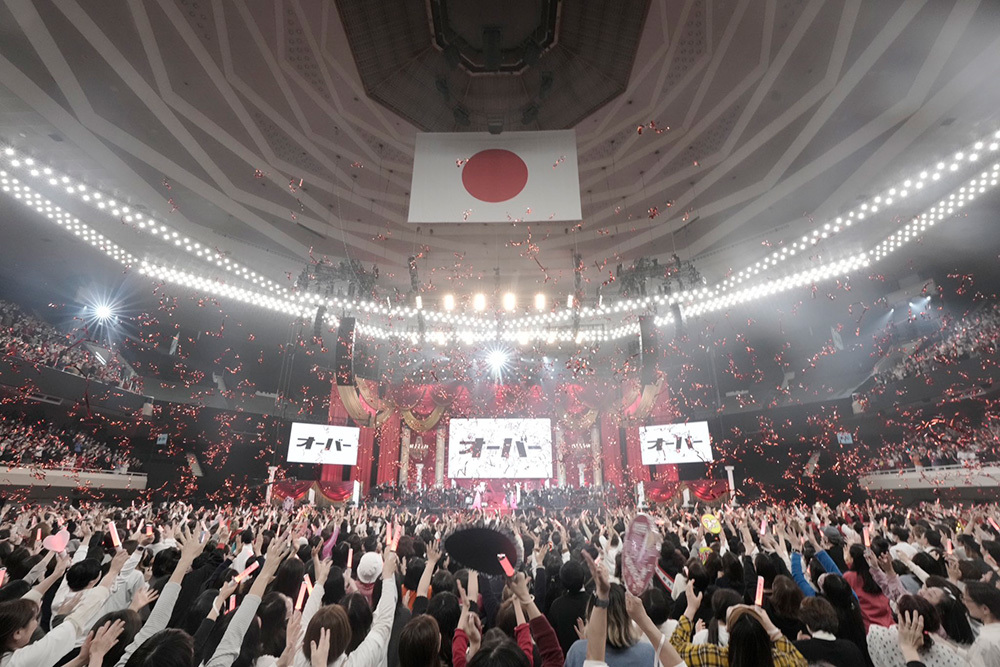
Yoshida: Mutual aid members (OVER THE SUN listeners) deepen friendships with people they meet at events, using OVER THE SUN as a hub to enjoy themselves in their own ways.
Morishita: People with no vested interests connect through the program. Is that because it provides a sense of security?
Yoshida: Yes. I think it's because there are many people with similar mindsets, and there are no people who hurt you, so it feels safe. In 2022, we held our first event to commemorate the 100th broadcast. At that time, a listener, wanting to not let this excitement go to waste, started an "OVER THE SUN" open chat on LINE.
Morishita: How many people are participating?
Yoshida: I think it's over 4,000 now. It started without us staff knowing, so I worried it might be some kind of shady business recruitment. I joined to secretly check it out. Well, it was peaceful. I thought, "This is fine," and haven't checked since.
The open chat sparked things like the "OVER THE SUN Mountaineering Club" for mountain lovers, running groups, and people just spontaneously organizing meetups. Plus, folks who bonded at these meetups are joining the next "OVER THE SUN" events. It's created this complex, organic way of enjoying things. Even without Mr. Suu and Mr. Horii, a fan community has formed.
Morishita: But the fact that such a safe and enjoyable atmosphere has emerged is largely due to the personalities of the two hosts, right?
Yoshida: Listeners trust that the hosts would never say anything hurtful during the broadcast. That's why they can relax, listen, and get excited. They never leave anyone behind. I think we staff, the hosts, and the listeners all trust each other and have built a great relationship.
Sponsored segments sell out because sponsors are also mutual aid members
Morishita: Let's talk about advertising. Mr. Yoshida, you were in sales for 11 years starting in 2010. How have you seen advertisers' needs change?
Yoshida: In the early 2010s, time slots and spot ads were still selling well. When high-profile celebrities read live commercials, we'd get thousands of entries for product giveaway campaigns. Later, we started doing collaborative projects with advertisers within the programs. Now, we incorporate social media by releasing videos or doing live streams.
Morishita: So it's become more about investing time and effort into planning these projects?
Yoshida: Exactly. Advertisers now give clear orders like, "We want our ad seen 500,000 times by people in their 30s and 40s," and they won't accept it unless we properly report the advertising effectiveness.
Morishita: What kind of advertising initiatives do you run on "OVER THE SUN"?
Yoshida: We dedicate about five minutes in the latter half of each episode to a tie-up segment with an advertiser. We have a rule of one company per broadcast, and thankfully, all slots for this year's broadcasts are already sold out.
Morishita: It's rare for ad slots to sell out so far in advance, isn't it?
Yoshida: For "OVER THE SUN," corporate PR managers who are listeners email the show saying they love it and really want to do a tie-up ad campaign with us. They personally push for approval internally and secure the budget.
Morishita: I see. It feels like the advertisers are actively championing the show alongside the listeners. How did you develop the format for the tie-up segments?
Yoshida: Generally, sponsor segments often struggle to match the show's tone and manner. To avoid that, I consult with the sales team, Suu-san, and Horii-san to plan and create them. We provide gifts that benefit listeners too, and avoid doing things that might make the advertiser unpopular. I think we strike a good balance.
Advertisers expect "agility" and "proximity to the personality" from terrestrial radio and podcasts.
Consistently delivering on our promise to listeners through daily broadcasts and streaming
Morishita: What are your thoughts on the future of "OVER THE SUN"?
Yoshida: Consistently delivering daily broadcasts and streams without letting our listeners down. That's the only way.
Morishita: What do you mean by "not letting them down"?
Yoshida: Delivering consistently enjoyable content and creating a place where everyone feels at ease. That applies to everything. I think our sponsors feel the same way.
Morishita: It really comes across that you're tackling this from every angle.
Yoshida: Early on, "OVER THE SUN" featured an email saying "execution is key"... We're conscious that listeners are watching every aspect of how we run the show. We want them to enjoy every little detail, no matter what we're doing.
Morishita: Is a program like "OVER THE SUN" something that can be replicated?
Yoshida: No, it's not reproducible. We didn't set out to create it intentionally, and we don't even fully understand how it evolved into what it is now. While our main listeners are women in their 40s and 50s, we didn't launch it aiming to create content specifically for that generation. Even the hyacinth-growing project I mentioned earlier originated from a listener.The sports day event also emerged organically from the show's flow—nothing is planned with a specific goal in mind. I suspect creating a second "OVER THE SUN" would be quite difficult.
Morishita: Beyond the unique approach to podcast production, it was clear how Mr. Yoshida engages with everyone involved and tackles new challenges daily. Thank you for sharing your valuable insights today.
Radio 100th Anniversary Commemorative Interview
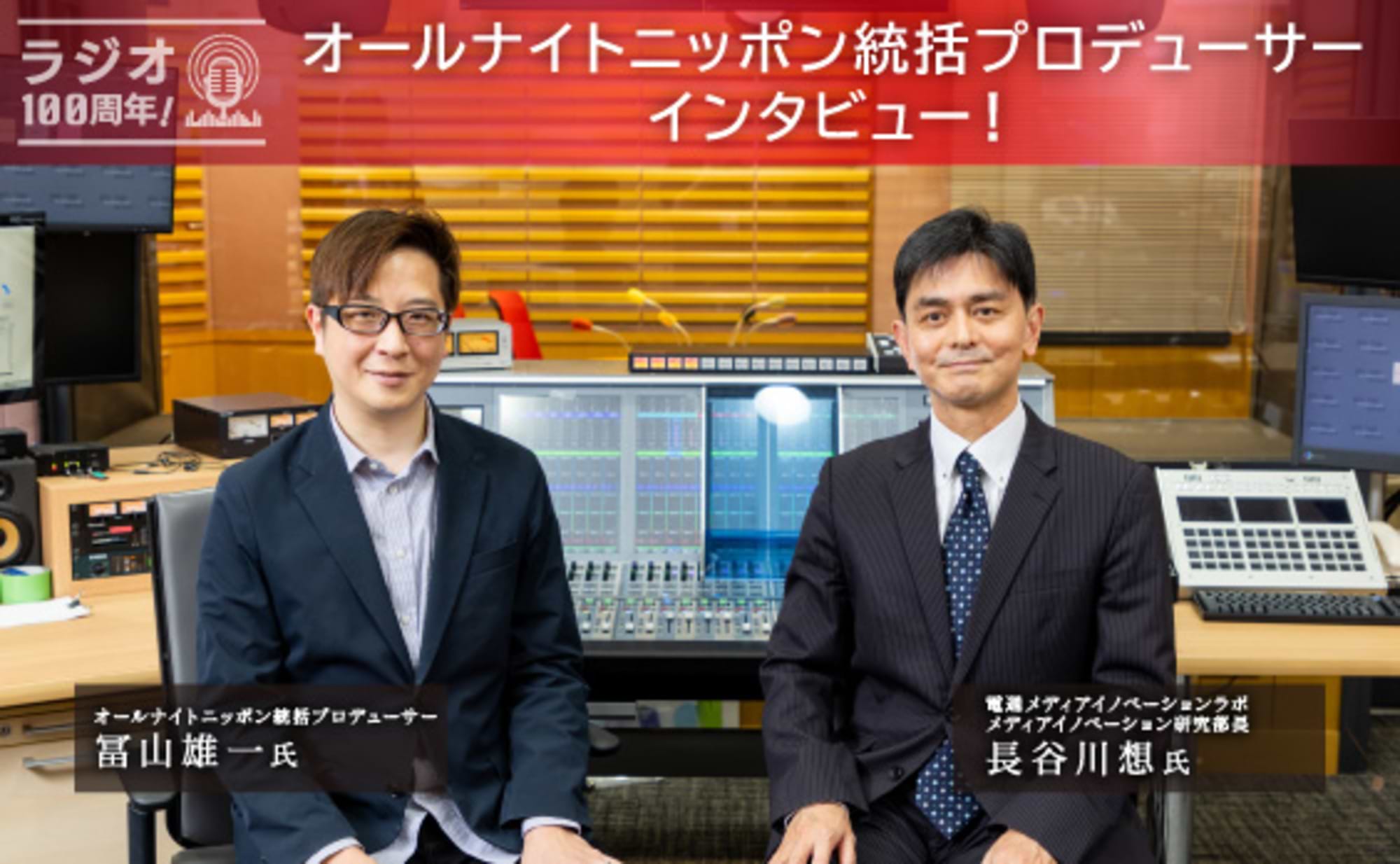
We also recommend the article featuring All Night Nippon's Executive Producer, Yuichi Tomiyama!
From Mass Media to "Community Media." Radio is at its peak right now.

Was this article helpful?
Share this article


Newsletter registration is here
We select and publish important news every day
For inquiries about this article
Author
Shuhei Yoshida
TBS Radio Co., Ltd.
Content Production Bureau Production Department
Mariko Morishita
Dentsu Inc.
Marketing Administration Center, Media Innovation Research Department (Dentsu Inc. Media Innovation Lab)
Insight MemoThe Reiwa "New" Era! Where is the Media Society Headed?How has media consumption changed in response to the COVID-19 pandemic?New Approaches Discovered Through Audience ResearchInformation Media White Paper 2022: Unraveling Media Consumption and Dissemination in the "With COVID-19" EraInformation Media White Paper 2023: What You Need to Know Now—The Past, Present, and Future of Media and SocietyInformation Media White Paper 2024: The Rapidly Changing Media Environment and Consumers100 years since its birth. Radio, today...Information Media White Paper 2025: New Horizons in Communication Shaping the FutureA Space for Collective ThoughtInformation Media White Paper Special Report 2026: “The Current State of Evolving Information Trends”

dentsu Media Innovation Lab
Dentsu Inc.
Insight MemoSpecial Discussion: "Japan's Advertising Expenditures"Explore the Amazing World of YouTube Creators with UUUMInformation Media White Paper 2024: The Rapidly Changing Media Environment and Consumers100 years since its birth. Radio, today...College Students and the Future of Media, Communication, and Advertising in Ten YearsInformation Media White Paper 2025: New Horizons in Communication Shaping the FutureInformation Media White Paper Special Report 2026: “The Current State of Evolving Information Trends”